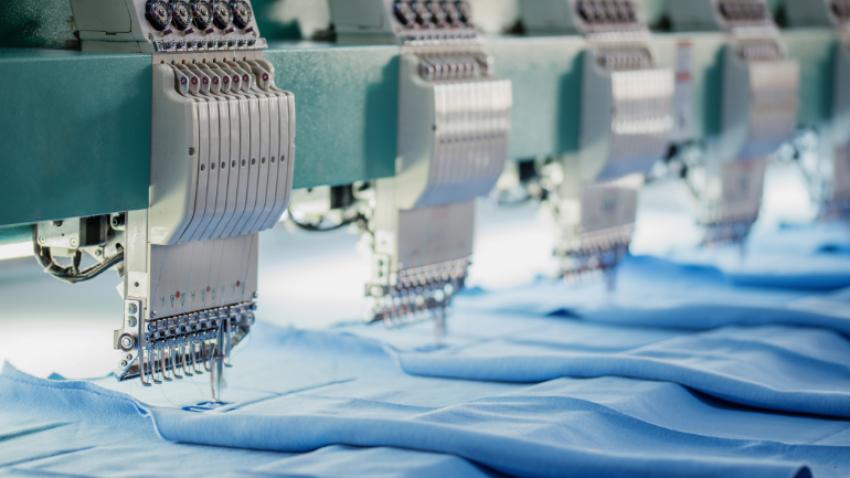
Introduction:
From Manual Threads to Intelligent Threads
The world of embroidery has always combined art and accuracy. However, as the age of digital changes, so does the way we craft and perfect embroidery. The advent of smart digitizing is revolutionizing the way that embroidery professionals manage their workflows, this makes embroidery flow smoother, faster, and more accurate than ever before.
What do you mean by “thread logic”? Think of it as the brainpower behind your stitches. When smart digitizing meets thoughtful thread planning, the result is a harmonious flow — where every stitch knows exactly where to go, and every second is optimized. Let’s dive into how this powerful combination is revolutionizing embroidery production.
Understanding Thread Logic in Embroidery
Thread logic is a term used to describe the sequence, path, and interplay of threads in an embroidery design. In traditional processes, the flow of design usually depended on manual inputs, which could result in mistakes like unnecessary trims, jumps, or thread breaks.
By using smart digitizing, these problems are reduced. Modern software assesses the design and plans the stitching route in the most logical, efficient manner — automating aspects like:
Stitching order
Thread direction
Pathing
Underlay stitching
Density control
Through incorporating intelligence in the digitizing process, machines can perform embroidery with greater efficiency, reducing interruptions and enhancing the quality of finish.
Why Smart Digitizing Matters More Than Ever
In an era of high-volume, custom-demand production, embroidery professionals must find ways to speed up workflows without sacrificing quality. Digitalization with smart technology brings a variety of positive benefits that are game-changing:
1. Improved Production Speed
If you optimize the thread’s paths, the embroidery machine spends less time on jumps, trims, and color changes. That means:
Fewer thread breaks
Faster completion of runs
Less machine downtime
2. Consistency Across Designs
Smart digitizing services makes sure that your brand’s requirements are always met. After the settings have been calibrated, your designs will be consistent:
Consistent stitch density
Balanced tension
Clean starts and stops
3. Error Reduction
Human errors like over- or under-stitching, misaligned sections, or overlooked trims are minimized when digitizing software handles the logic.
4. Thread and Material Efficiency
Proper digitizing avoids the need for unnecessary stitches, conserving thread and reducing fabric strain — key for delicate or specialty materials.
Core Elements of Smart Digitizing That Enhance Embroidery Flow
To better understand how smart digitizing can improve the flow of embroidery, it’s helpful to understand the key digitizing components that hold the most weight:
1. Pathing Optimization
The stitch sequence is defined by the path. Smart digitizing organizes this logically to:
Reduce backtracking
Minimize jump stitches
Create seamless transitions
2. Underlay Logic
Underlay stitches constitute the base of every design. Smart software selects the right type and direction — zig-zag, edge-run, or center-run — based on fabric and design complexity.
3. Stitch Type Selection
Different elements of a design will require different types of stitches: satin, fill, or run stitches. Digital tools that are smart analyze the design and auto-assign the most suitable option.
4. Density Management
Too much density can lead to puckering; too little causes gaps. Smart digitizing automatically adjusts the density of stitches depending on the artwork and the type of fabric.
5. Compensation Techniques
Pull compensation is crucial when dealing with stretchy or heavy fabrics. Smart digitizing allows for natural fabric behavior, and adjusts the lengths of stitch and shapes accordingly.
How Smart Digitizing Tools Work
Modern software for digitizing such as Wilcom, Hatch, Pulse, and Embird utilizes AI-driven algorithms that:
Interpret artwork precisely
Allow manual fine-tuning of auto-generated stitches
Simulate embroidery previews for real-time adjustment
Support batch digitization for consistent output
Certain platforms can even learn from previous designs, which allows for rapid and accurate digitizing each time a new project is launched.
Smart Digitizing in Action: Real-World Examples
1. Corporate Apparel
A firm orders 500 branded polos. Smart digitizing makes sure that the logo placement is identical on every shirt, and optimized thread paths reducing the number of stops on machine. The result: 30% faster production time and zero reworks.
2. Embroidered Patches
Patches that have fine detail and text benefit from the use of digitizing software that picks appropriate stitch types and preserves the clarity, even in small sizes.
3. Custom Orders
Smart digitizing reduces turnaround time for custom embroidery requests, whether it’s a one-off wedding monogram or a batch of team jerseys.
Tips For Optimizing Embroidery Flow with Smart Digitizing
Want to make the most out of thread logic and smart tools? Here are some tips to get started:
1. Invest in Good Software: Choose a professional-grade digitizing program with smart features and regular updates.
2. Know Your Fabrics: Even the best software needs input, match underlays and densities to your material.
3. Use Preview Simulations: Always test your digitized file virtually before stitching it out.
4. Standardize Settings: Save templates for commonly used designs to ensure consistency.
5. Continuous Learning: Keep up-to-date with the latest features and techniques by taking part in tutorials and forums.
Future of Embroidery: Smart, Predictive, and Seamless
Machine learning and AI continue to advance and improve, the future of embroidery digitizing looks incredibly promising. Imagine:
Predictive adjustments based upon machine behavior
Real-time correction during embroidery runs
Cloud-based digitizing collaboration across teams around the world
The objective? Embroidery that flows as naturally as drawing by hand, but with the speed and consistency of cutting-edge tech.
Conclusion: Stitching Smarter, Not Harder
“Thread logic” is not just an unpopular term, it’s the future for production of embroidery. With the help of smart digitizing, businesses can eliminate bottlenecks, reduce human error, and achieve a new level of precision and speed. When you are running massive operations or crafting custom pieces, adopting this technology will take your embroidery skills to professional levels.
So, next time you sit down to digitize, keep in mind: smart embroidery is not about stitching more, it’s about stitching smarter.