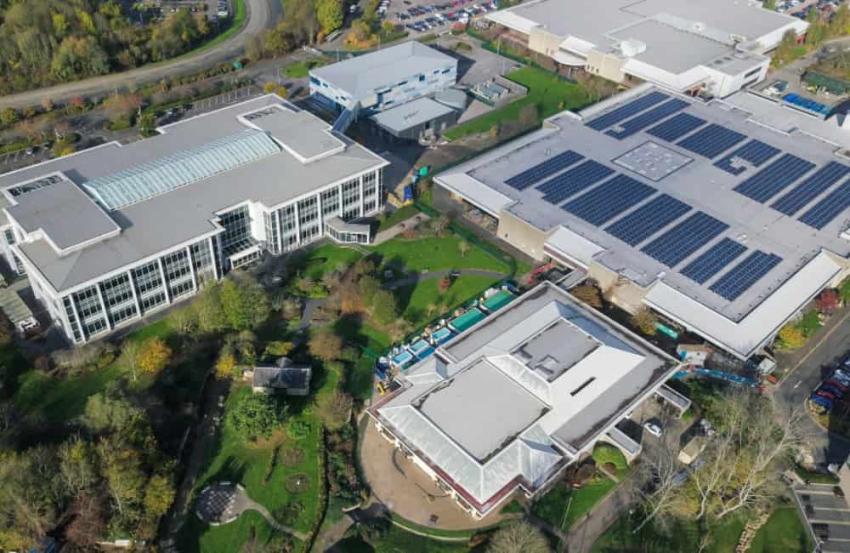
Large-scale solar (LSS) is generally known as a solar power plant capable of producing power starting from a few hundred kilowatts to a thousand megawatts.
LSS generally uses solar photovoltaic (PV) technology to generate electricity from fields of solar PV panels. The solar panels transform sunlight into direct current (DC) electricity, after which inverters convert this power into alternating current (AC) for integration into the electricity grid.
In the global fight against climate change, Large-scale solar projects are essential. By generating massive amounts of clean electricity, they reduce greenhouse gas emissions by replacing fossil fuels like coal and gas, and provide sustainable and renewable energy sources for growing populations and industries.
If you are planning for a solar installation, be it a small or large solar power farm, you can reach out to the companies who provide you with all the solutions with expertise. Many EPC companies in India can help you to start large-scale solar projects from scratch.
In this blog, we will examine the solar project development process.
1. Preliminary Assessments
The initial step when developing a large-scale solar project is to conduct preliminary assessments, a potential study, and identify the best location for the project.
Site Selection
It is the most important step in planning a large-scale solar project. It means choosing the best location to build the solar farm.
Installers look for a lot of sunlight throughout the year and open land that is easy to build on.
Nearby the electricity grid (to send power to homes and businesses).
Land that is not protected, flooded, or hard to reach.
It should not be in too close to harm ecosystems, protected heritage, or cultural sites.
Picking the right site makes sure the solar project will be efficient, affordable, and long-lasting.
A Practical Study
It is essential to see if a solar project can work well in a real place.
Financial Analysis: This checks if the solar project is affordable and if it will help save or make money over time.
Technical Analysis: It checks the feasibility of the site for construction, power setup, soil quality, and shape of the land.
Environmental Impact Assessment: It observes how the solar project might affect the environment around it, like local wildlife and plants.
Market Research: This study identifies how to sell the electricity produced by solar panels and earn good profits.
2. System Design and Engineering`
Once the preliminary steps have been done, system design and engineering can start.
Design and engineering is the phase where experts plan how the solar power system will be built and how it will work.
Component Selection
It means choosing the right parts to build the solar system, like solar panels, inverters (which change sunlight into usable electricity), mounts, and wires.
The goal is to pick parts that work well, last long, and fit the weather and land at the site. To build the solar power system, component selection is important to make more energy and work better for a long time.
Solar Panel Orientation and Tilt
Orientation means the way the solar panels face—usually south in the northern part of the world to get the most sun.
Tilt means the angle at which the panels are positioned. The tilt is adjusted based on the location to capture as much sunlight as possible throughout the year.
The Goal is to get the orientation and tilt right to help the solar panels produce maximum energy efficiently.
Electrical and Structural Design
Electrical design is about planning how the electricity will flow in the solar system. It includes connecting the solar panels, choosing the right cables and inverters, and making sure that the power safely reaches the grid.
Structural design includes designing strong mounting systems that can handle wind, rain, and other weather while keeping the panels stable and safe.
The Goal is to make sure the solar farm works well both technically and physically.
3. Development and Permitting
In this stage, all the required permissions and approvals are taken care of before building begins
Secure Land Agreements
It means finding out the legal steps to use the land for the solar project, usually by renting it or buying it from the owner.
These agreements make sure that the developer has the legal rights to access and use the land for the full life of the project—usually 20 to 30 years or more.
Clear land agreements in place are essential before moving forward with permitting and construction.
Obtain Permits
It includes getting official approvals from local, state, or national authorities that allow the solar project to move forward.
The permitting process helps to make sure that the solar project meets all regulations and is safe for both people and the environment.
Plan Timeless and Cost
This step aims to ensure that the solar project is on track and within budget.
It involves creating a clear schedule for each phase of the project, from permitting and construction to final testing and connection to the grid.
At the same time, the owner calculates the total cost of the project, including equipment, labor, land, and other expenses.
This plan helps avoid delays, manage resources efficiently, and attract investors by showing that the project is financially sound and organized.
Grid Connection and Interconnection Agreements
Once the solar project is complete, it has to connect with the main power grid so that the electricity can be distributed to homes and businesses. This process is referred to as a grid connection.
For this, the developer signs an agreement with the local power company.
This agreement shows how the solar plant will be safe and reliable to send the electricity to the grid.
It covers technical requirements, safety standards, and responsibilities for both the solar project and the utility.
4. Financing
Financing involves strategizing about securing the necessary funds to construct and operate the solar project. Since large solar farms demand a substantial investment, developers typically don’t cover all the costs independently. Rather, they collaborate with investors, banks, or government initiatives to obtain financial support
Power Purchase Agreements
It is usually a utility company, business, or government that agrees to buy the electricity generated by the solar farm.
It makes the project financially stable by having a committed buyer for the power it produces.
Bank Loan/Debt financing
A bank loan is when a solar developer borrows money from a bank or financial institution to help pay for the project.
A bank loan helps the developer begin the project without paying all the money at once. Instead, they repay the loan using the income the solar project earns—like from selling electricity through a Power Purchase Agreement (PPA).
5. Operation and Maintenance
When the construction is complete, regular work will be done to keep the solar power plant.
Monitoring system performance
It means watching the system in real time to check if everything is running as expected.
In this, we track how much electricity the panels are producing and find any drops in performance or equipment failures.
Getting alerts if something needs repair or attention.
Analyzing data to improve efficiency and prevent future issues.
Preventive Maintenance
Preventive maintenance is the regular check-up and care of the solar power system to prevent problems before they happen.
Technicians regularly check and take care of the equipment to keep it working well before something goes wrong.
In this, solar panel cleaning and checking, and tightening electrical connections are included. You should have to look at the inverters and other key components and look for signs of wear or damage
Conclusion:
We can fight climate change by replacing polluting fossil fuels with clean, renewable energy and installing large-scale solar projects. They also make the electricity grid more stable and reliable with more solar power in the overall grid system.
The key point to the long-term success of a solar project is Actual planning. It helps avoid mistakes, ensures the project runs smoothly, and the system works efficiently for many years. Solar power is leading the way toward a greener, healthier planet.