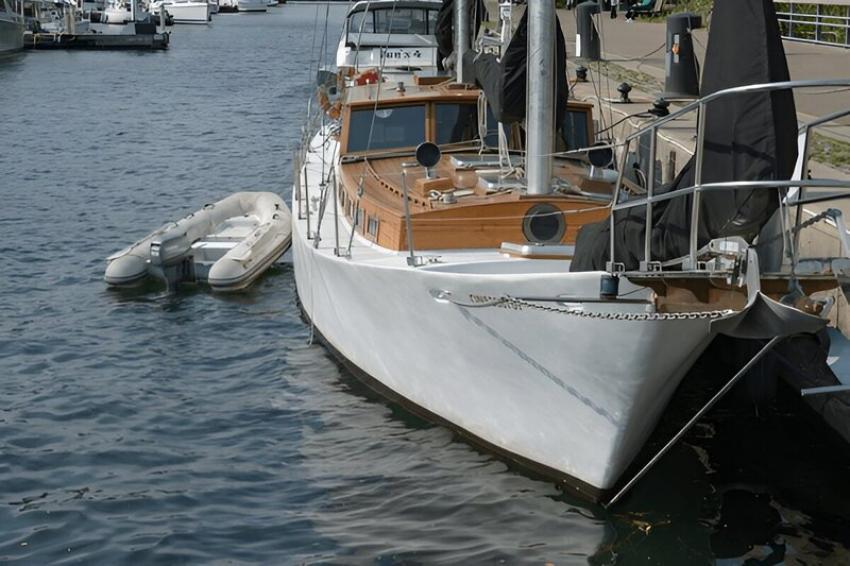
So, you want a sturdy and reliable aluminium boat with the toughness to surf Australia’s swells. Does anyone care to know how plate-alley designs stack against fibreglass ones? Perhaps you have heard of second-hand plate-alley boats, and you are wondering whether it is something you could consider. If your head was nodding to any of the above questions, then you have come to the right spot.
In this guide, we will reveal everything you should look at in terms of assessing alloy plate boats before you think of parting with your precious 'hard-earned' cash. You will learn how to examine the hull for corrosion, what features to pay attention to in popular models, and why the welding process is so critical. We shall go on to give the hints and tips for buying a used boat with good tactics for striking the very best deal—good information for anyone looking for ways to buy a used boat in Australia.
Right by the end of this post, you will be capable of identifying a good plate alloy boat anywhere from local boat dealerships to online listings of used plate boats. You will find out how to conduct inspections thoroughly, understand the different between alloy plate and pressed aluminium, and all the relevant documentation. Let's get down to business now and set the wheels in motion towards your goal of owning one of the best-welded aluminium boats money can buy.
Introduction to Alloy Plate Boats
Why Alloy Plate Boats Are Popular in Australia
These alloy plate boats have gained great acceptance by many of the Aussie boating enthusiasts due to their durability and versatility. They are built from thick aluminium sheets as compared to pressed designs, thus often giving them strength and better cushioning against rough seas. Australians love fishing and outdoor adventures; therefore, with such strong builds, plate aluminium boats already enhance their peace of mind.
There are several other reasons that add to their popularity. They do not need much in terms of upkeep; one good rinsing after a saltwater excursion suffices to wash away corrosive elements. To people who love exploring the less trafficked coastal nooks and crannies, no type of vessel requiring little upkeep, easily repairable, and standing up to rough handling will do. Customize your alloy plate boats now to ensure they meet your exact needs for durability and performance.
What Is a Plate Boat?
Essentially, a plate boat is built in extremely thick walls out of higher-grade aluminium plate. Unlike pressed designs, which have aluminium forms shaped by large presses, plate boats are manufactured from heavy sections that sit more level. This approach gives a heavier and more stable boat able to ride over punishment thrown by waves, rocks, and daily harassment.
Furthermore, being more durable, they have far fewer susceptible stress points, ensuring boat plate-age qualities compared with younger, thinner, pressed varieties. Aside from that, there are ample plate-style options that promise stability and longevity. In respect of the best aluminium boat below 6m, namely, plate-style boats provide charm for all on-water activities-from fishing to just cruising around.
Understanding Plate Alloy vs. Pressed Aluminium
Consider how you would finally use your boat when bringing plate alloy on board and pressed aluminium under the same auspices. Plate alloy, renowned for its strength, directly translates into better safety in severe conditions. It also allows the owner easier customization in interior-design terms because it is easy to modify and reinforce thick sheets.
Aluminium pressures are mainly seen as being lighter in weight compared with other forms of aluminium and the cheaper. While these characteristics may have their allure, they do also mean that the hull is more prone to denting and may not be the most efficient withstanding against extreme weather. If you want something to last for decades, perhaps a plate alloy boat would do well.
Key Considerations When Buying a Used Plate Boat
How to Buy a Used Boat: First Steps
The first step is to identify your budget and the types of boating activities you have in mind. Are you thinking about getting something small for fishing, or would you rather have a family cruiser? After these considerations, now choose your marketplace-whether a local dealership, an online listing, or a boat show. With this preliminary study, you will also have a good idea of the current market price for used plate boats in your size range.
Following" that, you would like to list possible models appealing to you. This could be worth noting for features like hull thickness, brand reputation, and modification. Shortlist so, you will stay organized as you start doing each inspection. Verify the seller's credibility always before you seal the deal to avoid relying on sketchy sources.
Tips for Buying a Used Boat: Essential Checks
Visual inspection is a critical activity in all tips for buying a used watercraft. Check welds, signs of corrosion, and those hard-to-reach interior compartments where moisture might pool-see if the hull has any bumps or dents, which might indicate damage from impact or poor repairs.
And don't forget to see the engine, propeller, and steering system, if they're part of it. If you're not confident about a mechanical aspect, bring in an external qualified marine mechanic to double-check it. After all, that dream boat can turn into a hefty headache with just a few engine failures from use.
Identifying Quality Welding in the Best Welded Aluminium Fishing Boat
That you're looking at between best welded aluminium fishing boats can easily be ascertained from the constant, evenly spaced welds. The seams should be smooth and have no slack or jagged parts at the ends of the gaps. Manufacturers invest greatly in skilled welders who know how to avoid cracking or losing tensile strength through their joining of the metal.
Well-welded joints would be required, particularly in areas with high stress, such as at the transoms and gunwales, showing consistency without indicating any overt indications of repairs. If everything is neat and solid, that most likely means you're probably dealing with a builder who respects craftsmanship. That reassurance can do wonders for your confidence that the hull can survive great conditions.
Checking the Hull, Transom, and Stringers
It's all about structural sturdiness. The hull should feel sound under a light tap without any hollow or rattling sounds. Plant special attention on corners where two metal sheets meet-poorly welded edges may be the first to fail in rough seas. The transom area is another hotspot where cracks are likely to develop mainly where the outboard motor is mounted.
Stringers-the support beams running along the length of the boat-are essential elements of stability. Sign of warping or damage in this reinforcement will raise a big red flag. A thorough examination of these sections will tend to show how well the boat has been taken care of as time went by.
Recognising Signs of Corrosion in Aluminium Fishing Boats
Aluminium does not rust like steel, but it often subjects itself to the possibility of galvanic corrosion when in salt water together with other metals. A few pit marks or chalky-white spots may indicate corrosion is setting in. If an advanced level of corrosion is present, then the maintenance technique suggests the boat has been washed improperly for quite some time.
In some cases, taking steps to sand down the primer or even painting the surface may temporarily halt the corrosion process, but most repairs end up being too expensive where serious damage occurs. If in doubt, it is always worthwhile getting a professional opinion. That boat, now approximately thirty years old and heavily corroded, might be construed as more of a headache in its repairs, for it would then cost more for repairs than its worth.
Performance and Comfort Evaluating
Ride Quality: In what ways do plate aluminium boats handle rough water?
Another great advantage of a hull plate aluminium boat is that it can catch wind. With a heavier hull, it cuts through water without slapping or pounding, which you may feel in lighter boats. This smoother ride is particularly appreciated by those who get out to the ocean or travel over rough estuaries.
You will find that this thicker material helps to muffle noise from waves, which is ideal for those who enjoy fishing as minimal noise helps keep the fish in proximity. Ultimately, a stable and quiet experience leads to less fatigue, allowing for a full day on water without feeling battered when arriving back ashore again.
Stability, Fuel Efficiency, and Comfort on the Water
Stability is one of the prime concerns when using an aluminium boat for fishing or pleasure. Plate boats are generally very reassuring when you walk around the deck or cast lines, thanks to their solid structure. But a stable platform is not just about safety; it also adds to the enjoyment of everyone on board.
Fuel efficiency may be a little low in heavier boats, so always think of strength versus running costs. However, the strength of such a hull means that if speed matters to you, a larger engine can be mounted. You would like to weigh how often you plan to head out to the water and how far you might be interested in going.
Comparing the Top Welded aluminium Boat Models for Fishing and Recreation
Dimensions provide a pretty good indication of their suitability as the best welded aluminium boat models for fishing and family fun. A deck layout and storage come into it- as does added built-in seating. Visitors will love giant gunwales and rod holders if they happen to enjoy fishing. But entertaining guests means having enough chairs or benches to fit everyone in.
High quality welded aluminium fishing boats manufacture has something like a no-slip floor, easy cleaning surfaces, and appropriately placed drains that keep the deck dry. Some models are specifically made for one type of user, either a quick solo trip out for a day in the sea or a relaxing cruise with the family. Find the right configuration that suits you, and you enjoy it better on the water.
Conclusion
Once you have entered the routine cleaning and maintenance phase, if you go for a session in the ocean, be sure to rinse off any salt residue with fresh water. Keep an eye on first signs of corrosion. Transoms, hulls, and weld seams must be regularly inspected for any premature wear that creeps in over time. Routine care can massively extend your boat's life.
Staying in touch with other boat users-clubs and online forums-is another precious resource for sharing anecdotes and tips on recommended gear. Here, you can even exchange tips about the best fishing destinations or places of interest. With a plate alloy boat that receives adequate care, you are sure to have a dependable partner performing well for years; carry this pride with you on the water. Have fun and safe boating!!