Have you ever felt your steering wheel shaking like it's got a mind of its own? If you've driven an off-road truck and felt it wobble or bounce at certain speeds, you're not imagining things. That shaky feeling usually means your tires are out of balance. But here's the kicker—off-road trucks need Paterson tire balancing services more often than regular sedans. Why? Well, think about it. Off-road trucks face rougher terrain, carry more weight, and take more of a beating than your everyday car. Sedans mostly glide over city roads like skaters on smooth ice. But trucks? They're climbing rocks, powering through mud, and hauling gear. Big difference, right?
In this blog, we will break it all down for you in an easy, friendly, and fun way. You'll learn why off-road trucks demand more tire balancing love and what could happen if you skip it. Buckle up—this ride's gonna be smooth by the time we're done!
Off-Road Life is Wild—You Need Paterson Tire Balancing Services
Off-road trucks aren't made for calm Sunday drives. These beasts are built to tackle uneven paths, rocky hills, and bumpy trails. Now, imagine your tires going through all that chaos. Every rock, bump, and pothole throws off their balance bit by bit. Unlike sedans that cruise on smooth highways, off-road trucks literally deal with terrain that shakes things up.
So, what happens next? Vibration kicks in. Your ride feels rough. And it's not just annoying—it's bad for your truck. The tires wear out faster, and so do parts like the suspension and steering. That's why balancing those tires becomes more than just maintenance—it's survival for your ride.
In short, the wild ride off-road trucks live through messes up their balance more often than sedans. And trust us, your truck will thank you for giving it some tire TLC more often.
"Off-road tires lose balance up to 2x faster than highway tires due to increased vibration and terrain impact."— According to Goodyear's off-road tire maintenance guide.
Heavier Loads, Bigger Wobbles
Have you ever lifted a heavy backpack on just one shoulder? You feel off. Off-road trucks feel the same when they carry uneven or heavy loads, which affects their tires.
Trucks often haul tools, gear, or even trailers. That extra weight puts more pressure on the tires. The tires don't spin evenly when the load isn't evenly distributed. Over time, this leads to imbalance. Sedans rarely face this issue because they're not designed to haul big loads.
The more weight you carry, the more wear your tires suffer. That's why off-road trucks often experience wobbly steering and bumpy rides if they skip regular tire balancing services.
A heavier load equals a higher chance your wheels will go off balance. So next time your truck feels shaky—blame the cargo and get those tires checked!
Bigger Tires, Bigger Problems
Off-road trucks don't wear regular shoes. They've got those giant, knobby, aggressive-looking tires that scream, "Let's get muddy!" But here's the catch—bigger tires are harder to balance.
Sedans have smaller, lighter tires that stay in shape longer. Off-road tires? Not so much. Their sheer size and weight make even the tiniest imbalance more noticeable. And because they take more abuse on rough terrain, they lose balance quicker.
Mechanic Jake O'Brien states, "Large off-road tires need more frequent balancing because even a small weight shift creates a major shake at higher speeds." That makes sense.
If you've got chunky tires on your truck and they're not riding smooth, don't ignore it. Balancing isn't just for comfort—it's for keeping your truck's performance in check.
Signs Your Truck's Begging for a Tire Balance
Don't wait for the tires to scream at you. There are signs your off-road truck needs balancing, and they're not shy.
The steering wheel shakes when you hit certain speeds
You feel a vibration in your seat or floor
Uneven tread wear on your tires
Weird humming or buzzing noises
Your truck pulls slightly to one side
If you spot any of these, it's time to inspect your tires. Ignoring them can mess up your suspension and alignment, too. A sedan might not show symptoms this fast, but your rugged truck will.
Think of it like a small fever before the flu—your vehicle's warning. Catch it early, and save big later!
Off-Roading Isn't Just Bumpy—It's Brutal on Wheels
Picture this: You're cruising through rocks, mud, and shallow rivers. Sounds like fun, right? It is—for you. But for your tires? It's a war zone.
Rough terrains constantly knock off tire weights. Dirt and mud stick to one side, making the tire heavier on that spot. That throws off the balance. And guess what? That doesn't happen to sedans that ride through asphalt.
Let's break it down real simple:
Rocky roads = more bouncing = faster imbalance
Dirt build-up = uneven weight = vibration
Knocked-off tire weights = instant imbalance
So yeah, off-roading is a blast, but your tires go through a lot more. That's why they need balancing way more often.
What Tire Balancing Does (And Why You Should Care)
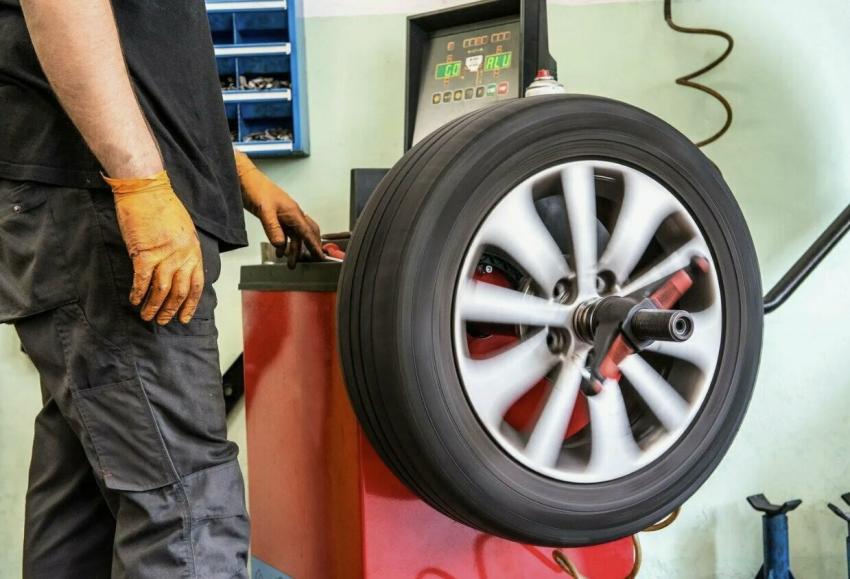
Here's the deal if you're wondering what happens during a tire balancing session. Mechanics spin each tire on a special machine to see where the heavy spots are. Then, they add small weights to even things out. That's it.
Sounds simple, right? But it makes a huge difference. Balanced tires = smoother rides, longer tire life, better gas mileage, and safer driving.
Off-road trucks lose that balance quickly due to terrain, weight, and big tires. Sedans? Not so much. They glide more than they grind.
Here's why it matters:
Prevents annoying vibrations
Protects your suspension and axles
Helps tires last longer
Saves money on early replacements
So yes, Paterson tire balancing services might sound boring, but they're like stretching before a run—skip it, and you'll regret it later.
Experts Say: Balance is Everything for Trucks
Don't just take our word for it. Tire specialist Rachel Morgan puts it like this: "Unbalanced tires on an off-road truck can lead to rapid wear, poor fuel efficiency, and even damage to the drivetrain if left untreated."
That's serious stuff. Think of your tires like shoes. If one shoe has a rock in it, you'll walk funny—and your whole body will feel it later. The same goes for your truck. Unbalanced tires mess with the entire vehicle.
Off-road trucks work harder and carry more stress than sedans. So, listening to the experts and checking your balance regularly is just smart truck care.
"Unbalanced tires can reduce fuel efficiency by up to 10% in trucks."— As stated in a Bridgestone technical brief on tire performance and maintenance.
Skipping Balancing? Here's What You're Risking
Let's be real for a second—some folks skip Paterson tire balancing services because they don't immediately feel a problem. But that's like skipping dental checkups because your teeth don't hurt yet. The damage builds up slowly.
Here's what you could risk:
Faster tire wear (hello, expensive replacements)
Poor traction and control
Extra stress on shocks and struts
Wasted fuel
Rough, noisy rides
Sedans may slide by a bit longer without balancing, but your truck? Not so lucky. The wear and tear add up fast when you're off-roading or carrying loads. Balance is your tire's best friend—don't ghost it.
So... When was the Last Time You Got a Balance Check?
Professional Paterson tire balancing services aren't something you do once and forget. Off-road trucks need them more often—think every 5,000 to 6,000 miles or sooner if you're constantly off-road. The terrain you drive and how much you load your truck matter, too.
Compared to sedans, trucks go through more chaos. Rough ground, heavyweight, big tires—a recipe for fast imbalance. Sedans? They're living the cushy life on flat roads and light frames. No wonder their tires stay chill longer.
So here's your friendly reminder: listen to your truck. If it's shaking, wobbling, or wearing down unevenly, it's screaming for a balance check. Could you not make it suffer?
How often do you balance your tires—and have you noticed the difference it makes?