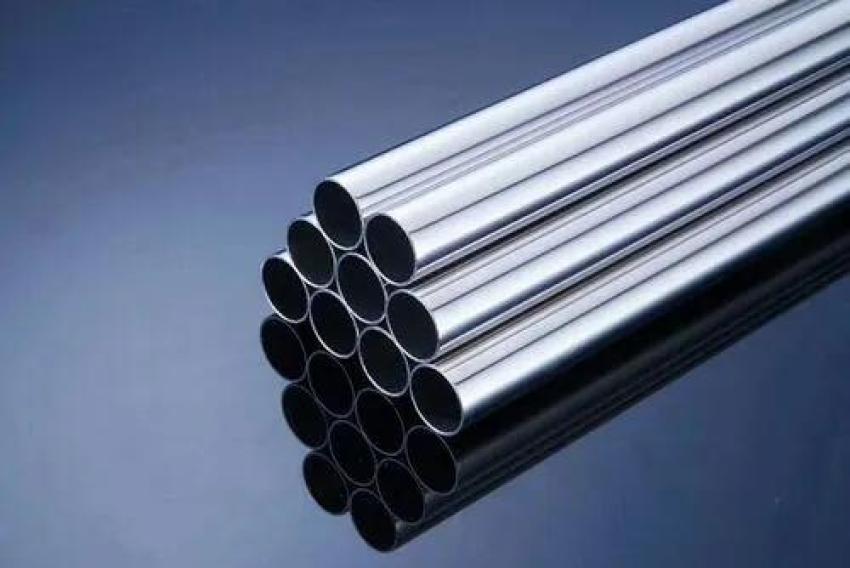
Anti-corrosion maintenance of carbon steel pipes (CS pipe) is a comprehensive process that needs to be considered and implemented from multiple aspects. The following are some key anti-corrosion maintenance measures:
1. Environmental management
Control the use environment: Try to avoid carbon steel pipes being in corrosive environments such as high humidity, salt spray, acid and alkali for a long time. For example, in corrosive environments such as the seaside and near chemical plants, special attention should be paid to strengthening protection.
Keep dry and ventilated: In places where water is easily accumulated or humid, ventilation and drainage should be strengthened to reduce the possibility of corrosion.
2. Surface protection
Regular cleaning: Regularly remove dust, oil and other impurities on the surface of carbon steel pipes to reduce the inducement of corrosion. You can use a mild detergent and a soft cloth to wipe it, and avoid using highly corrosive detergents or hard objects such as steel wool to avoid scratching the surface.
Coating protection: Applying protective materials such as paint coatings and anti-rust oils to the surface of carbon steel pipes can effectively isolate corrosive media and extend service life. When selecting a coating, make sure it is compatible with stainless steel and has good adhesion and durability.
3. Precautions for installation and use
Ensure proper installation: When installing carbon steel pipes, ensure that the joints are firm and reliable to avoid corrosion caused by looseness or vibration during use.
Avoid scratches and collisions: During transportation, installation and use, be careful to avoid scratches, collisions or wear on the surface of carbon steel pipes, which may accelerate the corrosion process.
Medium compatibility: Confirm that the carbon steel pipe is compatible with the medium being transported, and avoid using media that may corrode stainless steel.
4. Regular inspection and maintenance
Appearance inspection: Regularly check the appearance of the carbon steel pipe to see if there are problems such as surface corrosion, deformation, and cracks. If there are any problems, they should be repaired or replaced in time.
Connection inspection: For the connection parts, check the sealing performance regularly. If there is looseness or leakage, tighten or replace the seals in time.
Deep cleaning and maintenance: For dirt that is difficult to remove, you can use a professional cleaning agent for deep cleaning. At the same time, you can use a special carbon steel care agent to wipe it to maintain its gloss and performance.
Only by proper maintenance can the long-term stable operation of carbon steel pipes be ensured and their maximum economic benefits be achieved.