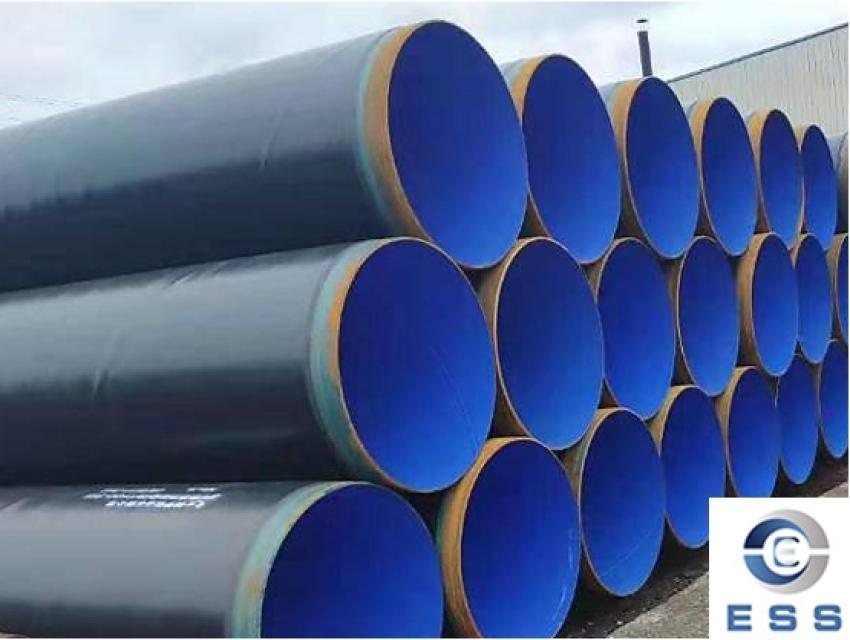
Carbon steel pipe is a usually composed of material such as carbon and iron, so it has a certain degree of magnetism. However, in practical applications, it is sometimes necessary to eliminate the magnetism of carbon steel pipes to avoid affecting equipment or processes. So, how to remove the magnetism of carbon steel pipes? The following are some methods for reference.
Demagnetization treatment methods
1. Current demagnetization method
Electrify the carbon steel pipe to generate a weak current to demagnetize it. The power-on time generally lasts for several minutes to more than an hour, depending on the size of the pipe and the degree of magnetization.
2. Alternating demagnetization method
Put the carbon steel pipe in an alternating magnetic field for demagnetization. Pay attention to the frequency and intensity of the magnetic field. Generally speaking, the frequency is about 50Hz and the magnetic field intensity is below 2000A/m.
3. Thermal demagnetization method
Heat the carbon steel pipe to a certain temperature, then cool it down at a certain speed, and demagnetize it through the process of thermal expansion and contraction. This method is suitable for use when there is no requirement for the surface hardness of the pipe.
Notes
1. Choose a safe environment
Demagnetization should be carried out in a safe environment, especially the current demagnetization method needs to pay attention to safety.
2. Take safety measures
During the demagnetization process, attention should be paid to fire prevention, explosion prevention and other safety measures, especially when using thermal demagnetization, attention should be paid to the temperature of the pipeline to avoid overheating and causing deformation or cracks in the pipeline.
3. Choose a suitable method
Different demagnetization methods are suitable for different pipeline specifications and magnetization degrees. It is necessary to choose a suitable method for treatment according to the specific situation.
4. Timely surface treatment
After demagnetization, the surface of the pipeline may have problems such as oxidation and corrosion, and timely surface treatment and protection are required.
Summary
During the processing and use of carbon steel pipes, demagnetization can improve the stability of the pipeline and avoid problems such as equipment interference, metal adsorption, and measurement errors caused by magnetization. The magnetism of the pipeline can be effectively eliminated through methods such as current demagnetization, alternating demagnetization, and thermal demagnetization, making it more suitable for precision instruments, oil and gas, chemicals, boiler heat exchange, and other fields.
In addition, after demagnetization, surface protection measures such as spraying anti-corrosion coatings, mechanical polishing, and painting are required to ensure that the pipeline has good corrosion resistance, wear resistance, and long-term stability.