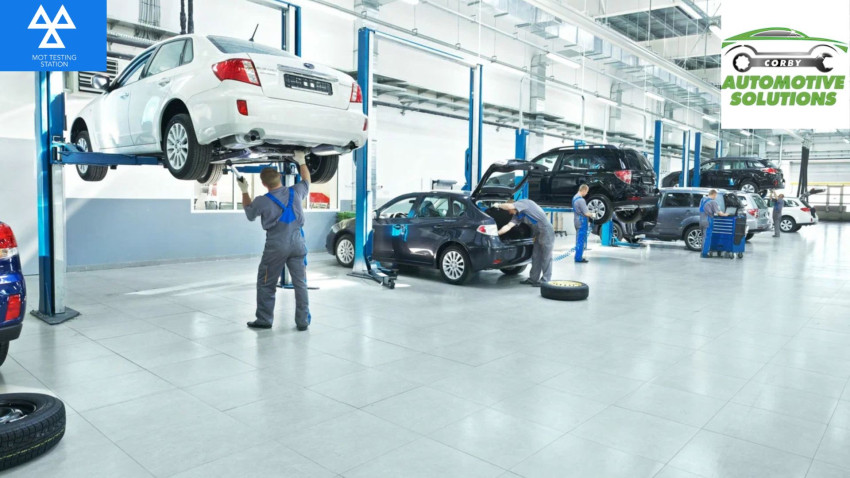
Once you own the vehicle in the UK, it becomes important to maintain the vehicle with utmost responsibility. It is crucial because of the safety of you and your driver while driving on the road. Moreover, taking care of the environment is also essential, as this can only be looked over when you bring the vehicle for MOT at the scheduled time. A particular process is followed to see if the vehicle can drive safely and legally. To understand in depth the test and what is included, then keep reading this blog post.
Introduction to MOT Test
One of the most comprehensive tests which is quite mandatory in the UK. It is known as MOT, which stands for Ministry of Transportation. The primary purpose of this test is to check the vehicle's condition to see whether it can meet road safety and environmental standards. If the car fulfils these criteria, then it means that the car can be driven on the road. There are some of the guidelines which are followed during the inspection of the vehicle. The test is thoroughly carried out in the authorized garage where the professionals look over the car.
Any vehicle you own must undergo this mandatory test to see the condition of the vehicle so that you will pass the test with seriousness. For each different type of vehicle, the test is categorized into classes. A few of the classes are class 1, class 2, class 3, class 4, class 5, class 6, class 6A and class 7. So, it simply means that it is mandatory to take the vehicle for an MOT test.
MOT Test Process
A specific procedure is followed while performing the test, so let’s explore a step-by-step process.
Step 1: The first and foremost process of the MOT Corby test is to book an appointment from the DVSA-certified garage. Once you know that your vehicle is reaching the time of expiring MOT certificate. Therefore, it is recommended to book the test before one month of your expiring current MOT certification. Doing this will help your vehicle stay out of risk, as this ensure the vehicle to be driven legally and safely. In this way, you will get rid of potential penalties for driving without this specific test.
Step 2: Once the booking of the vehicle is done, then further, it’s time to bring it to the testing centre for the process. Before bringing in the vehicle for examination, it is important to check that the vehicle is clean and smooth running of the vehicle.
Step 3: After the arrival of the vehicle, the document is required at the centre. The necessary documentation includes a vehicle registration document and the current MOT certificate. However, without these two documents, the inspection can’t be performed.
Step 4: After all the necessary documentation is completed, the key is handed over to the technicians, who will be presented at the testing centre. This professional will further take the vehicle to the testing bay.
Step 5: Afterwards, in this step, the vehicle is inspected visually. The visual inspection is performed by the technicians, where they look at the vehicle parts. It includes lights, tyres, mirrors, bodywork and many more. Also, they look at any damage signs within the vehicle, any wear and tear condition and lastly, whether safety regulation is compromised or not.
Step 6: And then, the professional technician will check the inner functioning of the parts. A few interior parts were checked, such as the engine, suspension, braking system and more. The primary purpose is to ensure that all the vehicle components are capable of meeting the particular regulations along that they are in great working condition.
Step 7: One of the most essential parts of the vehicle inspection is the emission test. The technicians look at the vehicle’s emissions as they are capable of meeting the environmental standards. If this system is creating excessive pollutants, then it results in failing the test, and you won’t be able to drive on the road.
Step 8: The braking system is thoroughly checked, as it is one such component which maintains the safety of the vehicle. In addition, technicians examine the efficiency and condition of the brakes, as they are adequate to perform effectively on the road.
Step 9: Apart from all this, they check the suspension and steering, as they are properly functioning to drive safely and remain stable to offer a stable driving experience. In this step, they check the components, such as any sign of damage, imbalance, non-aligned wheels and many more.
Step 10: Once the entire vehicle is checked, the technicians issue a final word about the condition of the vehicle. If in case any of the issues are seen during the inspection, then the technicians will explain to the driver what cause damage to the parts and give suggestions about repairs and replacement.
Step 11: The last process is receiving of MOT test. Only the vehicles with are in great working condition and meet certain parameters of safety on road and environment standards will receive a pass MOT certificate. However, if the vehicle does not meet the guidelines set by the government, then you will be issued a failed MOT certificate.