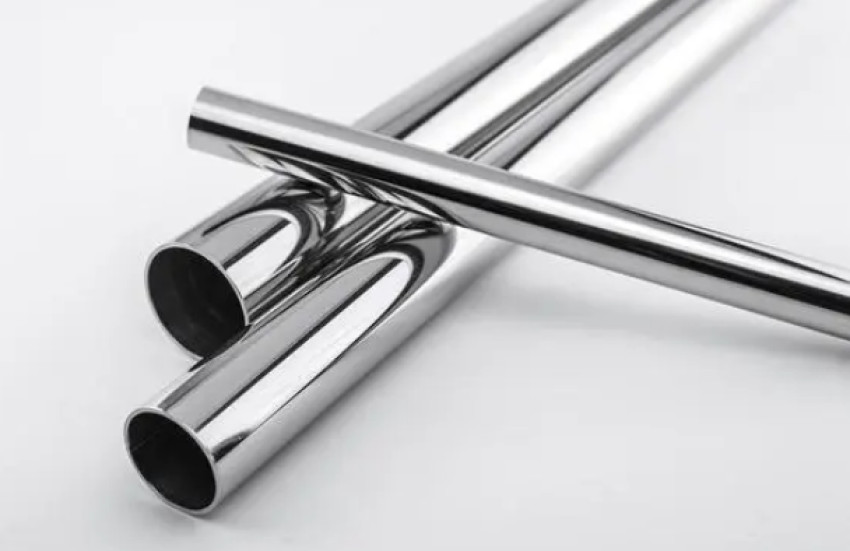
As a pipeline material widely used in petrochemical, pharmaceutical, food processing and other fields, the quality of seamless stainless steel pipes is crucial to ensuring production safety and product quality. Therefore, during the inspection of seamless stainless steel pipes, it is necessary to focus on possible defects.
1. Appearance defects
Appearance defects are one of the common defects of seamless stainless steel pipes, mainly including surface cracks, rust, scratches, etc. The occurrence of these defects is often related to factors such as production process, raw material quality and friction during transportation. To solve this problem, manufacturers should improve the production process level, ensure the quality of raw materials, and take protective measures during transportation to avoid damage to the pipeline surface.
2. Dimensional deviation
Dimensional deviation refers to the deviation between the actual size of seamless stainless steel pipes and standard requirements. This deviation may lead to problems such as loose pipe connection and leakage. The causes of dimensional deviation may include unstable production process and insufficient equipment accuracy. To solve this problem, manufacturers should improve equipment accuracy, strengthen quality control in the production process, and ensure that product dimensions meet standard requirements.
3. Material problem
Material problem is one of the issues that need to be focused on in the inspection of seamless stainless steel pipes. Common material problems include materials that do not meet standard requirements and too many inclusions. These problems may cause corrosion, rupture and other problems in the process of using the pipe. To solve the material problem, manufacturers should select high-quality raw materials, strengthen raw material inspection, and improve the production process level to reduce the generation of inclusions.
In addition to the above three common defects, other problems may be found during the inspection of stainless steel seamless pipes, such as uneven wall thickness and excessive ovality. These problems also need to attract the attention of manufacturers and users, and take corresponding measures to solve them in time.
Application advantages of seamless stainless steel pipes:
1. Strong corrosion resistance: Stainless steel materials themselves have good corrosion resistance, and the manufacturing process of seamless steel pipes further enhances their corrosion resistance. Seamless stainless steel pipes can withstand various harsh environments, such as corrosive media such as acids, alkalis, and salts, effectively extending their service life.
2. High strength and high toughness: Seamless stainless steel pipes have high strength and toughness, can withstand greater pressure and impact, and are not prone to bending, deformation or breakage. This excellent mechanical property makes seamless stainless steel pipes widely used in construction, chemical, petroleum and other fields.
3. Beautiful and durable: The surface of seamless stainless steel pipes is smooth, not easy to accumulate dirt, easy to clean, and can still maintain its beauty after long-term use. In addition, seamless stainless steel pipes have strong anti-aging properties, are not easily affected by ultraviolet rays, oxidation and other factors, and maintain their excellent performance for a long time.
4. Safe and reliable: Seamless stainless steel pipes undergo strict testing and control during the production process to ensure that their quality is stable and reliable. At the same time, seamless stainless steel pipes have excellent sealing properties, which can ensure the safety and reliability of fluid transportation.
5. Environmental protection and energy saving: Stainless steel materials can be recycled and reused, meeting environmental protection requirements. In addition, the production process of seamless stainless steel pipes has low energy consumption and little impact on the environment, and has the advantages of energy saving and environmental protection.
In short, there are many possible defects that need to be paid attention to during the inspection of seamless stainless steel pipes. Manufacturers should improve the production process level, strengthen quality control and raw material inspection to ensure that product quality meets standard requirements. Users should also conduct regular inspections and maintenance during use to ensure the safe and reliable operation of the pipeline.