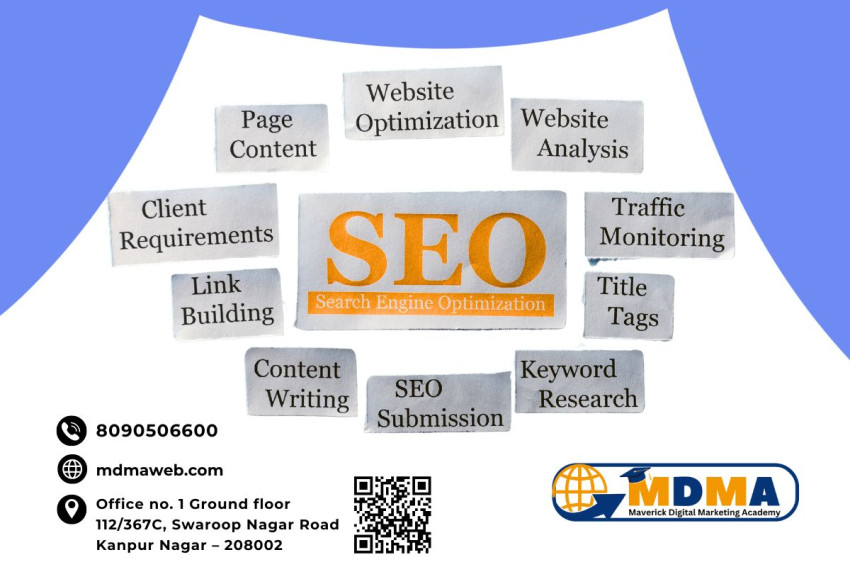
In the competitive world of digital marketing, having a website isn’t enough to gain visibility. On-page SEO is your best friend to stand out and rank on search engines like Google.
With so many responsibilities including potential customer care, sales, distribution, system replenishment, and above all, the need to attract potential clients’ attention, you, as a company director, should appreciate the importance of on-page optimization.
In this article, we won’t take into consideration all the other elements that you need to optimize your pages for the search engines as well. Let’s get down to business!
What is On-Page SEO?
An on-page search engine optimization or on-page SEO, is the practice of optimizing individual web pages to rank high and earn more relevant traffic from search engines. Unlike Off-Page SEO, which focuses on external backlinks and promotions, On-Page SEO deals with content and HTML source code directly within your website.
By fine-tuning elements like keywords, titles, headings, and images, you help search engines understand your content better. In turn, this boosts your chances of appearing on the first page of search results.
Why is On-Page SEO Important?
If these elements are put in place, On-Page SEO turns out to be the ultimate solution for your website. Here are key reasons why it’s crucial:
1. Improves Search Engine Rankings
The main reason businesses and bloggers focus on On-Page SEO is to rank higher on search engines. When it comes to search queries, Google and other search engines utilize sophisticated algorithms to determine what pages are to be presented – for what keywords. Adjusting page titles, headings, meta tags, and the content itself helps to achieve the goals of the optimization by explaining the relevance of the page.
For instance, if your target keyword is "best digital marketing tips," incorporating this keyword strategically in your title tags, headings (H1, H2), and throughout the body helps Google understand the page's focus.
2. Enhances User Experience (UX)
Good On-Page SEO isn’t just about pleasing search engines; it also ensures your website provides an excellent user experience. It is easier to detect changes in content when the page or the entire site improves in readability, structure, or loading speed.
Key factors like clean formatting, relevant headings, internal links, and optimized images make navigation easy and seamless. Search engines give precedence to those pages that can engage the users, lower the bounce rate, and are of help.
3. Drives Organic Traffic
Organic search traffic is one of the most valuable forms of traffic because it doesn’t rely on paid ads. Through careful keyword selection and crafting of your content, you can get visitors looking for answers within your sphere of influence.
For example, a blog post optimized for "on-page SEO tips" will attract users interested in learning how to improve their website’s SEO. This kind of traffic increases the chance for conversions and sales.
4. Helps Search Engines Understand Your Content
Search engines have advanced algorithms, but they still need external cues to comprehend and categorize your material. Proper On-Page SEO makes sure that search engines comprehend the topic of your essay, providing relevant search queries.
Enhancing the aforementioned metrics such as meta descriptions, alt texts of images, and URL trees, would provide the search engines with the context for proper indexing of your pages.
Key Elements of On-Page SEO
Now that you know why On-Page SEO is important, let’s discuss the essential elements you should focus on:
1. Title Tags and Meta Descriptions
- The title tag is one of the most important elements for On-Page SEO. It indicates to both the engines and the users as to what the page is about.
- Meta descriptions: A good summary of what you are talking about is found in the keyword meta descriptions and this improves CTR.
Example:
- Title Tag: "10 Best On-Page SEO Techniques for 2024".
- Meta Description: "Discover the top On-Page SEO techniques to boost your search engine rankings and attract more organic traffic in 2024."
2. High-Quality, Optimized Content
Content is king, and high-quality content is at the heart of On-Page SEO. Do your best to construct content that is useful, fun, and revolves around the specific keywords about the target audience.
- Use primary keywords naturally.
- Take advantage of terms that relate to the primary keywords as well as phrases that are synonyms to the primary keywords to expand your target area on the subject.
- Avoid keyword stuffing, as it can harm your rankings.
3. Header Tags (H1, H2, H3, etc.)
Header tags structure your content, making it easier to read for both users and search engines. Use the H1 tag for your main title, and H2/H3 tags for subheadings to break up content.
4. Optimized Images with Alt Text
Images enhance the user experience, but they need to be optimized for SEO. Use descriptive alt text for accurate understanding, and optimize images to make loading faster.
5. Internal Linking
Linking to other relevant pages on your website helps improve navigation, spreads link equity, and keeps users on your site longer.
6. SEO-Friendly URLs
Create clean, concise, and keyword-rich URLs. For example:
- Bad: www.example.com/p12345
- Good: www.example.com/on-page-seo-tips
Benefits of Investing in On-Page SEO
By now, it’s clear that On-Page SEO is essential for your website’s success. Here are some additional benefits:
- Higher Conversion Rates: Optimized content attracts targeted traffic, increasing the likelihood of conversions.
- Better Mobile Optimization: On-Page SEO ensures your website is mobile-friendly, which is critical in today’s mobile-first world.
- Competitive Edge: Websites with strong on-page optimization outrank competitors that overlook these practices.
Final Thoughts: Make On-Page SEO a Priority
In a world where competition for online visibility is fierce, On-Page SEO is non-negotiable. Enhancing your content, title tags, images, or even URLs increases your website’s position on the search engines making it easier for users and directing valuable organic traffic to your site.
Start with small, actionable steps like refining your headings, adding internal links, and focusing on keyword placement. In the long run, these efforts will bring positive results allowing you to create an optimized site valued by search engine crawlers and the users.
Invest in On-Page SEO today and watch your website climb the search engine ladder!