The pillar of industry: the irreplaceability of seamless steel pipes
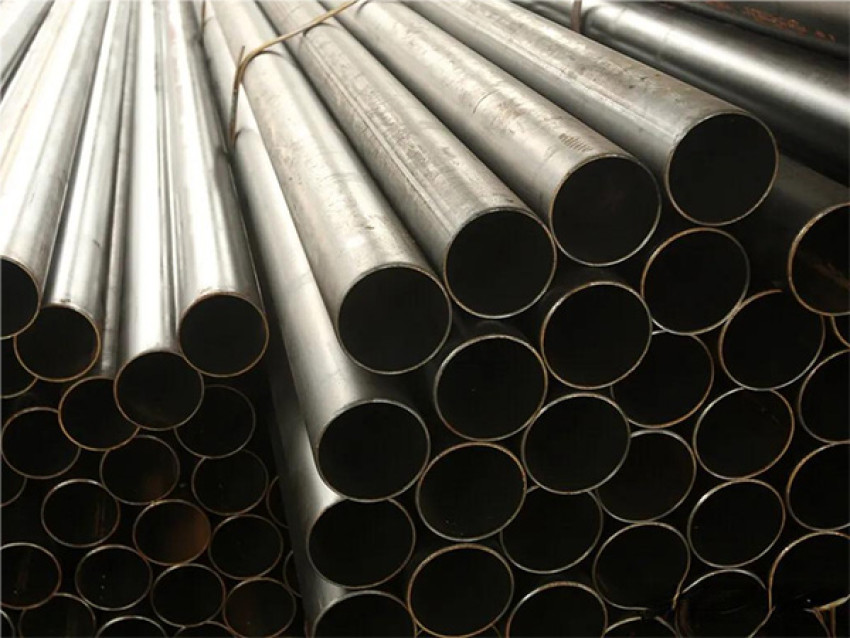
With its unparalleled mechanical properties and diverse application scenarios, seamless steel pipes have become the cornerstone of modern industrial development. Its wide application in oil and gas, power generation, automobile manufacturing, building infrastructure and chemical industry has consolidated its important position in industrial materials. The following will be a comprehensive analysis of the importance of seamless steel pipes from the main industries driving demand, their core strength sources, cost determinants, the key role of hydraulic systems, and future trends.
Five industries that drive demand for seamless steel pipes
1. Oil and gas industry
Seamless steel pipes meet the demanding needs of the oil and gas industry with their superior strength and corrosion resistance. In the process of transporting oil and gas over long distances, seamless steel pipes can withstand complex conditions such as drilling, high pressure and extreme temperature differences, and are a core component to ensure the safety and efficiency of energy delivery.
2. Power generation industry
The steam conveying pipe and high pressure turbine pipe used in power plants (especially nuclear and thermal power plants) require very high pressure and high temperature resistance of the pipe. Seamless steel pipes show excellent reliability in such applications and are an indispensable base material for the power industry.
3. Automobile manufacturing
Because of its high precision and excellent mechanical properties, seamless steel pipe is widely used in automobile manufacturing axle, drive shaft and suspension system. These critical components directly determine the safety and durability of the vehicle, so the material requirements are extremely stringent.
4. Construction and infrastructure
In modern construction projects, seamless steel pipes, with their uniform wall thickness and high strength, are suitable for use as frame supports, columns and other structural components, which can meet the needs of high load and earthquake resistance, and are ideal materials for large-scale construction projects.
5. Chemical and petrochemical industries
Chemical plants use seamless steel pipes to transport highly corrosive liquids and gases, especially in high temperature and high pressure environments, showing extraordinary durability. Its excellent leak and corrosion resistance ensures long-term stable operation of the system under harsh conditions.
Natural strength source of seamless steel pipe
1. Advanced manufacturing technology
The seamless steel pipe is manufactured by perforating the solid billet, and there is no weld, avoiding the weaknesses caused by welding (such as cracks or stress concentration), and significantly improving its compression and fatigue resistance.
2. Application of high-quality materials
The choice of material directly determines the performance of seamless steel pipe. High quality carbon steel, alloy steel and stainless steel because of its wear resistance, high temperature resistance and corrosion resistance, seamless steel pipes are suitable for a variety of complex working conditions.
3. Uniformity of wall thickness
The consistency of the wall thickness of seamless steel pipes gives them a very low risk of failure in high-stress environments. This feature is particularly suitable for high-pressure or high-load applications such as hydraulic systems and high-temperature steam delivery lines.
Seamless steel pipe key cost factors
1. Material composition
The use of high-strength alloy steel and corrosion-resistant stainless steel increases the cost of seamless steel pipes, but also significantly improves their performance and service life.
2. Manufacturing process
The cost of hot-rolled seamless steel pipe is relatively low, suitable for conventional use; The cold drawing process is favored in high-end applications due to its higher dimensional accuracy and finish.
3. Customization options
Custom specifications and special processing, such as surface anticorrosion treatment or ultrasonic inspection, can significantly affect costs. Businesses need to balance cost and performance based on specific needs.
The role of seamless steel pipe in hydraulic system
1. High pressure resistance
Hydraulic systems operate at extremely high pressures, and seamless steel tubes, thanks to their strength and structural integrity, demonstrate superior safety under these conditions.
2. Precision manufacturing
The high manufacturing accuracy of seamless steel tubes ensures efficient fluid delivery and reduces the risk of corrosion or clogging of the system.
3. Adapt to dynamic and static applications
Seamless steel tubes can adapt to pressure fluctuations in hydraulic systems and perform well in both static and dynamic applications.
Future Outlook: Innovation and Emerging Trends
1. Application of new materials
The development of high-performance materials such as duplex stainless steel and titanium alloy will further enhance the strength and corrosion resistance of seamless steel pipes.
2. Intelligent manufacturing
Through the introduction of digitalization and iot technologies, the production efficiency and quality control of seamless steel pipes will be improved, such as real-time monitoring of process parameters and predictive maintenance.
3. Sustainable development
Green manufacturing methods using energy efficient processes and recycled materials not only reduce carbon emissions, but also enhance the environmental friendliness of the industry.
Conclusion
With its excellent mechanical properties, diverse application areas and high customizability, seamless steel pipes have become an indispensable basic material for modern industry. In the future, seamless steel pipes will continue to lead the development of the industry through technological innovation and material upgrades, helping the global industry to move towards a more efficient and sustainable future.