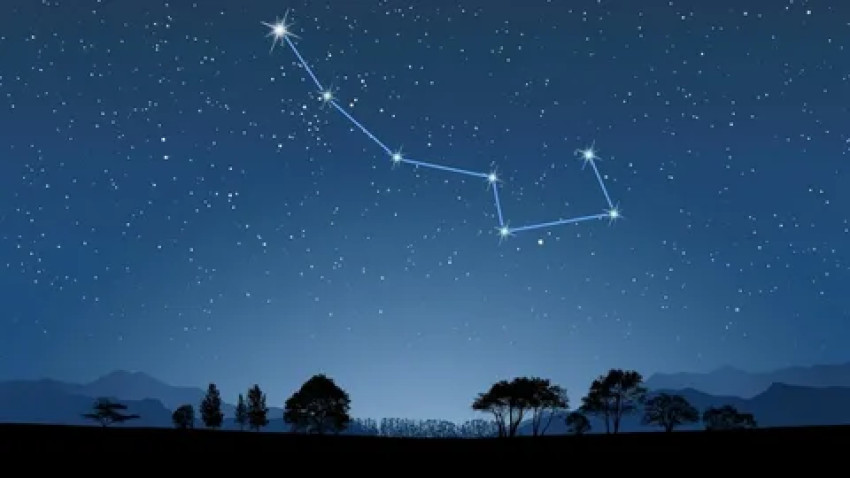
Seeing up at the night sky has a certain magic to it. The peace of the moment, the grandeur of space, and the sparkling stars provide a peaceful diversion from the stress of daily existence. To enjoy stargazing, you need not have astronomy training or costly supplies. You can appreciate the beauty of the universe and have wonderful nights out beneath the stars by recognizing a few simple star patterns.
Explore easy star constellations and begin your stargazing journey with simple, recognizable patterns in the night sky.
Why Star gazing Is a Perfect Interest
A simple, simple pastime that helps you get in touch with nature is gazing. The night sky is always open for research, whether you're in the backyard or in the middle of nothing. This is the reason it's such a wonderful knowledge:
Stress Help: Stress and worry can be reduced by the serenity of the stars at night.
Learning Fun: With family or friends, it's an excellent chance to learn about the cosmos and the sky.
Cost-Free Risk: All you need to go stargazing is an interest and an empty sky.
Get Started: Tools and Setup
A little preparation goes a long way in maximizing your stargazing experience. What you'll need to begin with as follows:
1. Find a Dark Sky Location
The scene is nicer when the sky is deeper. Look for a place where the stars shine most strongly, such as a park or countryside location far from the bright lights of the city.
2. Use a Star Map or App
Constellations can be recognized with the use of a basic celestial map or a stargazing app. You can quickly recognize celestial patterns with the help of immediate assistance from apps like SkyView or Star Proceed.
3. Bring Essential Supplies
To maintain your night vision, keep a blanket or a recliner, dress warmly, and think about taking some snacks and a red-filtered lamp.
Easy Star Constellations to Spot
Start with these simple star constellations that are visible for the majority of the year and easy for you to recognize.
1. The Ursa Major or Great Way
The Big Dipper, one of the most popular and recognized constellations, looks like a spoon or spoon. It is a fantastic place for beginners to start and is a component of the more powerful Ursa Major astronomy.
2. Orion the Hunter
One of the most visible winter constellations is the island of Orion which is easily recognized by its "belt" of three successively bright stars. Look for two of Orion's brightest celestial bodies, Rigel and the star itself.
3. Cassiopeia
This island is an easy constellation to spot because it's shaped like a "W" or "M" depending on where it stays in the sky. It is an excellent target for novice stargazers and is visible during the year in the northern part of the globe.
4. Atlas Minor's Little Bend
Polaris, the northern star, is located at the center of the handle of the Little Dipper, and it's smaller and less clear than the Big Dipper. With a perpetual northward orientation, Polaris is a vital guiding aid.
Tips for Successful Looking at stars
Take kindness: Your eyes may need a few days to get used to the dark. For the best vision at night, give it around 20 minutes.
Limit Strong Lights: Use a red-filtered light and switch off any lights that are close by to lessen darkness.
Check the Weather: Before you go, check the forecast since stargazing requires clear skies.
Conclusion
Learning a few simple star constellations increases the experience of stargazing, which is an amazing way to establish a connection with the natural world. You may take in the ladies of the night sky and make lifelong memories under the stars if you have the courage and curiosity. So take a blanket, go outdoors, and enjoy the wonders of the sky!