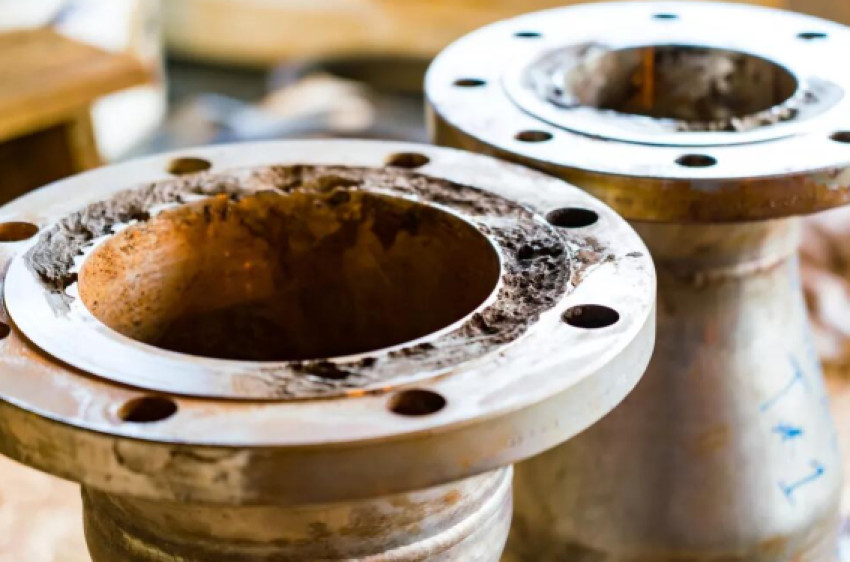
As an indispensable connection element in the industrial pipeline system, the stability of the performance and the length of its service life are directly related to the safety and operating efficiency of the entire system. Therefore, it is particularly important to effectively maintain and maintain the pipe flange. This article will introduce in detail how to extend the service life of the pipe flange through a series of maintenance measures.
1. Regular inspection
Regular inspection is the basis for extending the service life of flange pipe fittings. The inspection content mainly includes appearance inspection, connection tightness, sealing performance, etc. Specifically, check whether there are cracks, wear, corrosion and other phenomena on the surface of the flange pipe fittings, and whether the flange connection is loose or leaking. In addition, the tightness of the bolts and nuts should also be checked to ensure that they meet the design requirements and avoid leakage or damage caused by looseness.
2. Cleaning and maintenance
Keeping the flange pipe fittings and connection parts clean is the key to preventing corrosion and extending the service life. You can use a soft cloth or a special detergent for cleaning, but be careful to avoid using detergents that are harmful to the flange material. For carbon steel flanges, you can regularly wipe the surface with a small amount of anti-rust oil or sewing machine oil to keep it bright and new and reduce the occurrence of corrosion.
3. Reasonable installation
Reasonable installation is the prerequisite for ensuring the long-term and stable operation of flange pipe fittings. During installation, ensure that the flange pipe fittings are installed in the correct position, and tighten the bolts according to the specified torque to avoid over-tightening or over-loosening to cause poor sealing or damage. At the same time, it is also necessary to avoid excessive bending, twisting or stretching to avoid damaging the flange pipe fitting structure or affecting its performance.
4. Select corrosion-resistant materials
Selecting suitable flange pipe fitting materials according to the corrosive properties of the medium is an important measure to extend its service life. For example, for highly corrosive media, materials with excellent corrosion resistance such as stainless steel and alloy steel can be selected. This can not only effectively resist corrosion, but also reduce leakage and damage caused by corrosion.
5. Strengthen sealing
The quality of sealing performance is directly related to the service life of flange pipe fittings. Therefore, during installation and maintenance, high-quality sealing gaskets or sealing rings should be used, and ensure that they are properly installed and tightened. Regularly check the wear of the sealing gasket and replace the aging and damaged gaskets in time to prevent the leakage of corrosive media from damaging the flange fittings.
6. Environmental control
In the use environment of flange fittings, the temperature and humidity should be strictly controlled to avoid corrosion of flange fittings in harsh environments such as high temperature and high humidity. For flange fittings working in high temperature environments, thermal insulation materials can be used to wrap them to reduce the impact of heat on flange fittings. At the same time, in low temperature environments, it is necessary to prevent the medium in the flange fittings from freezing and expanding and causing rupture, which can be prevented by heating, heat preservation, emptying the medium and other measures.
7. Regular replacement
For flange fittings that have been in contact with corrosive media for a long time, they should be replaced regularly to avoid failure due to corrosion. By regularly replacing aging and damaged flange fittings, the normal operation of the system can be ensured and losses caused by leakage and damage can be reduced.
8. Develop an emergency plan
Developing an emergency plan to deal with emergencies is the key to ensuring that measures can be taken quickly to deal with them in an emergency. The emergency plan should include response measures and handling procedures for sudden situations such as flange pipe rupture and leakage to ensure timely and effective handling in emergency situations to reduce losses and impacts.