Introduction:
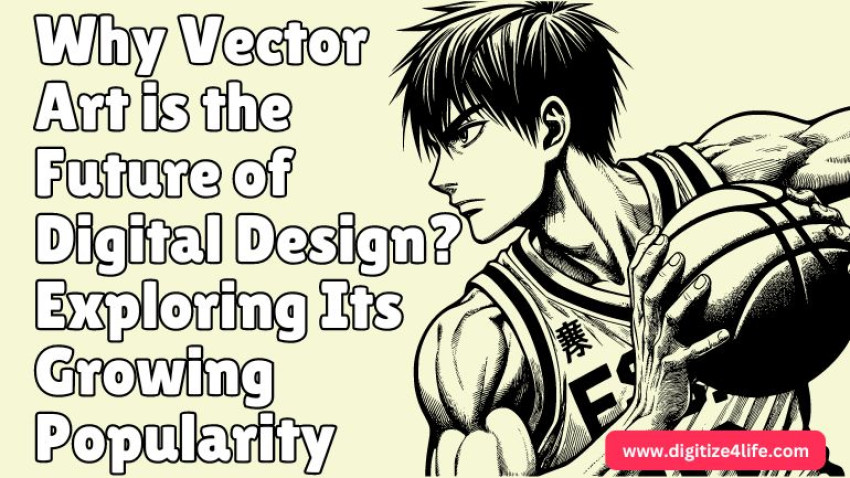
In a world in which technology is the primary creative force Digital design is fleetly changing. Vector art is arising as a potent tool that’s changing what the graphic developer’s future holds for as well as vitality, advertising as well as innumerous other diligence. The inflexibility and versatility of it make vector plates essential in the ever-changing world of digital. From icons and ensigns to intricate illustrations and robustness vector art is growing in fashionability due to its speed and delicacy.
This composition will bandy how vector design is developing, why it so well-known, and how it’s revolutionizing the creative assiduity.
What is Vector Art?
The term “vector art” refers to a kind of digital illustration in which images are made with mathematics, lines, points and angles, rather of individual pixels. This is why it’s distinct from raster filmland, which are grounded on pixels and are frequently degraded when they’re gauged. Vector plates are a different story. No anyhow of how much you expand or reduce the size of the image the quality is always top-quality.
Vector lines are generally saved in formats similar as SVG (Scalable Vector Graphics), AI (Adobe Illustrator) and an EPS (Encapsulated PostScript), which can be used in a variety of ways in a variety of design software. These features make vector art the favored option for professionals who need dexterity in their work, perfection, and inflexibility when designing.
The Benefits of Vector Art
1. Scalability Without Quality Loss
The most significant benefit for vector artwork is capacity to gauge. In discrepancy to raster images, which are pixelated when expanded they can be enlarged indefinitely, without losing clarity or sharpness. This makes them ideal for numerous different operations, from bitsy icons to huge billboards.
2. Versatility Across Multiple Platforms
Vector images are largely protean and can be acclimated to different media. They’re suitable to be transmittable from published media to online without immolating quality. However, or indeed a wares vector plates stay clean and refined, If you are creating a website or an app.
3. File Size Efficiency
Vector plates are generally lower in size as in comparison to high-resolution raster image. This makes them easier to save and partake, but it increases rendering speed when used in digital operations. For operations and websites this means quicker lading times and better overall performance.
4. Ease of Editing and Customization
Vector art provides unmatched inflexibility in editing. Contrivers can edit individual factors of a vector illustration (like points and curves) painlessly without impacting the overall image. This allows for further creativity and control, as well as an capability for rapid-fire adaptations as demanded.
5. Perfect For Logo Design and Branding
Branding and totem rudiments constantly bear resizing to fit different purposes similar as business cards and banners. Vector art makes sure that these rudiments are invariant and sharp, enhancing the identity of a brand without causing deformation.
Why Vector Art is Gaining Popularity
1. Growing Demand For Scalable Graphics
As further businesses move their attention towards online platforms, the demand for flexible, scalable design means has increased. Vector art’s capability to save quality across a variety of confines and media types is a top option for contemporary contrivers.
2. Efficient For Web and Mobile Development
In this day and time that responsive websites are a reality, visual vectors are the perfect result. They load briskly, acclimate painlessly to colorful screen sizes, and retain clarity on displays with high judgments. Mobile operation development, particularly has the benefit of vector art because of its featherlight design and capability to acclimatize.
3. Increased Use in Animation and Interactive Media
Vector art also plays pivotal places in the field of vitality and interactive media. As technology improves the use of vector-grounded vitality is getting more popular in web design, and marketing. Vectors enable smooth robustness that are fluently altered without pixilation, which makes them a popular choice for animators.
4. Integration with Modern Design Software
Ultramodern design tools like Adobe Illustrator, CorelDraw, and Figma are erected on vector images. These platforms enable contrivers to make, edit and import vector images in a flawless manner and boost the appeal in the field of art vector. The emergence of cloud-based software for design has helped make collaboration much easier for brigades, allowing them working on images across multiple locales in real-time.
The Future of Vector Art in Digital Design
1. A Shift Towards Minimalism and Clean Design
One of the reasons that vector design is getting popular in design and digital is the growing trend towards minimalist design. ultramodern design is shifting down from detailed, intricate images to more clear, ultramodern images. Vector art is a perfect complement to this trend, furnishing contrivers the occasion to design simple, flexible designs that look professional anyhow of the platform.
2. Augmented Reality (AR) and Virtual Reality (VR)
In the future, as AR and VR technologies continue to advance and come more flexible, the need for flexible, dynamic illustrations is likely to increase. Vector plates will play an important part in these advancements by furnishing featherlight, flexible means that seamlessly blend with immersive settings.
3. Advancements in AI and Automation
With the arrival of artificial intelligence (AI) and robotization gaining traction in the design process vector art will gain a lot. AI-powered design tools can help automate vector creation, making the process faster and more efficient. This allows contrivers to concentrate on their creativity rather of details of designing images.
4. Sustainability in Design
As businesses come more eco conscious, there is an adding trend towards sustainable practices in design. Vector art, thanks to its lower train sizes as well as effective operation of coffers, is nearly with this ideal. It helps reduce the energy use in digital surroundings, and contribute to a more sustainable digital design.
How to Get Started with Vector Art
Still, or looking to ameliorate their chops it’s pivotal to begin with the applicable tools, If you are a developer looking to move into vector art. Here are a few popular vector design platforms:
Adobe Illustrator: The assiduity standard for delineation vectors with advanced features for professionals.
CorelDraw: An extremely protean tool popular for its stoner-friendly interface as well as strong vector capabilities.
Inks cape: A free, open-source software that’s ideal for those who are just beginning.
Figma: A web-grounded cooperative platform that lets you use rapid-fire prototyping and design in real-time.
Conclusion: The Future is Vector
The inflexibility capacity, scalability, and efficacity have led to its adding fashionability in the field of digital design. As technology improves the field of vector art will be integrated into numerous sectors including advertising, and virtual reality. With the relinquishment of vector plates contrivers can be suitable to assure that their work will remain applicable by icing that their work remain high-quality, flexible and applicable in the ever-changing digital terrain.
As the digital geography grows adding the demand for top-quality and scalable plates will continue to increase which will make vector art an essential part of every developer’s toolbox. No matter if you are a stager competent or just beginning to learn about vector art, it’s vital to stay ahead of the ever-changing assiduity of graphic design.