Introduction:
Embroidery has long been celebrated as a timeless art that combines intricate design with meticulous craftsmanship. As the era progressed, the introduction of automatic setup revolutionized this traditional boat, bringing with it a new generation of precision, creativity and efficiency. In this blog, we can explore the profound impact of automatic design on embroidery, delve into its benefits, strategies and future features.
The Evolution of Embroidery: From Hand Stitching to Digital Precision
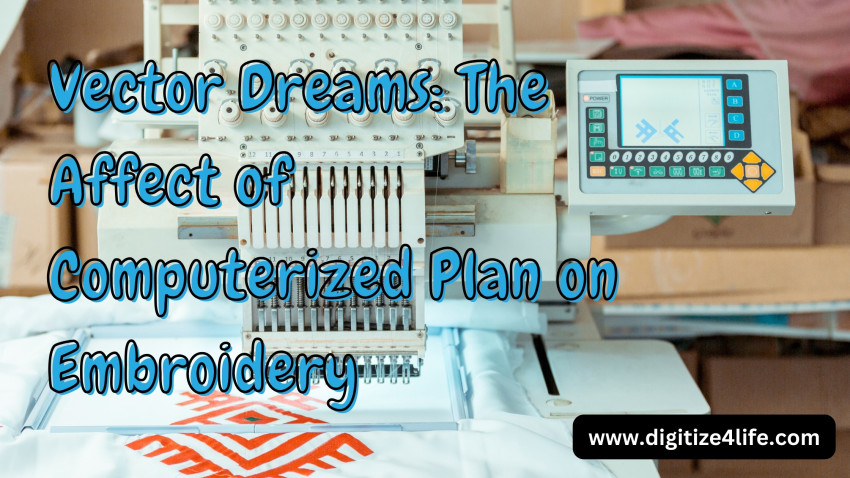
Rich records of the history of embroidery stretch back thousands of years, and hand-stitched patterns adorn clothing, accessories, and home décor. While traditional methods remain popular, automatic printers have changed the business. Craftsmen and hobbyists can now create difficult patterns with high precision and speed by integrating virtual design software with embroidery machines.
Advantages of Computer Embroidery
Unrivaled Accuracy and Consistency
Computer embroidery eliminates human error by ensuring that every stitch is exactly in place. Such precision is useful for complex designs and repetitive styles, maintaining consistency in more than one part.
Time Efficiency
Digital design greatly reduces the time required for complex embroidery work. Given multiple productivity and faster response times, it can take hours or even days to complete.
Endless Design Possibilities
When it comes to computer embroidery, the most comfortable limit is your imagination. Digital design software allows for endless creativity and allows customers to experiment with many styles, colors and patterns. Mainly, vector portraits offer scalable designs that can be resized without falling off.
Cost-Effective Production
The efficiency of automatic embroidery reduces labor costs and minimizes fabric waste. By optimizing thread usage and reducing errors, agencies can achieve cost-effective production while maintaining meaningful impact.
Computer Aided Embroidery Techniques and Tools
To fully understand the impact of automatic layout on embroidery, it is important to understand the strategies and tools of this modern approach.
Vector Graphics: The Backbone of Digital Embroidery
Vector graphics play a central role in computer embroidery technology. Unlike raster images, which can be made of pixels, vector images consist of mathematical equations that outline shapes and lines. This arrangement allows for smooth scaling and special handling, making it ideal for embroidery.
Embroidery Software: Connecting Creativity and Technology
Embroidery software is the bridge between creative design and system implementation. Programs such as Adobe Illustrator, CorelDraw, specialized embroidery software, as well as Wilcom and Hatch, provide support functions for designing and digitizing embroidery. These tools allow users to convert vector images into embroidery documents, set stitch reps, and customize thread colors.
Digitizing: Converting Patterns to Stitches
Digitizing converts a digital image into a stitch record that the widget can examine. This involves mapping out the layout, determining stitch classifications (eg satin, filling, marching) and stitching. Experienced digitizers can refine patterns by adjusting stitch density, routing and backing material for excellent results on multiple fabrics.
The Future of Computerized Embroidery Technology
As technology adapts, automatic embroidery looks promising and there are several exciting trends on the horizon.
Integration of Artificial Intelligence and Machine Learning
Artificial Intelligence and Machine Learning can further revolutionize computer embroidery. This technology can analyze and optimize designs, anticipate capacity issues and provide suggestions for improvement. AI-enabled embroidery machines can adapt to unique materials by mechanically adjusting tension and stitch parameters for perfect results.
Sustainable Practices
Sustainability is becoming more and more important in Kangasala companies, and automatic machines are no exception. Innovations in green threads, energy-efficient machinery and waste reduction strategies will shape the future of particularly sustainable embroidery. Digital layout enables the use of specific fabric, minimizes waste and sells environmentally conscious products.
Advanced Customization and Personalization
The demand for personalized products is constantly increasing and automatic embroidery matches this trend. Advanced software and machine features enable advanced customization, allowing individuals and organizations to create specific custom items. From monogrammed accessories to custom clothing, the possibilities for personalized embroidery are endless.
Integration with Smart Textiles
Smart textiles consisting of digital attachments and sensors is an emerging topic with significant potential. Computerized embroidery can be important in this integration, bringing a functional and aesthetically desirable lightweight fabric. Applications range from the wearable generation to interactive home textiles, combining traditional craftsmanship with modern innovations.
Conclusion
The effect of computerized layout on embroidery is simple, transforming a time-honored craft into a cutting-edge and dynamic work of art. Digital embroidery is revolutionizing the industry with benefits such as unmatched precision, time savings and countless design possibilities. Looking ahead, advances in artificial intelligence, durability, customization and smart textiles promise to take automatic embroidery to new heights.
Embracing technology does not mean abandoning tradition; Alternatively, it allows you to embellish and expand the creative potential of embroidery. Harnessing the energy of automatic design, we continue to enjoy the art of embroidery while pushing the limits of viability. Whether you are a professional embroiderer or a beginner, digital embroidery offers many opportunities to explore, innovate and create..