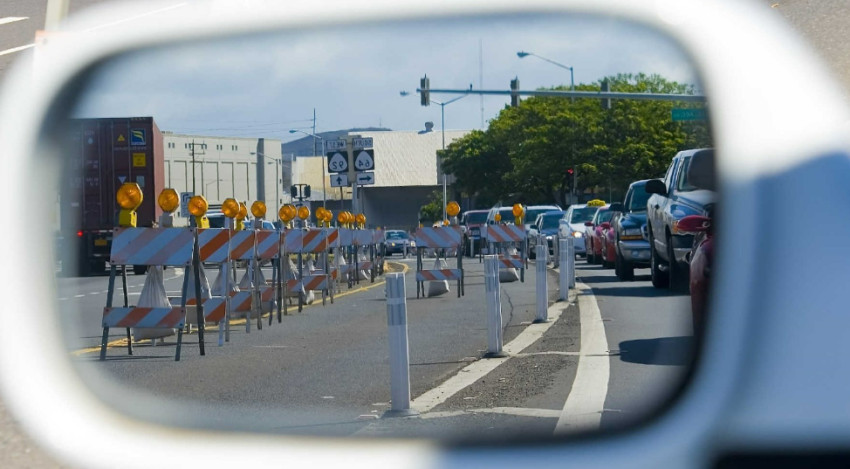
5 Challenges in Urban Road Safe Traffic Management
Getting around a bustling city can be an exercise in patience. Traffic jams, endless searching for parking, and unpredictable delays have become the norm for many urban commuters.
While we can't magically whisk away congestion, understanding the top challenges facing road safe traffic management can help us pave the way (pun intended!) for smoother urban commutes.
1. Ever-Growing Traffic Congestion
The most obvious challenge in urban traffic management is the sheer volume of vehicles on the road. Cities are magnets for population growth, and with more people comes more cars.
During peak hours, the existing road infrastructure simply can't handle the influx of traffic, which leads to gridlocks and frustrating delays. The issue of congestion causes time and fuel wastage while having ripple effects on economic productivity and air quality.
2. The Parking Predicament
Picture yourself finally reaching your destination after battling traffic, only to spend another eternity circling around, hoping for a parking miracle.
Parking is often a luxury in dense urban areas, and the demand far outstrips the supply. Insufficient parking spaces lead to illegal parking, double parking, increased congestion, and even elevated stress levels for drivers.
3. The Need for Better Public Transportation
Cities need efficient and accessible public transportation to relieve road congestion. Sadly, many urban areas suffer from insufficient or unreliable bus routes, poorly maintained trains, and a lack of connectivity that deters people from using public transport.
Expanding public transport options, improving reliability, and seamless integration is crucial for sustainable road safe traffic management.
4. Prioritising Pedestrians and Cyclists
Cars seem to get all the attention, but our cities also belong to pedestrians and cyclists. Designing safe and convenient infrastructure for these vulnerable road users is key to urban traffic management.
This prioritisation means dedicated bike lanes, well-maintained sidewalks, proper pedestrian crossings, and raising awareness among drivers to create a more harmonious, less dangerous shared space.
5. Embracing Technology
Technology is no longer just a 'nice-to-have' – it's essential for managing the complexities of urban traffic flow. Here are a few ways tech can make a difference:
Intelligent traffic signals
Replacing old-school traffic lights with systems that adapt to real-time traffic patterns can optimise traffic flow.
Real-time traffic monitoring
Cameras and sensors provide real-time information on congestion points, accidents, or other disruptions, allowing quick responses and route adjustments.
Smart parking solutions
Apps and sensors that help drivers find available parking spaces can save time and reduce circling for parking – which, in turn, eases congestion.
What's the Big Fix?
There are no easy answers, unfortunately. Tackling these urban traffic challenges requires a multi-faceted approach from city planners, government officials, and even us, the driving citizens. It's a long-term effort that includes:
Expanding public transportation.
Investing in pedestrian and cycling infrastructure.
Promoting carpooling and ride-sharing programs.
Implementing congestion pricing (tolls during busy periods).
Encouraging flexible work schedules.
Leveraging technologies for smarter traffic management.
While traffic snarls might be inevitable in a city, they don't have to be soul-crushing! By combining long-term planning with smart technology, cities can pave the way for smoother, more sustainable, and less headache-inducing urban transportation.
Let's keep the conversation going and advocate for better solutions – our cities depend on it!