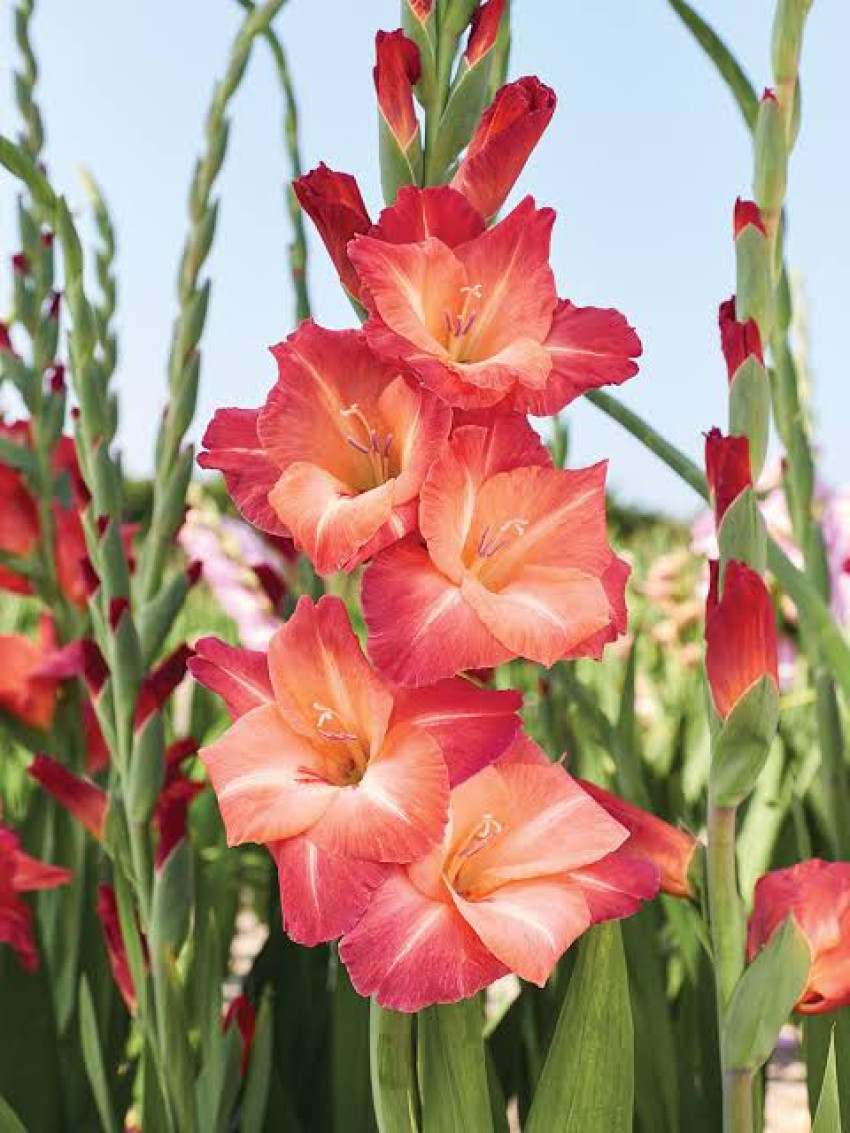
Introduction: Nerium oleander, commonly known as oleander, is a strikingly beautiful yet potentially toxic flowering shrub native to the Mediterranean region, North Africa, and parts of Asia. Despite its alluring appearance and widespread cultivation in gardens and landscapes, oleander harbors a dark side, containing toxins that pose serious health risks to humans and animals. Let's explore the fascinating dichotomy of Nerium oleander, from its captivating beauty to its hidden dangers.
Appearance: Nerium oleander is renowned for its lush foliage and showy clusters of funnel-shaped flowers, which bloom in a variety of hues including white, pink, red, and yellow. The glossy, lance-shaped leaves provide an evergreen backdrop for the abundant blooms, creating a picturesque display throughout the summer months. With its dense, upright growth habit, oleander can reach heights of up to 12 feet or more, making it a popular choice for hedges, screens, and ornamental borders.
Cultural Significance: Throughout history, Nerium oleander has held symbolic significance in various cultures and traditions. In Greek mythology, oleander was associated with the nymph Nerium, who was transformed into the plant by the gods. The flower's name, Nerium, pays homage to this mythological connection. In modern times, oleander is often admired for its resilience and tolerance to harsh growing conditions, thriving in coastal areas, arid landscapes, and urban environments.
Toxicity: Despite its aesthetic appeal, Nerium oleander poses a significant risk due to the presence of cardiac glycosides, compounds that are highly toxic to humans and animals if ingested. All parts of the plant, including the leaves, stems, flowers, and sap, contain these toxic compounds, which can cause symptoms ranging from gastrointestinal distress to severe cardiac effects and even death. Ingestion of even small amounts of oleander can be fatal, making it imperative to handle the plant with caution and keep it out of reach of children and pets.
Cultural and Medicinal Uses: Despite its toxicity, Nerium oleander has been used medicinally in traditional systems of medicine, including Ayurveda and traditional Chinese medicine, albeit with extreme caution and under the guidance of qualified practitioners. Extracts from oleander have been studied for their potential therapeutic applications, particularly in the treatment of certain cancers. However, the use of oleander-derived products for medicinal purposes is controversial and requires further research to validate safety and efficacy.
Conclusion: Nerium oleander is a captivating yet complex plant, embodying the duality of beauty and danger in nature. While its vibrant blooms and glossy foliage add charm to gardens and landscapes, its toxicity serves as a sobering reminder of the inherent risks associated with certain plant species. By understanding and respecting the potential dangers of Nerium oleander, we can appreciate its beauty from a safe distance and cultivate a landscape that balances aesthetics with safety and responsibility.