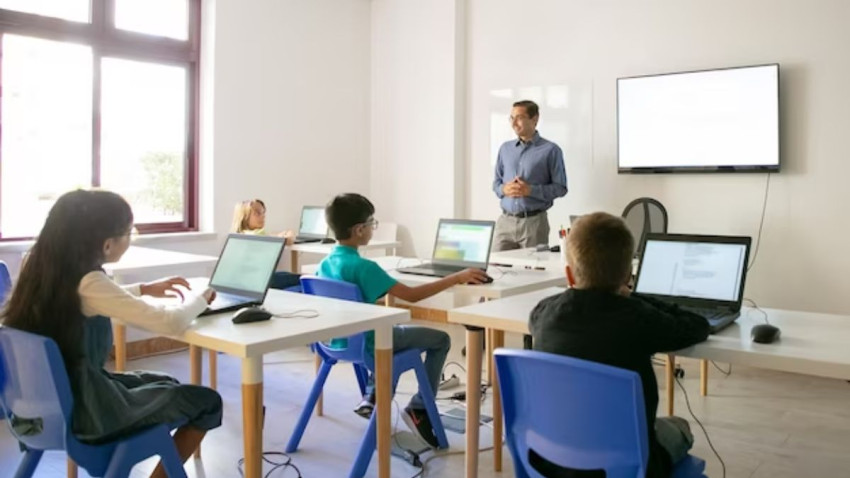
Effective classroom management is at the core of creating an ideal learning environment. Beyond simply maintaining order, effective management creates an atmosphere in which students feel engaged, motivated, and ready to absorb knowledge. Moreover, the teacher has a significant role in maintaining the classroom's decorum while ensuring students' academic success.
When wondering how to manage a classroom, here are some ways teachers ensure a well-managed classroom. Let's check.
What Is Classroom Management?
Classroom management refers to teachers' practices to ensure their lessons run efficiently without disrupting student behavior and hindering instruction delivery.
Teachers of school in Sanganer and throughout India must possess essential class management skills to deliver the lessons as expected and promote better learning.
How Can Teacher Help With Effective Classroom Management?
1. Establish a Positive Learning Environment:
Creating a positive and inclusive learning environment is at the forefront of effective classroom management. Teachers play an essential role in providing their students with a nurturing space where they can thrive.
Also, they set expectations from day one, instilling respect and cultivating community among pupils, which are just a few ways that teachers contribute significantly towards shaping a classroom atmosphere.
2. Establish Clear Expectations:
Clarity is key to successful classroom management. Teachers must set forth and communicate expectations regarding behavior, academic performance, and classroom procedures with their students to foster an ideal learning environment.
When students know exactly what is expected of them, they're more likely to remain on track and contribute positively towards an engaging educational experience. Moreover, these expectations also serve as a roadmap that guides both teacher and pupil toward reaching a shared vision of success together.
Teachers must create routines and structures to help their students better comprehend expectations and transitions. By developing clear routines for tasks like entering and leaving the classroom, starting and finishing lessons, group work activities, etc, they can minimize disruptions while optimizing instructional time.
3. Consistent and Fair Enforcement:
Establishing rules is only the start; consistently and fairly enforcing them is separate. A teacher who applies consequences consistently for both positive and negative behaviors builds trust within the classroom community. This ensures students perceive him or her as a fair guide, increasing compliance with established norms.
4. Adapting to Individual Needs:
One important classroom management tip is adapting to every student's needs. Classrooms are dynamic environments filled with students from varied learning styles and abilities, bringing different backgrounds. Teachers play an essential role in recognizing and adapting to these individual needs - whether through instruction methods, assessments, or support mechanisms.
By catering specifically to each child's requirements, a teacher creates an inclusive classroom and can maximize academic success potential for all.
5. Effective Communication:
Communication is at the core of every relationship - especially between teachers and students. For effective classroom management, a teacher must master effective communication to convey expectations, provide feedback, and equitably address concerns and needs.
Listening is equally important - understanding students' perspectives, challenges, and feedback helps foster mutual respect and collaboration, essential for creating an ideal classroom dynamic.
6. Building Relationships:
Teachers are invaluable in developing meaningful relationships with their students beyond simply exchanging information. When students feel connected with their instructor, they're more likely to remain engaged, motivated, and responsive to guidance.
Simple gestures like remembering student names, showing genuine curiosity about them, or being approachable all help create an ideal learning environment that nurtures students' needs and supports growth.
7. Flexibility and Adaptability:
Effective classroom management demands flexibility from its educators. Teachers must have the ability to adapt quickly in response to unexpected events, revise instructional strategies based on student feedback, and incorporate innovation in teaching methods as required. Flexibility helps educators keep pace with changing classroom needs for a dynamic and adaptive learning experience.
8. Professional Development:
Classroom management requires constant development. Teachers should make time for ongoing professional development to stay abreast of ever-evolving pedagogy strategies, technological innovations, and best practices in education. Adopting lifelong learning practices strengthens their abilities as effective classroom managers and serves as models for their students, encouraging a culture of continuous growth in classroom management practices.
9. Encourage Student Engagement:
Engaged students are more likely to remain focused, motivated, and well-behaved in class. Teachers can promote this engagement using various instructional strategies that encourage active participation, such as hands-on activities, group work discussions, technology integration, or making lessons interesting and relevant - creating experiences that make lessons engaging and reducing disruptive behavior in students.
10. Responding Appropriately to Misbehavior:
A teacher's role when misbehavior occurs is to respond thoughtfully and constructively, taking steps such as addressing it rather than assigning blame, using appropriate consequences, providing opportunities for reflection and growth, and providing reflective opportunities in response. By acting accordingly, they contribute towards creating an environment of accountability and responsibility within their classroom environment.
Conclusion
Classroom management is an integral teaching component in creating an ideal learning environment. Understanding their roles as classroom managers and following these tips can help teachers manage students better and contribute to student's academic success and overall development.