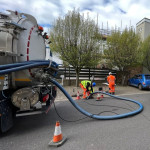
Here we'll explore the reasons behind septic tank drain blockages and practical strategies to clear the path for a smoothly functioning septic system.
I. Understanding the Culprits: Common Causes of Blockages
Unravelling the mystery of a blocked septic tank drain begins with identifying the usual suspects:
1. Solid Buildup:
Solid waste can accumulate in the drain over time, hindering wastewater flow.
- Improper disposal of non-biodegradable items like wipes or hygiene products can exacerbate the issue.
2. Tree Root Intrusions:
- The quest for water can lead tree roots to infiltrate septic tank drains.
- As roots grow, they create blockages and may damage the drain pipes.
3. Grease Accumulation:
- Pouring grease down the drain might seem harmless initially, but it solidifies over time, causing blockages.
- Grease traps within the drain can impede the flow of wastewater.
II. Recognizing Signs of a Blocked Septic Tank Drain
Before diving into solutions, it's crucial to be aware of the indicators that your septic tank drain is experiencing a blockage:
1. Foul Odors:
- Unpleasant smells emanating from drains or the yard can indicate a blocked drain.
2. Slow Drains:
- Water taking longer to drain from sinks, showers, or toilets is a sign of a potential blockage.
3. Gurgling Noises:
- If you hear unusual gurgling sounds when using plumbing fixtures, it may signify a blockage hindering proper drainage.
III. DIY Solutions for Unblocking Septic Tank Drains
While some issues may require professional intervention, there are several DIY methods to attempt when dealing with a blocked septic tank drain:
1. Boiling Water:
- Pouring boiling water down the drain can help break down grease and minor blockages.
2. Baking Soda and Vinegar:
- Mixing baking soda and vinegar creates a foaming reaction that can help dislodge debris.
3. Plunging:
- Using a plunger on the affected drain might effectively dislodge minor blockages.
IV. Professional Assistance: When to Call in the Experts
For persistent or more severe blockages, it's advisable to seek professional assistance:
1. Hydro Jetting:
- High-pressure water jetting can clear stubborn clogs and remove accumulated debris from the drain.
2. Auger or Snake Drain Cleaning:
- Plumbers may use specialized tools like drills or drain snakes to remove blockages within the drain physically.
3. Inspection and Maintenance:
- Periodic professional inspections clear existing blockages and identify potential issues before they escalate.
V. Preventive Measures: Keeping Your Septic Tank Drain Clear
Prevention is the best cure. Adopting these practices can help prevent future blockages:
1. Mindful Disposal:
- Avoid flushing non-biodegradable items or pouring grease down the drain.
2. Regular Pumping:
- Scheduled septic tank pumping removes accumulated solids, reducing the risk of drain blockages.
3. Tree Maintenance:
- Inspect and trim tree roots near the septic tank area to prevent root intrusion.
VI. Conclusion: A Clear Path to a Healthy Septic System
Dealing with a blocked septic tank drain may seem daunting, but understanding the causes and adopting preventive measures can keep your system flowing smoothly. Whether opting for DIY solutions or seeking professional assistance, a proactive approach to maintaining your septic system ensures a healthy and trouble-free home.
Remember, a clear path for your septic tank drain leads to a clean and worry-free living environment.