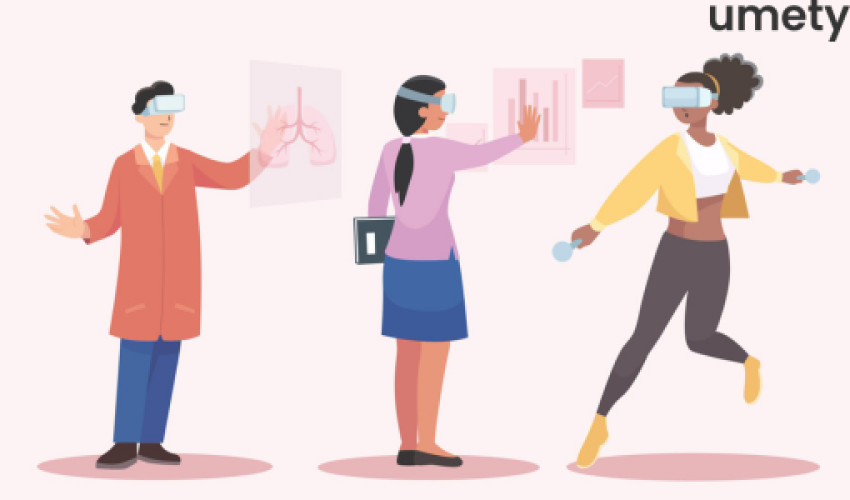
In an era marked by technological advancement and ever-evolving consumer preferences, businesses across various industries are finding innovative ways to stay competitive and engage their audiences. One such groundbreaking tool that has gained immense popularity is the virtual tour. Originally utilized primarily in the real estate sector, virtual tour have now expanded their reach to revolutionize how businesses in diverse fields interact with their customers. This article delves into the exciting world of virtual tours and examines how they are being harnessed by businesses across various industries.
Real Estate: The Pioneers
The real estate industry was one of the first to embrace virtual tours as a game-changer. Virtual tours provide prospective buyers and renters with an immersive, 360-degree view of properties, allowing them to explore every nook and cranny without leaving their homes. This technology has not only streamlined the property search process but has also reduced the need for physical viewings, saving time and resources for both buyers and sellers.
Hospitality and Travel: Destinations at Your Fingertips
Hotels, resorts, and tourist destinations have quickly adopted virtual tours to entice potential visitors. Before booking a vacation, travelers can take a virtual stroll through hotel lobbies, check out room layouts, and explore the beauty of local attractions. Such immersive experiences help travelers make informed decisions and provide a taste of their upcoming adventure.
Education: Campuses without Borders
Virtual tours have transformed the education sector, allowing universities and schools to showcase their campuses to prospective students worldwide. From walking through lecture halls to exploring dormitories, virtual tours provide a glimpse of campus life, helping students make informed choices about their academic future. This technology has also proven invaluable during the COVID-19 pandemic when in-person campus visits were limited.
Automotive Industry: Showrooms in Your Living Room
The automotive industry is driving virtual tours into high gear. Car manufacturers and dealerships are using virtual showrooms to display their latest models. Customers can inspect the interiors, explore features, and even take simulated test drives, all from the comfort of their homes. This approach not only saves time but also makes the car-buying experience more interactive and engaging.
Museums and Cultural Institutions: Art Beyond Boundaries
Cultural institutions, such as museums and art galleries, have harnessed virtual tours to make art and history accessible to a global audience. These tours allow art enthusiasts to admire masterpieces, explore historical artifacts, and gain insights into the stories behind them, irrespective of geographical constraints.
Retail: Enhancing the Online Shopping Experience
Online retailers have incorporated virtual tours to create a more immersive shopping experience. Customers can virtually browse clothing stores, furniture showrooms, and even try on outfits or visualize how products fit into their homes. By bridging the gap between online and in-store shopping, virtual tours are changing the way consumers make purchasing decisions.
Healthcare: Navigating Healthcare Facilities
Hospitals and healthcare facilities are using virtual tours to help patients become familiar with their environments before visiting. These tours provide peace of mind and reduce anxiety, especially for patients who may be undergoing complicated procedures or treatments.
Conclusion
Virtual tours are not just a passing trend; they have become an essential tool for businesses in various industries to engage their audiences and enhance customer experiences. Whether it's facilitating property sales, enticing travelers, guiding students, selling cars, preserving culture, boosting online sales, or easing healthcare transitions, virtual tours are changing the way we interact with the world around us. As technology continues to evolve, we can expect virtual tours to become even more immersive and integral to businesses across an ever-expanding array of industries. Embracing this innovation is not just a choice but a necessity for those looking to stay competitive in today's digital landscape.