Kosheeka Primary Cells for Research Articles

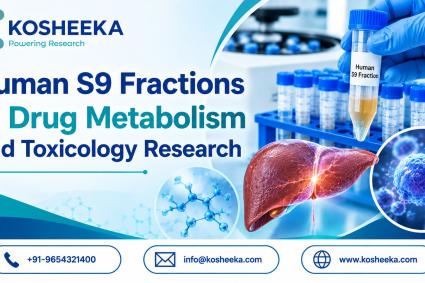
Wistar Rat S9 Fraction: A Research Guide to Liver Drug...

Wistar rat S9 fraction is a liver subcellular prep with microsomal + cytosolic enzymes for Phase I/II drug metabolism studies. Used for metabolic stability, metabolite profiling & biotransformation, it bridges...

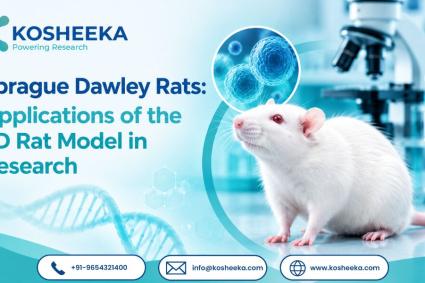
Sprague Dawley Rat Model: Uses, Characteristics & Research Applications

Sprague-Dawley (SD) rats are versatile outbred models widely used in pharmacology, toxicology, disease modeling, and regenerative medicine. They are often combined with primary hepatocytes, microsomes, and S9 fractions to study...

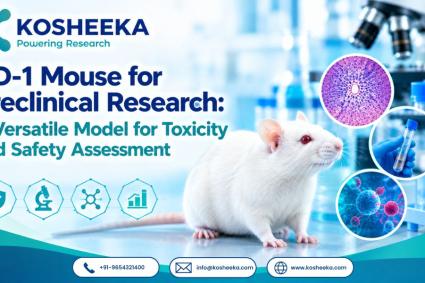
CD-1 Mouse Model: Characteristics, Strain Profile & Research Applications

CD-1 mice are outbred Swiss-origin stock with genetic diversity, strong reproduction & adaptability. Used in toxicology, pharmacology, drug development, reproductive & developmental research for broader biological responses vs. inbred strains.

Human Liver Microsomes: Understanding the Key Function in Drug Metabolism...

Human liver microsomes are ER-derived vesicles rich in CYP and other enzymes, used in vitro to assess drug metabolic stability, metabolite formation, clearance, and CYP-mediated interactions in early ADME studies—simple,...

Liver Hepatocytes: Breakthrough in Biomedical and Regenerative Research

Hepatocytes, the liver’s main cells (>80% mass), drive metabolism, detoxification & protein synthesis. Primary human hepatocytes are the gold standard for drug testing, disease modeling & regenerative medicine, aided by...

Hepatocyte Cells: Structure, Function, and Applications in Liver Research

Hepatocytes are the primary functional cells of the liver, comprising over 80% of its mass. They perform key roles in metabolism (glucose, fat, protein), detoxification, bile production, and nutrient processing....

Epithelial vs. Endothelial Cells: How They Differ in Structure and...

Understand epithelial vs endothelial cells – their structure, functions, and key differences. Learn about their roles in kidneys, blood vessels, cancer, and cardiovascular diseases for research and medicine.

Endothelial Cells: Structure, Function, and Their Role in Vascular Health

Endothelial cells line blood vessels, actively regulating blood flow, nutrient/oxygen delivery, clotting, and immune responses. They maintain vascular health; dysfunction leads to heart disease, stroke, diabetes, and neurodegeneration. Crucial for...

Human Adipose Derived Stem Cells: Transforming Regenerative Medicine and Cell...

Learn what human adipose-derived stem cells (ADSCs) are and why they are transforming regenerative medicine. These versatile mesenchymal stem cells, easily isolated from fat tissue, offer powerful self-renewal, multipotent differentiation,...

Difference between endothelial and epithelial cells: Understanding Structure and Function

Epithelial cells form protective barriers on skin and organ linings, aiding absorption, secretion, and filtration. Endothelial cells line blood/lymphatic vessels, regulating blood flow, permeability, and vascular homeostasis. They differ in...