
Introduction
The very first of these five therapies is Vamana therapy. Though the idea of therapeutic vomiting may sound intimidating at first, in Ayurveda it is a gentle, carefully supervised, and deeply restorative medical procedure. Let’s explore what Vamana therapy is, how it works, and what happens during the process.
Understanding Vamana Therapy
Vamana (also known as therapeutic emesis or medicated vomiting) is an Ayurvedic detoxification procedure specifically designed to eliminate excess Kapha dosha from the body.
In Ayurveda, Kapha represents the elements of earth and water. When balanced, Kapha provides strength, immunity, lubrication, and emotional stability. However, when Kapha accumulates in excess—often due to heavy foods, sedentary habits, or seasonal changes like spring—it turns into thick mucus and metabolic toxins (Ama). Because Kapha primarily resides in the chest, lungs, stomach, and upper respiratory tract, Vamana uses the upward pathway (the mouth) to expel these accumulated toxins directly from their root.
How Does Vamana Therapy Work? The 3-Stage Process
Vamana is never performed abruptly. A qualified Ayurvedic physician (Vaidya) guides the patient through three structured phases to ensure the procedure is safe, smooth, and effective.
1. Purvakarma (Preparation Phase)
Before toxins can be expelled, they must be loosened from deep tissues and brought into the stomach. This preparation typically takes 3 to 7 days and includes:
Deepana and Pachana: Herbal formulations are given to kindle digestive fire (Agni) and break down metabolic toxins.
Snehapana (Internal Oleation): The patient consumes gradually increasing doses of medicated ghee (clarified butter) on an empty stomach for a few days. This lubricates the internal channels and binds to fat-soluble toxins.
Abhyanga and Swedana: Full-body herbal oil massages followed by steam therapy help liquefy the loosened Kapha and direct it toward the gastrointestinal tract.
2. Pradhanakarma (The Main Procedure)
On the day of Vamana—usually performed early in the morning during Kapha Kala (the natural Kapha-dominant time of day, around sunrise)—the patient is given a comforting Kapha-aggravating meal the night before to help bring the dosha upward.
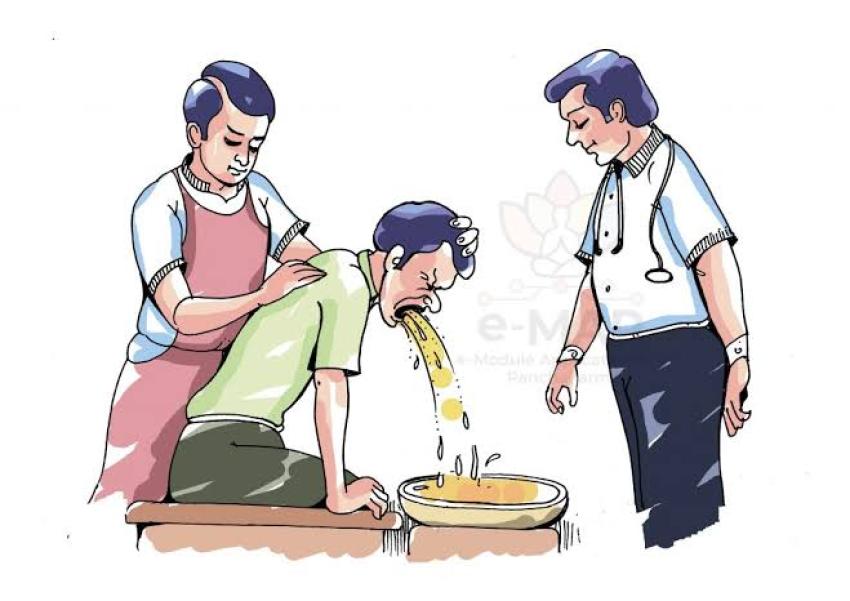
In the morning, the physician administers a specific herbal emetic decoction, often containing Madanaphala (Randia dumetorum), licorice (Yashtimadhu), or milk/sugarcane juice depending on the patient's body constitution (Prakriti). Within minutes, the patient experiences natural, effortless bouts of vomiting that clear out thick phlegm, undigested residues, and excess Kapha until clear bile (Pitta) appears—a sign that the stomach and upper tract are thoroughly cleansed.
3. Paschatkarma (Post-Therapy Care)
Once the cleanse is complete, the digestive system is temporarily delicate—much like a freshly lit ember. To rebuild digestive strength without overwhelming the body, the patient follows Samsarjana Krama, a structured, step-by-step dietary regimen. It starts with thin rice gruel (Peya), slowly progresses to thicker soups and khichdi, and gradually returns to normal meals over 3 to 7 days. Adequate rest and avoidance of cold winds, heavy foods, and stress are essential during recovery.
Who Should Perform Vamana?
Vamana is a clinical Ayurvedic procedure, not a DIY home remedy. It must only be conducted under the direct supervision of a certified Ayurvedic doctor after evaluating your age, strength, medical history, and dosha balance. It is generally avoided in pregnant women, young children, frail elderly individuals, and people with severe heart conditions or uncontrolled hypertension.
Conclusion
Vamana therapy is much more than a simple stomach cleanse—it is a scientifically structured Ayurvedic reset for the upper body and respiratory system. By safely clearing out deep-seated Kapha and toxins, Vamana lays the foundation for clearer breathing, lighter digestion, and long-term vitality.