

Facial balance and proportions play an important role in overall facial appearance. The relationship between the cheeks, chin, lips, jawline, and other facial features contributes to how harmonious and symmetrical the face looks. However, natural aging, genetics, changes in facial volume, and differences in bone structure can influence these proportions over time.
Dermal fillers are non-surgical cosmetic treatments that can help improve selected facial features by restoring lost volume, enhancing contours, and creating better visual balance. When administered appropriately, they can address specific aesthetic concerns without significantly changing a person's natural appearance.
Understanding how dermal fillers work, which facial areas can benefit from treatment, and what results are realistic can help individuals make informed decisions about facial enhancement.
What Is Facial Balance and Why Is It Important?
Facial balance refers to the visual relationship between different facial features. It involves how the upper, middle, and lower portions of the face relate to one another in terms of shape, volume, and proportions.
For example, cheek definition can influence the appearance of the midface, while chin projection can affect the balance of the lower face. Similarly, lip volume and jawline definition contribute to the overall facial profile.
Facial balance does not mean that every feature must be perfectly symmetrical. Natural faces often have minor differences between the two sides, and these variations are completely normal.
The objective of aesthetic treatment is generally to improve harmony between existing features rather than create artificial symmetry or follow a single beauty standard.
What Are Dermal Fillers?
Dermal fillers are injectable substances used to restore facial volume, soften certain wrinkles, and enhance specific facial contours. They are commonly used in areas such as the cheeks, lips, chin, jawline, and nasolabial folds.
Many modern fillers contain hyaluronic acid, a naturally occurring substance that helps maintain hydration and volume within the skin.
Other formulations contain materials that stimulate collagen production, helping improve tissue support gradually.
Unlike Botox, which temporarily relaxes targeted facial muscles, dermal fillers work by adding volume beneath the skin. This makes them useful for addressing certain concerns associated with facial volume loss and structural definition.
Can Dermal Fillers Improve Facial Balance and Proportions?
Yes, dermal fillers can help improve facial balance in selected individuals by enhancing specific features and restoring volume where it has diminished. Their effectiveness depends on facial anatomy, the treatment area, product selection, and the practitioner's injection technique.
Here are several ways fillers may contribute to improved facial proportions.
1. Enhancing Cheek Definition
The cheeks are an important part of facial structure because they influence the appearance of the midface and surrounding features.
Age-related volume loss can make the cheeks appear flatter or hollow, potentially affecting the relationship between the upper and lower face.
Cheek fillers can restore selected areas of volume and improve midface contours. This may create a more balanced transition between the cheeks, under-eye region, and lower face.
The amount of filler used should be carefully controlled to avoid excessive fullness or an unnatural appearance.
2. Improving Chin Projection
The chin contributes significantly to facial profile and lower-face proportions. A chin that appears recessed or lacks definition may affect the visual relationship between the nose, lips, and jawline.
In suitable patients, chin fillers can add projection and improve the appearance of the lower facial profile.
This treatment may help create a more balanced side profile without surgery. However, fillers cannot correct significant skeletal abnormalities or replace surgical chin augmentation when structural changes are required.
3. Defining the Jawline
The jawline helps create structure along the lower portion of the face. Reduced definition may result from genetics, aging, changes in soft tissue, or natural facial anatomy.
Dermal fillers can add volume along selected areas of the jawline to improve contour definition.
When performed carefully, jawline enhancement may create a smoother transition between the chin and the lower face. However, the treatment is not suitable for every facial shape, and excessive filler can make the lower face appear wider or heavier.
4. Improving Lip Proportions
The lips contribute to facial balance through their shape, volume, and relationship with surrounding features.
Lip fillers can enhance definition, improve selected asymmetries, and restore volume in naturally thin or age-related thinner lips.
The objective is to maintain suitable proportions between the upper and lower lips while complementing the nose, chin, and overall facial structure.
A conservative approach can help preserve natural expressions and avoid an overly enhanced appearance.
How Do Dermal Fillers Improve Different Facial Features?
Dermal fillers can address several aesthetic concerns depending on the patient's facial structure and treatment objectives.
Restoring Cheek Volume
Cheek fillers can help improve midface fullness and enhance cheekbone definition. Restoring volume in this area may also create a smoother transition between the lower eyelids and cheeks.
Enhancing Lip Shape
Lip fillers can improve lip volume, symmetry, and definition. A carefully planned treatment can create better visual proportions between the upper and lower lips while maintaining natural expressions.
Improving Chin Definition
Chin fillers can add projection to a recessed-looking chin and improve the relationship between the chin, lips, and nose. This may create a more balanced side profile in suitable individuals.
Defining the Jawline
Jawline fillers can improve lower-face contours by adding volume to selected areas. This may help create a more defined appearance and improve the visual transition between the chin and jaw.
Addressing Facial Asymmetry
Minor differences between the two sides of the face are normal. However, some individuals may want to improve noticeable volume differences or contour irregularities.
Dermal fillers can help address selected asymmetries by adding volume to specific areas. Nevertheless, they cannot correct every underlying structural or skeletal difference.
What Types of Dermal Fillers Are Used for Facial Balancing?
Different filler formulations offer different properties and applications.
Hyaluronic Acid Fillers: These are widely used for restoring facial volume, enhancing lips, improving cheek contours, and softening certain facial folds. Many formulations can be dissolved with hyaluronidase when clinically appropriate.
Calcium Hydroxylapatite Fillers: These fillers provide structural volume and may stimulate collagen production. They can be considered for selected facial contouring applications.
Poly-L-Lactic Acid Fillers: These work gradually by stimulating collagen production, helping improve facial fullness over time rather than providing only immediate volume.
The choice depends on the treatment area, desired outcome, facial anatomy, and product-specific indications. Not every filler is appropriate for every facial feature.
FDA+1
What Happens During a Facial Balancing Treatment?
A facial balancing treatment generally starts with a detailed consultation. The practitioner evaluates facial proportions, skin condition, existing volume, and individual aesthetic concerns.
Photographs may be taken to help assess facial symmetry and treatment areas. The practitioner then discusses suitable options, expected improvements, and potential limitations.
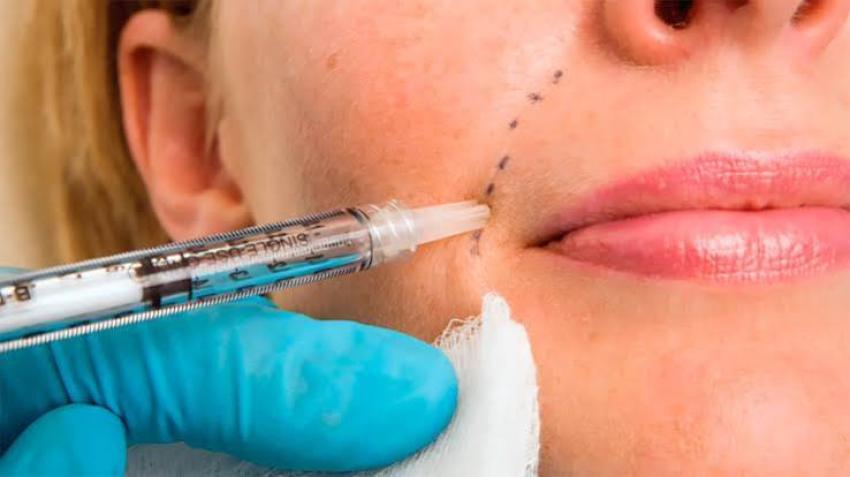
During the procedure, the selected filler is injected into carefully chosen areas using a needle or cannula. Treatment duration varies depending on the number of areas being addressed.
Patients may experience temporary swelling, redness, tenderness, or bruising after the procedure. Results should be evaluated after initial swelling has settled rather than making immediate assumptions about the final appearance.
Are Dermal Fillers Safe for Facial Balancing?
Dermal fillers are generally considered safe when administered by appropriately qualified medical professionals with detailed knowledge of facial anatomy.
However, potential complications include:
Temporary swelling and bruising.
Tenderness or discomfort.
Lumps or uneven contours.
Infection or inflammatory reactions.
Filler migration.
Vascular occlusion caused by accidental injection into a blood vessel.
Vascular complications can result in tissue damage and, in rare cases, permanent vision impairment. Patients should seek immediate medical attention if they experience unusual severe pain, skin discoloration, or visual disturbances following treatment.
Choosing an experienced practitioner who understands how to prevent and manage complications is essential.
FDA+1
Who Is a Suitable Candidate for Facial Balancing With Fillers?
Dermal fillers may be suitable for adults who want to improve selected facial proportions, restore lost volume, or enhance specific features without undergoing surgery.
Suitable candidates should have realistic expectations and understand that fillers provide temporary or product-dependent improvements rather than permanent structural changes.
Individuals with significant skeletal irregularities, substantial skin laxity, or certain medical conditions may require alternative treatments. A professional assessment helps determine whether fillers are appropriate for their concerns.
Conclusion
Dermal fillers can help improve facial balance and proportions by restoring lost volume, enhancing cheek definition, refining lip shape, improving chin projection, and creating more defined jawline contours. When treatment is based on individual facial anatomy and carefully selected products, it can support natural-looking facial harmony without surgery.
Dr Hussam Abbadi emphasises the importance of personalised assessment and appropriate treatment planning when considering facial enhancement. Individuals exploring Dermal Fillers in Dubai should consult an experienced medical practitioner to understand their options, evaluate potential risks, and determine the most suitable approach for achieving balanced and natural-looking results.