
Finding the right optometrist in your local area means you get clear, comfortable vision & a full picture of your eye health, not just a quick prescription. This article walks you through ten practical tips that cover everything from checking Medicare rebates & bulk billing, to asking about children's eye exams & glaucoma screening, all with local details that matter here in the Midland region. By the end, you'll know exactly what to look for, what questions to ask, and how to make a confident choice that suits your eyes & your lifestyle.
What to Look for When Choosing an Optometrist
Choosing who looks after your eyes? Tougher than it sounds! It's not just about prescription accuracy, either. In my experience, you should start with what your eyes genuinely need, then check qualifications & services, & how the clinic handles bookings & follow‑ups, because those details decide whether you'll go back. That's where people trip up. The ten tips below give you a clear, step‑by‑step way to compare options, so you can find a practice that fits you well.
1. Check Their Qualifications and Registration
Checking AHPRA first? Smart move. Make sure the optometrist you're considering holds full registration with the Australian Health Practitioner Regulation Agency, & that registration isn't just a formality, it's your guarantee the practitioner meets national standards for training, ethics, and ongoing professional development. Pop over to the public register on the AHPRA site, & you'll have an answer in two minutes.
Just registered? Not enough. Dig deeper into their credentials. A practitioner with postgraduate training in paediatric optometry usually fits kids better, & someone with extra qualifications in therapeutic management can prescribe certain medications for eye conditions, which matters for regular visits. From what I've seen, clinics that proudly display their team's qualifications online or in reception usually have nothing to hide, which is always a good sign. Extras matter!
2. Look for Bulk Billing and Medicare Rebates
Understanding the cost side of your eye care is essential, & this is where bulk billing & Medicare rebates come into play. Bulk billing means the optometrist accepts the Medicare rebate as full payment, so you'll have no out‑of‑pocket costs for a standard eye test, as long as you've a valid Medicare card. Not every practice offers this, so it's worth asking directly when you call to book your appointment.
If a practice doesn't bulk bill, ask about the gap payment you'll need to cover after the Medicare rebate is applied. A standard full eye test in Australia is usually covered by Medicare once every two years for most people, though more frequent tests may be needed if you've certain conditions like diabetes or a family history of glaucoma. I'd also suggest asking whether the practice charges extra for digital retinal imaging or visual field testing, as these are often separate fees that can easily catch people off guard.
3. Consider the Range of Services Offered
Your eyes change. So does what you need from a clinic, of course, & picking one with a wide service menu now simply saves you from switching providers later. Honestly, start with the basics: full eye exams, contact lens fittings, & a solid frame & lens range on‑site. From what I've seen, many local practices out there also run myopia control for kids, which really matters more every year as short‑sightedness rises these days!
Think about your family's needs & look for a clinic that can often handle them all. If you've children, check whether they see younger patients & do school vision screenings! And if you're over fifty, find out if they offer regular checks for conditions like macular degeneration & cataracts. Having one practice that can easily look after the whole family simplifies your life and means your records are all kept in one place, which benefits your ongoing care.
4. Read Reviews and Ask Around Locally
Word of mouth is still one of the most reliable ways to find a good optometrist, especially in a community like ours. Talk to your neighbours, colleagues, or friends who live nearby & ask about their experiences with local eye care practices. People are usually happy to share stories about a great eye test or a frustrating long wait, & this real‑world feedback is gold when you're trying to make a choice.
5. Check the Location and Opening Hours
Convenience matters more than you might simply think with regular eye care, as you're more likely to keep up with appointments if the clinic is fairly easy to get to. Here in Midland, look for a practice that's near public transport, has good parking, or is close to where you work or shop, which makes fitting an eye test into your day much simpler. Consider the bus routes & train station access too, especially if you don't drive!
6. Ask About the Eye Test Equipment and Technology
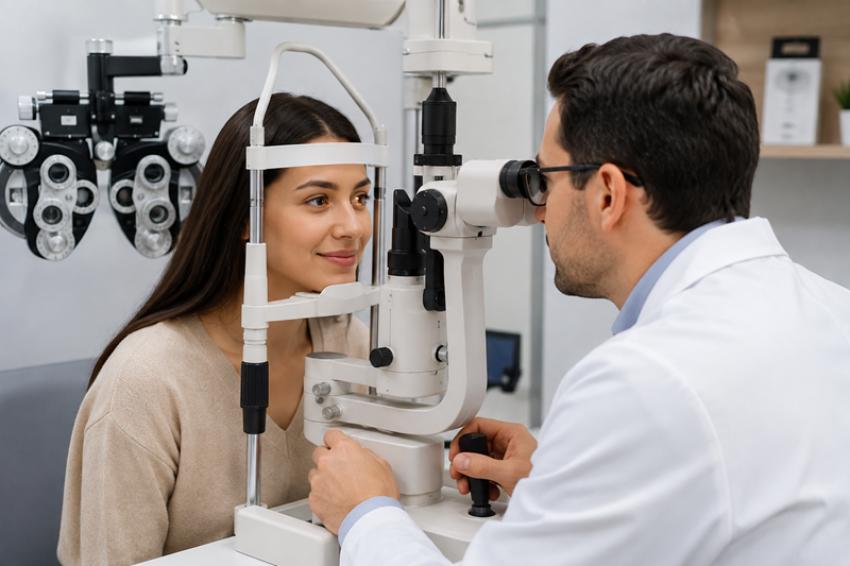
Optometry has advanced a lot in recent years, & the equipment a practice uses can easily tell you a lot about the quality of care you'll receive. Modern digital retinal imaging gives a detailed view of the back of your eye, which helps detect early signs of conditions like diabetes‑related eye damage & age‑related macular degeneration. A practice that invests in its equipment is usually also investing in accurate diagnoses & better patient care.
7. Evaluate Their Approach to Children's Eye Care
Children's vision develops rapidly, & eye problems can really affect learning & coordination, so finding a practice that genuinely welcomes young patients is important. A good children's optometrist will quickly have experience examining kids of all ages, from toddlers to teenagers, and will usually know how to make the experience fun & less intimidating. Ask if they offer eye tests for children who haven't, yet started school, as early checks can catch issues before they become bigger problems.
8. See What Frame and Lens Options They Stock
The range of frames and lenses on offer matters, especially if you wear glasses every day, as you'll want a pair that's comfortable, durable, & suits your style. A good practice will quickly stock many different brands, from budget‑friendly options to high‑end designer frames & should always have options to fit different face shapes & personal tastes. Think about what you need from your glasses, whether that's for work, sport, or everyday wear, & check if they've a good range to choose from.
9. Confirm They Handle Contact Lens Fittings Properly
If you wear contact lenses or want to start, the fitting process is critical for comfort & eye health, so you need a practice that takes it seriously. A proper contact lens fitting involves more than just picking a lens & sending you on your way; it includes measuring the curvature of your eye, checking tear film quality. And teaching you how to insert, remove, & care for your lenses! This process often involves an initial appointment followed by a review to make sure the lenses are working well for you.
Daily Disposable Lenses Monthly
Ask about the brands of contact lenses the practice recommends and whether they've trial lenses available for you to try before buying a supply. In 2026, there are daily disposable lenses, monthly lenses, & specialised lenses for conditions like astigmatism or presbyopia, & a good optometrist will usually help you choose the right type. Remember to check the cost of the fitting itself, as this is sometimes a separate service. And confirm they'll do a follow‑up exam to check the health of your eyes and the fit of your lenses.
10. Trust Your Gut and Book an Appointment
After doing all your research, the final step is to trust your instincts and make an appointment for an initial consultation. When you walk into the practice, notice how you're greeted, how clean the clinic is. And whether the staff seem organised & friendly, as these things set the tone for your experience. A practice that's well‑run & welcoming on your first visit is likely to provide a better overall experience than one that feels chaotic or impersonal.
Conclusion and Your Next Step for the Right Fit
Picking the right eye care professional really comes down to doing your homework and trusting how you feel when you step through the door. From checking AHPRA registration and understanding bulk billing, to looking for a practice that welcomes kids and offers modern technology, each tip helps you narrow down your options. Start with the most important things for you, whether that's location, services, or cost, and check the practice's approach fits your needs. A little effort upfront means you'll find a team you can rely on for years to come, so take your time and book that first appointment with confidence.