
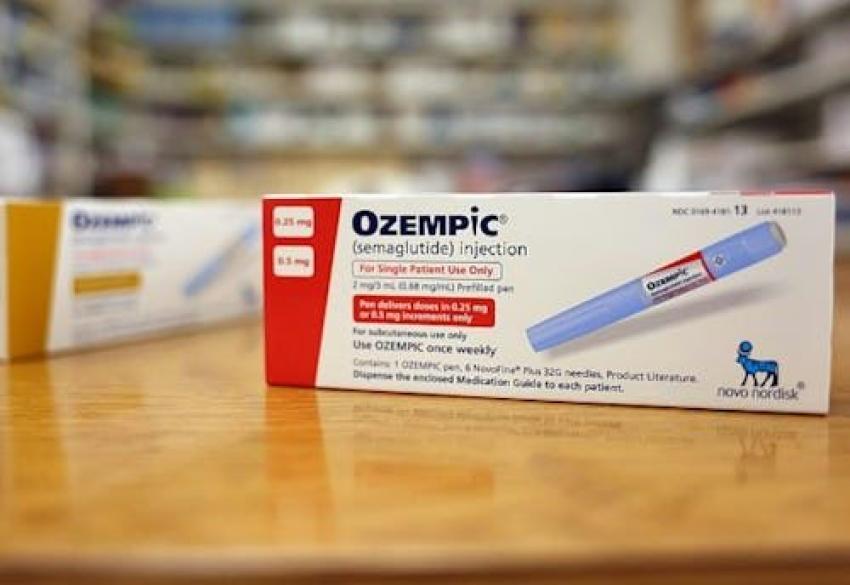
Semaglutide is often started with a short-term mindset, yet the clinical reality is that treatment typically continues for months, and sometimes longer. Understanding what long-term use involves helps patients plan financially, anticipate monitoring needs, and make informed decisions about duration. This article explains the long-term picture for Ozempic injection in Dubai, including what changes over time and what stops being true.
Why Duration Is a Clinical Decision
There is no universal stop date for semaglutide. Duration depends on the indication being treated, your response, your tolerability, and your overall health. A patient managing type 2 diabetes may remain on treatment long term, while someone using it for weight management may have a defined review point at which continuation is reassessed.
What matters is that the decision is reviewed rather than defaulted. Treatment should not continue simply because it was started.
The Titration Phase Versus Maintenance
The first months involve dose escalation. This is a distinct phase with its own demands: tolerability monitoring, nutritional attention, and frequent review.
Once a stable dose is reached and side effects have settled, treatment enters maintenance. This phase is quieter. Reviews may be spaced further apart, and the focus shifts to sustaining habits, monitoring metabolic markers, and watching for any longer-term effects.
Patients sometimes mistake the calm of maintenance for a signal that monitoring is no longer needed. It remains important, just less frequent.
Ozempic injection in Dubai: What Changes Over Time
Several things shift with prolonged use. Appetite suppression may feel less dramatic as patients adapt to the new baseline, even though the effect persists. Weight loss typically slows and plateaus, which is expected rather than a sign of failure.
Nutritional priorities become more important, not less. Sustained reduced intake over months can affect muscle mass and micronutrient status if protein and overall diet quality are neglected.
Some patients report that the practical routine becomes easier: injection technique is automatic, meal planning is habitual, and reviews feel routine.
Monitoring During Long-Term Treatment
Ongoing monitoring typically includes review of side effects, weight trajectory, and metabolic markers where relevant. Blood tests may be repeated at intervals, particularly for patients with diabetes or kidney concerns.
Clinicians also watch for issues that can emerge or worsen over time, including gallbladder disease and, in patients with diabetes, diabetic retinopathy. These are not reasons to avoid treatment, but they are reasons for structured follow-up.
Ozempic injection in Dubai: The Muscle Mass Question
One of the more important long-term considerations is body composition. Weight loss achieved through reduced intake alone can include loss of lean mass. This is why protein intake and resistance exercise are consistently emphasised.
Patients who maintain strength training and adequate protein generally preserve muscle more effectively. This should be discussed explicitly during long-term care rather than left to chance.
What Happens When Treatment Stops
This is the question patients ask most often, and it deserves a direct answer. Appetite effects reverse when semaglutide is discontinued. Without a maintenance plan, weight regain is common.
That does not mean stopping is inadvisable. It means stopping should be planned. A structured transition—sustaining nutritional habits, activity, and periodic review—improves the likelihood of maintaining progress.
Some patients and clinicians consider extended or intermittent use depending on circumstances. These decisions require individual assessment.
Cost as a Long-Term Factor
Long-term treatment means ongoing monthly cost. Patients should assess whether the commitment is sustainable over the likely duration before starting, rather than discovering mid-course that it is not.
Transparent clinics explain how cost changes with dose and what reviews include. At Tajmeels Clinic in Dubai, duration and cost are discussed together so patients can plan realistically.
Safety Considerations Over Time
The safety profile observed in longer-term use is broadly consistent with shorter-term data, with gastrointestinal effects remaining most common. Rare serious events continue to warrant awareness rather than alarm.
Patients should continue reporting new symptoms rather than assuming they are unrelated to treatment. Long-term care works best when communication remains open.
Questions to Revisit Periodically
Is continued treatment still appropriate for my goals?
Are my protein intake and activity supporting muscle preservation?
Have my monitoring intervals been reviewed?
Is the cost still sustainable?
What would a planned transition look like if I chose to stop?
Concluding Thoughts
Long-term use of Ozempic injection in Dubai is a structured clinical pathway rather than an indefinite prescription. It involves maintenance dosing, periodic monitoring, attention to body composition, and planned decision points about continuation. Patients who understand this from the outset tend to make better-informed choices and experience fewer surprises. Duration is not a fixed number; it is a decision that evolves with your health.
Ready to Begin Your Transformation?
Get in touch with us today to explore exclusive offers and find the right treatment for you!
WhatsApp: +971 56 203 8751
Phone: +971 4 373 9000