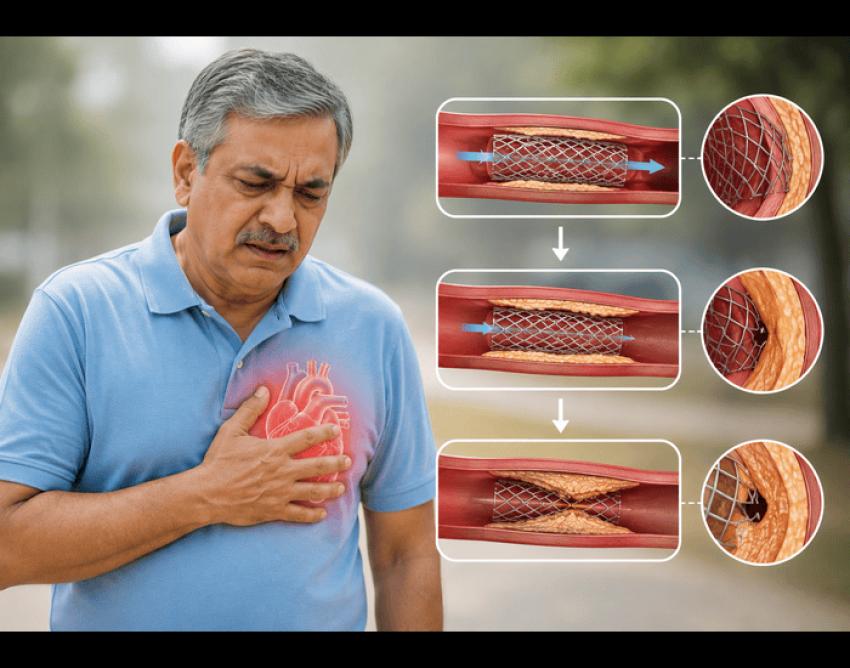
Heart stents serve an essential purpose by reconstructing coronary blood flow after cardiac incidents take place. The operations are an important concern because stent restenosis can develop when arteries become narrowed again, which increases the potential for related health problems. Taking steps in advance to manage heart health will substantially lower the chances of artery restenosis. A detailed manual exists below to preserve stent operability together with cardiac health.
Understanding Stent Restenosis
A heart attack occurs when blood flow to the heart muscle is blocked, leading to tissue damage. Many patients undergo stent placement to restore circulation and prevent future cardiac events. However, a significant concern after this procedure is stent restenosis, where scar tissue or plaque buildup causes the artery to narrow again. Several factors contribute to this condition:
• Excessive tissue growth inside the stent
• Persistent high cholesterol and inflammation
• Poor medication adherence
• Lifestyle habits such as smoking and lack of exercise
Monitoring of heart health needs special attention for individuals who carry several heart disease risk factors.
Key Lifestyle Changes to Reduce the Risk
The safety and stability of the cardiovascular system depend on dietary choices that reduce the risk of stent restenosis and support overall heart health. Eating a nutritious diet combats inflammation and clears the arteries' pathways. Consider the following dietary changes:
• Increase fiber intake: A person should consume oats and fruits and vegetables because they decrease dangerous cholesterol levels in the body.
• Reduce saturated fats: Limit your consumption of red meat along with fried foods and full-fat dairy choices.
• Incorporate heart-friendly fats: Olive oil, along with nuts and avocados, forms a heart-healthy diet.
• Control sodium intake: The increased quantity of sodium in your diet leads to elevated blood pressure, which increases your chances of arterial damage.
Regularly filling your plate with lean proteins, whole grains, and healthy fats from a Mediterranean-style diet improves long-term heart protection.
The Role of Medication in Preventing Restenosis
Doctors routinely prescribe medication treatments after stent placement as a means to prevent stent restenosis. These include:
• Antiplatelet drugs (e.g., aspirin, clopidogrel): Stents require medication to stop blood clots from growth in the device.
• Cholesterol-lowering statins: Drugs help both reduce plaque formation and stabilize existing plaque formations.
• Blood pressure medications: Medications help maintain arterial relaxation and create continuous, smooth blood circulation.
Following your doctor's instructions about medication requires absolute discipline during recovery. Not following medical advice by missing doses or halting medication can result in complications that increase the probability of what happens in a heart attack. People who experience medication side effects must consult with their physician instead of randomly stopping drugs on their own.
Takeaways
The prevention of stent restenosis depends on three elements: lifestyle modifications, prescribed medication regimens, and active monitoring by medical providers. Patients who keep their diet heart-friendly while exercising regularly and manage their conditions under medical supervision at yearly appointments significantly lower their risk.
Proper understanding about what happens in a heart attack processes enables people to choose better actions to protect their heart health. Each wellness decision made by individuals leads to better overall health along with potential heart health complications that lead to stent restenosis. Taking deliberate actions at present moment builds stronger cardiovascular health while enhancing physical and mental well-being.