Children with complex medical needs often experience respiratory difficulties alongside conditions affecting other parts of their health. Recurrent chest infections, persistent coughing, difficulty clearing airway secretions and breathing complications can make their care particularly challenging. Some children may also require specialised respiratory support, including non-invasive ventilation or tracheostomy-based breathing assistance as part of their long-term care.
For parents and caregivers, understanding these complications and knowing when further assessment by a children’s doctor is needed can make a significant difference.
Why Are Respiratory Problems More Common in Children with Complex Medical Needs?
Children with neurological, neuromuscular or genetic conditions may experience difficulties with breathing, swallowing and clearing mucus from their airways. Weak cough strength, aspiration and reduced mobility can increase the risk of respiratory infections and other lung complications.
For some children, these problems require ongoing monitoring rather than treatment during occasional illnesses alone.
What Respiratory Support Might a Child Need?
Treatment depends on the underlying condition and the child's breathing needs. Common approaches include:
● Airway clearance techniques: Physiotherapy and specialised techniques help loosen and remove mucus from the lungs.
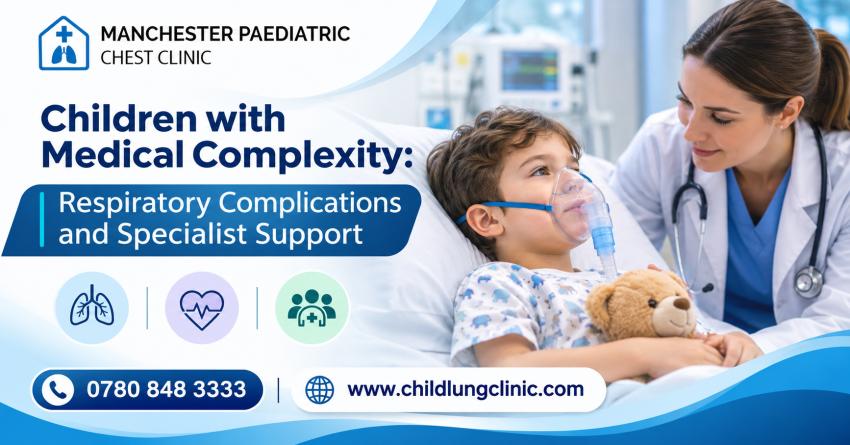
● Non-invasive ventilation (NIV): A breathing machine delivers support through a mask, helping children who need assistance with ventilation.
● Tracheostomy and invasive ventilation: Some children require a tube placed directly into their airway to support breathing.
These interventions require individual assessment, appropriate equipment and ongoing clinical supervision.
What Does Caring for a Child Using Respiratory Technology at Home Involve?
Bringing respiratory equipment into the home changes everyday family routines. Caregivers may need training in equipment operation, airway clearance, recognising breathing difficulties and responding to emergencies.
A safe home-care plan should also address equipment maintenance, backup arrangements, emergency contacts and coordination with specialist nursing teams.
When Breathing Problems Keep Returning, It's Time to Look Beyond the Symptoms
Sometimes, the bigger concern isn't a single episode of coughing or breathlessness. It's the pattern that develops over time. A child may recover from one infection but struggle with another soon afterwards. Others may continue experiencing breathing difficulties despite following their prescribed treatment.
If your child's breathing difficulties keep returning, consulting a private paediatrician near you can help you understand whether a more specialised respiratory assessment is needed.
At Manchester Child Lung Clinic, their private paediatrician brings years of paediatric respiratory experience to the assessment of conditions such as cystic fibrosis, bronchiectasis, asthma and persistent cough. Parents can enquire about a consultation to discuss their child's symptoms, review previous investigations and understand whether further assessment or referral to a specialist hospital team may be appropriate
Frequently Asked Questions
1. Can children with medical complexity develop swallowing-related respiratory problems?
Yes. Swallowing difficulties can allow food or liquid to enter the airway, increasing the risk of aspiration and respiratory complications.
2. Does every child using a ventilator need a tracheostomy?
No. Some children receive non-invasive ventilation through a mask, while others require invasive ventilation through a tracheostomy. The choice depends on individual clinical needs.
3. What support do parents need when bringing respiratory equipment into the home?
Parents and caregivers need practical training in using respiratory equipment, recognising warning signs and responding to emergencies. A clear care plan, access to private respiratory consultant’s advice and backup arrangements for equipment or power failures are also important for maintaining a safe home-care environment.