Understanding the Potential Side Effects of Vasti Treatment
Vasti, also spelled Basti, is one of Ayurveda’s most respected therapies for relieving chronic pain and balancing Vata dosha. However, the term "Vasti" applies to two distinct treatments: external oil pooling therapies like Griva Basti for the neck, and internal Panchakarma enema therapy. Because both methods involve deep tissue stimulation or detoxification, they require proper clinical assessment. Understanding their potential side effects, safety precautions, and contraindications ensures a smooth, safe, and restorative healing experience.
Side Effects of External Vasti (Griva Basti)
External Vasti therapies are gentle and noninvasive, yet minor complications can still occur if proper clinical protocols are overlooked during treatment. Always communicate with your therapist immediately if you feel excessive heat or discomfort:
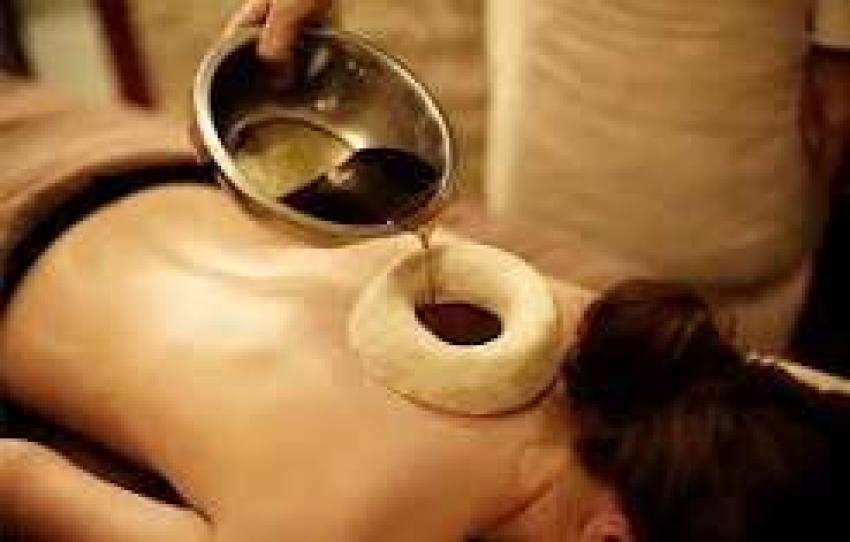
Thermal Burns: Because warm medicated oil sits continuously against the skin, overheating can cause redness, irritation, or superficial burns. A skilled therapist always tests the oil temperature on their wrist before pouring and monitors warmth throughout the session.
Skin Irritation or Allergies: Potent herbal oils or warming spices may irritate sensitive skin. Occasionally, individuals with legume sensitivities react mildly to the black gram (Urad dal) dough ring used to hold the oil.
Aggravation of Acute Inflammation: If neck pain stems from an active infection, high fever, or heavy inflammatory swelling (Ama), applying dense oil and heat may temporarily worsen stiffness or throbbing.
Temporary Soreness or Fatigue: Deep muscular release and increased local blood circulation can leave you feeling briefly lightheaded, drowsy, or mildly sore for a few hours after your session.
Side Effects of Internal Vasti (Panchakarma Enema Therapy)
If your practitioner recommends internal Basti Karma, where herbal decoctions or medicated oils are administered rectally to cleanse the colon and balance systemic Vata, side effects typically arise only when preparatory steps are skipped or the dosage is improper:
Mild abdominal cramping, bloating, or excessive gas shortly after administration
Temporary loose stools or mild dehydration following strong cleansing sessions
Nausea, fatigue, or mild headaches during the detoxification phase
Electrolyte imbalances if strong cleansing decoctions (Niruha Basti) are overused without adequate rest
Localized rectal irritation if the procedure is performed hastily or without proper lubrication
Key Contraindications: Who Should Avoid Vasti?
Always consult a qualified Ayurvedic doctor and avoid Vasti therapies without proper medical clearance if you are pregnant or have any of the following conditions:
Open wounds, cuts, rashes, or active skin infections over the treatment area
Active fever, acute flu, or systemic viral infections
Recent spinal fractures, slipped discs needing urgent care, or severe trauma requiring surgical stabilization
Uncontrolled high blood pressure or severe vertigo during prone neck treatments
When tailored to your unique constitution and administered by a certified practitioner, Vasti therapy carries minimal risk. Sharing your full medical history, current medications, and allergies beforehand is the best way to stay safe, prevent unwanted reactions, and achieve deeply restorative healing results.