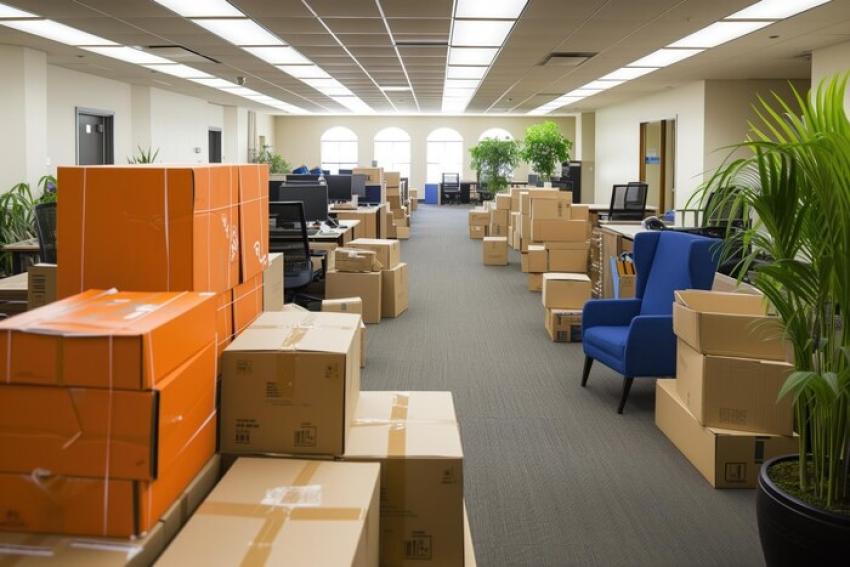
Moving your business to a new office is a big job. There are desks, computers, files, staff, and other items to move. At the same time, you need to keep your business running. Good planning can make the whole process much easier.
If you are planning an office removal in Dublin, it is best to start early. Dublin traffic, parking, building access, and loading areas can affect moving day. A clear plan will help you save time, protect your items, and reduce stress.
Start Planning Your Office Move Early
Do not leave everything until the last week. Start planning your office removal several weeks before the move. Larger businesses may need even more time.
Choose your moving date and make a simple plan. Add important jobs such as packing, moving furniture, setting up computers, cleaning, and handing back your old office.
Put Someone in Charge
Choose one person or a small team to manage the move. They can speak with staff, movers, landlords, and IT workers.
This makes your removal easier to control. Staff will also know who to speak to if they have a question about the move.
Visit Your New Office Before Moving
Visit your new workplace before moving day. Check the doors, stairs, lifts, parking areas, and loading spaces. Make sure large desks and other furniture can fit through the building.
Access is important when planning an office removal. Some busy Dublin streets have limited parking. Some buildings may also have rules about when moving vans can use loading areas.
Plan Where Everything Will Go
Create a simple plan for your new office. Decide where desks, chairs, printers, storage units, and meeting tables will go.
Give each room or area a name or number. Put the same name or number on each box. This helps the removal team place items in the right area.
Clear Out Things You Do Not Need
There is no reason to move items your business no longer uses. Before packing, check desks, cupboards, storage rooms, and filing areas.
Old furniture can be sold, donated, recycled, or stored. Papers that are no longer needed should be destroyed safely if they contain private information.
Removing unwanted items can reduce the size of your office removal. It also means you will have less to unpack in your new workplace.
Pack Office Equipment Safely
Office equipment can be costly, so it needs to be packed with care. Computers, screens, printers, phones, and other electronics should have good protection.
Back up important files before you disconnect computers. Use strong moving boxes and protective materials for fragile equipment.
During an office removal, keep cables with the correct computers and devices. You can put them in labelled bags to make setting up the new office easier.
Label Every Box Clearly
Clear labels can save a lot of time. Write the department, contents, and new room on each box.
For example, you could write "Accounts – Files – Room 2". This is much more useful than simply writing "Office".
Good labels help the removal team know where everything should go. They also make unpacking faster.
Keep Your Staff Informed
Tell employees about the move as early as possible. Share the moving date, new address, packing plan, and important deadlines.
Explain what each person needs to pack. Staff should also know when computers will be turned off and when they can start working from the new office.
Clear communication can make an office removal less stressful. It also helps everyone prepare for the change.
Reduce Business Downtime
Your business may still need to serve customers while you are moving. Think about how you can keep important work going.
Some employees may be able to work from home during the move. You could also move one department at a time instead of moving everyone at once.
When planning an office removal, think about travel times and busy periods too. Choosing the right moving time may help you avoid delays.
Tell Customers About Your New Address
Make sure customers and suppliers know that you are moving. Tell them your new address and the date when you will start working there.
Update your website, email signatures, invoices, social media pages, business directories, and Google Business Profile when needed.
Plan for Dublin Traffic and Parking
Dublin can be busy, so plan your moving route before the day. Check parking and loading rules at both your old and new offices.
If you are moving from a busy part of the city, speak with the building manager about access. You may need to book a lift or loading space.
Good local planning can make your office removal quicker and reduce delays.
Check Everything Before You Leave
Before leaving your old office, check every room. Look inside cupboards, drawers, kitchens, meeting rooms, and storage areas.
At your new office, check that the power, internet, phones, lights, and security systems work. Your staff will find it easier to return to work if these services are ready.
A final check is a simple but important part of any office removal.
Conclusion
Moving a business takes time and careful planning. You need to think about furniture, computers, staff, documents, customers, transport, and your new workplace.
Starting early can make your office removal much easier. For an office removal in Dublin, it is also important to plan for traffic, parking, loading areas, and building access.