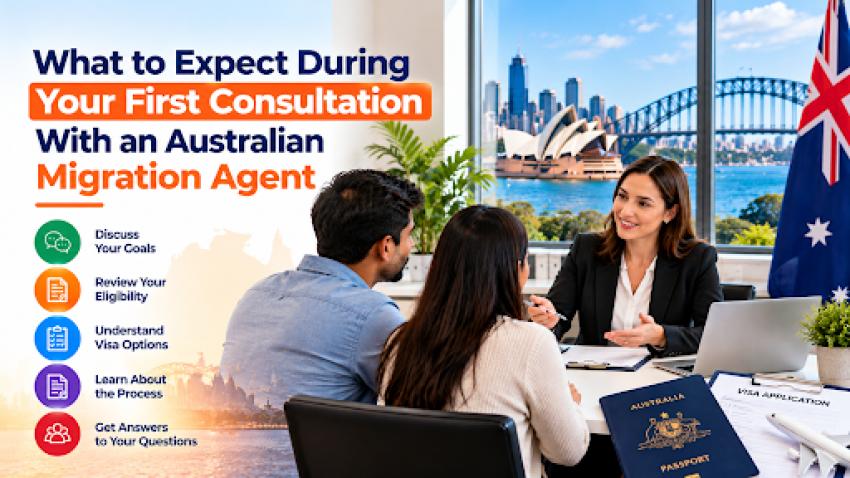
Planning to move to Australia for work, study, or permanent residency can feel confusing, especially if you are applying for a visa for the first time. You may have questions about eligibility, visa requirements, processing times, and the documents you need to prepare.
A first consultation with an Australian migration agent can help you understand your options and decide on the next steps. Whether you are considering a skilled visa, employer-sponsored visa, student visa, or permanent residency pathway, knowing what happens during the consultation can help you feel more confident.
In this guide, we explain what to expect during your first migration consultation and how to prepare for it.
1. Understanding Your Immigration Goals
The first part of a migration consultation usually focuses on your personal circumstances and immigration goals. The migration agent may ask why you want to move to Australia, what type of visa you are considering, and whether you have applied for an Australian visa before.
You may discuss your education, employment history, family situation, English-language skills, and long-term plans.
For example, a skilled professional may want to explore permanent residency, while an international student may need information about student visa requirements.
Before your appointment, consider researching Australian immigration advice and visa assistance services to understand the types of support that may be available.
2. Reviewing Your Visa Eligibility
One of the most important parts of your first consultation is discussing which visa options may suit your circumstances.
A registered migration agent may review factors such as your age, qualifications, occupation, work experience, English proficiency, and family circumstances, depending on the visa category.
For skilled migration applicants, the discussion may include the Skilled Independent visa (subclass 189), Skilled Nominated visa (subclass 190), or Skilled Work Regional (Provisional) visa (subclass 491).
If you are interested in employer-sponsored migration, the agent may ask about your occupation, employment offer, and relevant experience.
Remember that an initial consultation does not guarantee visa eligibility or approval. The final outcome depends on the applicable immigration rules and the Department of Home Affairs.
3. Discussing the Required Documents
Your migration agent may explain which documents you need to prepare for your chosen visa pathway.
Common documents can include:
A valid passport and identity documents
Educational certificates and transcripts
Employment references and work experience records
English-language test results, if required
Skills assessment documents, where applicable
Marriage or birth certificates, if relevant
Previous visa records and immigration correspondence
You may not need every document during your first meeting. However, bringing the documents you already have can help the agent understand your circumstances more accurately.
Ask whether documents need to be translated into English or certified before submission.
4. Understanding the Visa Application Process
Another important topic is the complete visa application process. The migration agent may explain the stages involved, from checking eligibility to preparing documents and submitting an application.
Depending on your visa type, the process may involve a skills assessment, an Expression of Interest (EOI), state nomination, sponsorship, or an invitation to apply.
Not every visa follows the same process, so ask the agent to explain the steps relevant to your situation.
You should also discuss possible delays, requests for additional information, and your responsibilities as an applicant. Understanding the process early can help you prepare more effectively.
5. Asking About Migration Agent Fees
Before hiring a migration agent, make sure you understand the cost of their services.
Ask whether the initial consultation is free or paid and whether the consultation fee will be deducted from any future professional fees.
You should also request information about the total estimated cost of assistance. Depending on the services required, expenses may include professional fees, government visa charges, medical examinations, English tests, and skills assessments.
A reliable migration professional should explain the fees clearly and provide a written service agreement before undertaking agreed work.
Avoid choosing an agent based only on price. Compare their experience, services, communication, and registration status as well.
6. Discussing Possible Challenges and Risks
Your first consultation is also an opportunity to discuss possible problems with your immigration plans.
For example, you may need additional work experience, a suitable skills assessment, a higher English-language test score, or further supporting documents.
If you have previously received a visa refusal or have a complicated immigration history, explain this honestly during the meeting.
A migration agent should provide realistic information about potential challenges and explain what options may be available. Be cautious of anyone who guarantees visa approval or promises a specific outcome.
7. Learning About Communication and Follow-Up
Before deciding to work with an immigration consultant, ask how communication will be managed throughout your application.
Find out who will handle your case, how often you can expect updates, and how you can ask questions if your circumstances change.
You should also clarify whether the agent will prepare and submit your application, respond to relevant requests, and explain important correspondence.
Clear communication helps you understand your responsibilities and reduces the risk of missed information or misunderstandings.
8. Preparing for Your Consultation
A little preparation can make your first migration consultation more useful.
Before your appointment, write down your immigration goals, prepare a summary of your education and employment history, and collect any relevant documents.
You can also prepare questions such as:
Which visa options may suit my circumstances?
What eligibility requirements should I meet?
What documents should I prepare first?
What are the estimated professional fees?
What challenges could affect my application?
What should I do after the consultation?
If you live in the Northern Territory, you may also explore migration agent services and visa guidance in Darwin to learn about assistance relevant to your location and immigration plans.
Conclusion
Your first consultation with an Australian migration agent is an opportunity to understand your visa options, discuss your eligibility, review document requirements, and learn about the application process.
Prepare your information in advance, ask clear questions, and make sure you understand the professional fees and services offered. Most importantly, verify the agent's registration through the appropriate official register and avoid anyone promising guaranteed visa approval.
With the right preparation and reliable guidance, you can make more informed decisions about your Australian immigration journey.