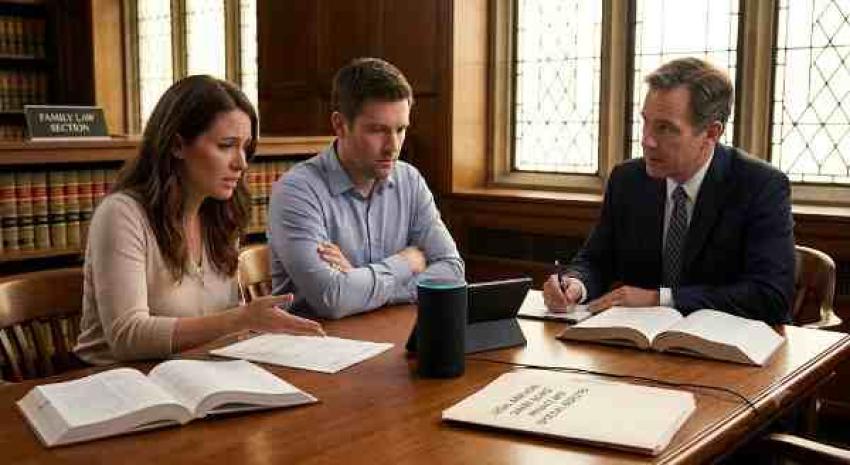
Smart devices have become part of everyday family life. Smartphones, smart speakers, security cameras, fitness trackers and connected home appliances help couples manage their routines and stay in touch. However, these devices also collect personal information, sometimes without users fully understanding how much data is recorded or who can access it.
When a marriage faces difficulties, technology designed for convenience can become a source of mistrust. A shared account may reveal private conversations, a home camera may capture personal activities, or a connected device may expose details about a spouse's daily routine. Such situations raise important questions about consent, privacy and the lawful use of digital information.
In India, these concerns are increasingly relevant to matrimonial disputes. Understanding how smart devices collect information and how the law may apply can help spouses protect their privacy and avoid unnecessary legal complications.
How Smart Devices Collect Personal Information
Smart devices often gather more information than users realise. Smartphones may store location histories, browsing activity, messages and application usage. Smart speakers can process voice commands, while connected cameras may record activity inside or around a home. Fitness trackers can also reveal sleep patterns, exercise routines and other personal details.
Many devices connect to a shared account or cloud service. As a result, information may remain accessible to another household member even after the relationship changes. A spouse may also have access to an account because both partners originally agreed to share passwords or device permissions.
The situation becomes more complicated when one person continues to access information after the other withdraws consent. A shared device does not necessarily mean every record stored on it is available for unrestricted inspection.
Understanding the device settings, account permissions and data sharing arrangements is therefore an important first step in managing privacy within a relationship.
When Shared Devices Become a Source of Conflict
Couples often share technology for practical reasons. They may use a common smart speaker, install a security camera or connect their devices to a family account. These arrangements can work well while both partners understand and accept how the technology operates.
Problems can arise when expectations change. One spouse may use a home camera to check household activity, while the other may feel their privacy is being compromised. Similarly, a person may discover a connected device is recording conversations or retaining information without their knowledge.
In a strained relationship, access to shared technology can also become a means of monitoring behaviour. Repeatedly checking a partner's location, reviewing device activity or using account access to question everyday movements may increase tension.
The legal position depends on the circumstances. Voluntary sharing for a specific purpose is different from secretly accessing private information or using technology to intimidate another person. The purpose of monitoring, the nature of the data and the way it was obtained may all be relevant.
Privacy Rights Between Spouses Under Indian Law
Marriage does not automatically remove a person's right to privacy. In Justice K.S. Puttaswamy (Retd.) v. Union of India (2017), the Supreme Court of India recognised privacy as a fundamental right under the Constitution.
However, applying privacy principles to a particular matrimonial dispute requires careful consideration of the facts. Questions may arise about consent, access to devices, the confidentiality of communications and the purpose for which personal information is being used.
For example, a spouse may know the password to a partner's phone because it was shared for convenience. This does not necessarily establish unrestricted permission to examine private conversations, copy personal files or access confidential accounts.
Similarly, purchasing a smart device for the family does not automatically resolve every question about recording or disclosure. The device's settings, the information collected and the circumstances in which it is used may affect the legal assessment.
Depending on the conduct involved, provisions of the Information Technology Act, 2000, and other applicable laws may also become relevant. Unauthorised access, certain forms of digital misconduct and the disclosure of protected information can raise separate legal concerns.
Can Smart Device Records Be Used in Divorce Proceedings?
Smart devices may produce records which become relevant during divorce or other matrimonial proceedings. These records can include location histories, camera footage, voice recordings, messages and information about device usage.
A spouse might rely on such material to support an allegation or establish a timeline of events. However, the existence of a digital record does not automatically prove the allegation it is intended to support.
For instance, a home security camera may show a person entering a property, but it may not establish the purpose of the visit or the full circumstances surrounding it. Similarly, an automated activity report may contain gaps or errors.
In India, electronic and digital records are governed by the applicable evidentiary framework, including the Bharatiya Sakshya Adhiniyam, 2023, which came into force on 1 July 2024. Admissibility and proof depend on the relevant provisions and the circumstances of the case.
Courts may need to consider authenticity, completeness and the manner in which information was obtained. A record should therefore be assessed alongside other evidence rather than treated as conclusive proof of misconduct.
Spouses should preserve relevant original records where appropriate and avoid editing or manipulating files. If the accuracy of a recording is disputed, technical examination may help establish whether it has been altered or taken out of context.
Smart Devices, Surveillance and Domestic Abuse
Technology can become particularly concerning when it is used to control or intimidate a spouse. Secretly installing a tracking application, accessing connected cameras without permission or using a smart speaker to monitor private conversations may raise serious privacy and safety concerns.
In some situations, digital monitoring forms part of a wider pattern of threats, harassment or coercive behaviour. The legal response depends on the nature of the conduct and the circumstances involved.
The Protection of Women from Domestic Violence Act, 2005, provides remedies in circumstances covered by the Act. Whether technology based monitoring is relevant to a claim under the Act depends on the facts and the applicable legal provisions.
A person who suspects they are being monitored should consider their safety before changing device settings or confronting the other spouse. Disabling access may alert someone who is monitoring the account. Where there is a risk of retaliation, using a trusted device and obtaining confidential support may be a safer first step.
Protecting Personal Information After Separation
When a relationship breaks down, spouses should review the technology arrangements established during the marriage. Shared passwords, cloud accounts, connected cameras and family tracking applications may continue to provide access to personal information.
Reviewing account permissions and changing passwords where appropriate can help prevent unwanted access. Users should also check which devices are connected to their accounts and whether old phones or tablets still retain access.
However, these steps should be taken with care if there is a risk of abuse or retaliation. A person should consider a safe plan before making changes which could alert the other party.
It is also important to avoid retaliatory surveillance. Accessing a spouse's accounts, copying private recordings or publishing personal information to gain an advantage in a dispute may create further legal problems.
People facing complex privacy concerns can consult experienced family law attorneys to understand their rights, assess the relevance of digital records and determine appropriate steps under the applicable law.
The Importance of Legal Guidance in Technology Related Disputes
Smart device disputes can involve several overlapping issues, including privacy, electronic evidence, domestic abuse and matrimonial proceedings. The appropriate response depends on what information was collected, whether consent was given and how the data has been used.
Legal advice can help establish whether particular records may be relevant to a case and how they should be preserved. It can also help individuals distinguish between lawful access to shared information and conduct which may infringe another person's rights.
For individuals dealing with connected device or digital privacy concerns during matrimonial disputes in Mumbai, Mumbai matrimonial lawyers can explain the relevant legal framework and available options based on the circumstances.
Conclusion
Smart devices offer convenience, but they can also create privacy risks within a marriage. Shared accounts, connected cameras and location tracking tools may expose personal information, especially when a relationship becomes strained.
Indian law recognises privacy as an important right, while evidentiary rules determine how electronic records may be considered in legal proceedings. The use of a smart device does not automatically make its records reliable, nor does access to a shared account necessarily permit unrestricted monitoring.
Spouses should understand their device settings, respect consent and handle digital information responsibly. When monitoring becomes intrusive or personal records are used in a dispute, careful evidence preservation and appropriate legal advice can help protect privacy while ensuring the matter is addressed through the proper legal process.