Most people judge a hair transplant by the machine used or the clinic’s certifications. Those matter, but they aren’t what decides how your hair looks five or ten years from now. Where and how each graft is placed matters far more. If grafts go in at the wrong angle, direction, or density, the result can look obvious, and fixing it later is harder than getting it right the first time. That’s why many patients start by speaking with an experienced hair transplant doctor in Delhi before committing to anything.
What Happens When Grafts Are Placed Badly?
1. The hairline looks fake.
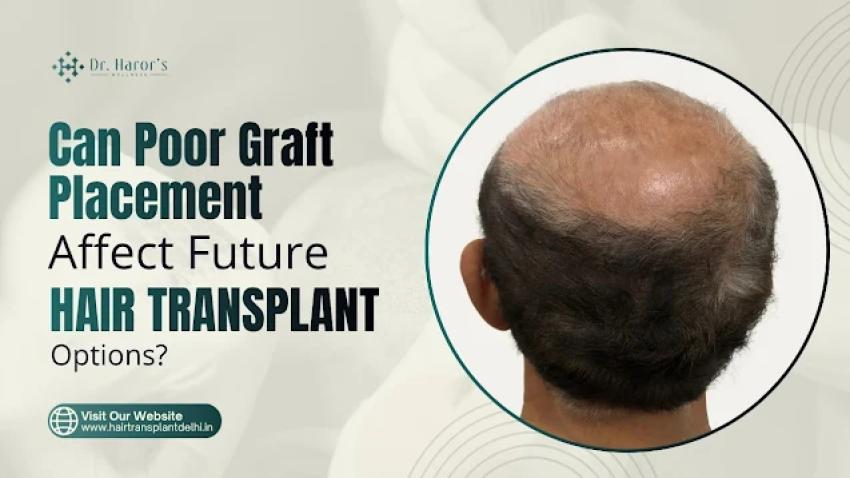
A natural hairline isn’t a straight, sharp edge. It’s soft and slightly uneven, with fine single hairs at the front and thicker grafts behind. When grafts are angled wrongly or packed too tightly at the front, the result often looks like a “pluggy” line that people notice from across the room. A skilled hair transplant doctor in Delhi plans this design before the first graft is taken.
2. Donor hair gets wasted.
Everyone has a limited supply of donor hair, usually from the back and sides of the scalp. Once those follicles are used, they’re gone. Careless placement or rough handling of grafts can mean follicles that never grow, or that get spent on areas that didn’t need them yet. A well-planned procedure spreads grafts where they’ll make the biggest difference and keeps some in reserve.
3. Future treatment becomes harder.
Transplanted hair usually holds up well against pattern hair loss, but the hair around it can keep thinning. If too much was harvested the first time, there may not be enough donor hair left to cover those new areas later. Overharvesting can also leave the donor zone looking sparse, which limits your choices even further.
How to Keep Your Future Options Open
Good planning at the start protects you in the long run. A few things help:
Pick the surgeon first, not the price. Look for someone with a real track record in hairline design, graft handling, and placement, and ask how many procedures they personally perform.
Talk to a dermatologist about your hair loss. Knowing why you’re losing hair, and how fast, helps shape a plan that accounts for what your scalp may look like in the future, not just today.
Look closely at before-and-after photos. Pay attention to the hairline, the density, and the angles. Check that the results look natural from different views, not just one flattering shot.
Ask about the long-term plan. A good surgeon will tell you how many grafts they’re using now, how many they’re saving, and what a second session might involve.
When you’re searching for the best hair transplant clinic in Delhi, don’t let discounts and package deals steer you. Look at the doctors’ qualifications, how openly they answer your questions, how they handle hygiene, and what follow-up care they offer after surgery. Those things say more about your eventual result than any offer will.
Final Thoughts
Poor graft placement can change how your transplant looks and narrow your choices for future procedures. How serious the damage is depends on your donor supply, the condition of your scalp, any earlier grafts, and whether your hair loss is still progressing.
If you’re looking for a hair transplant doctor in Delhi, Dr Haror’s Wellness is worth considering. The clinic is led by experienced dermatologists who focus on natural-looking results, patient comfort, and strict hygiene and safety standards throughout the procedure. For anyone comparing options for the best hair transplant clinic in Delhi, a consultation there is a practical way to understand what’s realistic for your hair.