When you start shopping for a diamond ring, the financial advice usually comes down to one loud voice telling you to blow the budget on the centerpiece stone and another whispering that the mounting barely matters. People talk about the four Cs until their eyes glaze over. They debate color grades and fluorescence and table percentages like amateur gemologists. Yet almost nobody prepares you for the moment you actually have to decide where your hard earned cash goes. Do you dump your savings into an elaborate, heavily engineered platinum pavé halo or do you save your money on a simpler setting so you can afford a better stone?
The truth is that the choice between the setting and the metal and the stone is much more nuanced than traditional jewelry store wisdom implies. Your ring needs to survive daily life. It needs to hold a very expensive, very vulnerable piece of carbon securely while matching your personal aesthetic for the next fifty years.
Let us break down why this decision is far more complex than a simple matter of high versus low spending.
The Structural Reality of Women's Engagement Rings
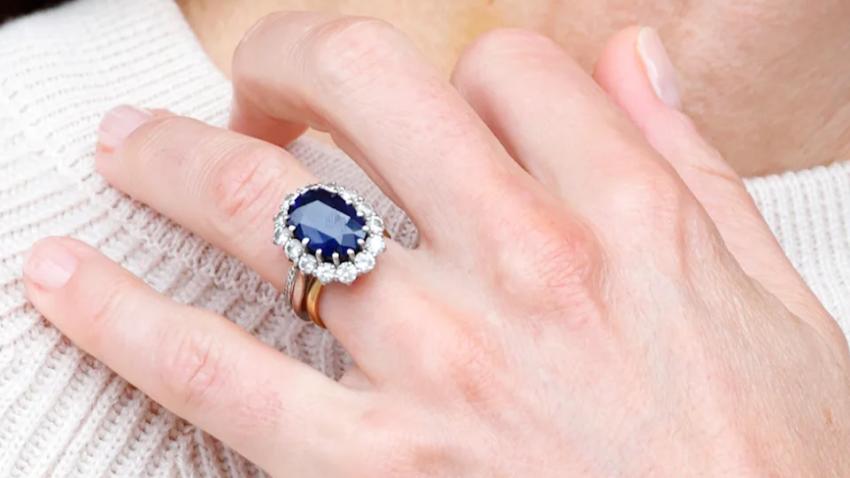
When looking at typical women's engagement rings, the setting is not just a pretty frame. It is an architectural cage designed to protect a precious gem from the hazards of typing on a keyboard, carrying groceries, and working out.
If you spend all your money on a massive center diamond and skimp on the mounting by buying something paper thin or poorly cast, you are asking for trouble. A cheap, flimsy prong setting can bend or wear down over time. When prongs weaken, diamonds fall out. Replacing a lost center stone because you wanted to save a hundred dollars on the basket or shank is a heartbreak nobody needs.
On the flip side, paying thousands extra for complex designer names or intricate multi stone micro pavé work can drain your bank account for metal and tiny accent stones that carry almost zero resale value. Those tiny accent stones on the band might look stunning in the showcase, but they are notoriously easy to lose and expensive to replace when they pop out during everyday wear.
A smart middle ground usually involves investing in a sturdy, well made setting cast in a durable metal like platinum or 14k gold with a secure head, rather than paying for brand prestige or excessive ornamentation that compromises structural integrity.
Shifting Perspectives on Men's Engagement Rings
The conversation changes quite a bit when you look at men's engagement rings. Because men's bands traditionally favor wider bands, bezel settings, or flush mountings rather than high profile prongs holding a protruding solitaire, the structural focus is entirely different.
For men, the debate is less about protecting a dangling stone and more about material durability versus comfort. Do you spend big on rare meteoritic iron, Damascus steel, or heavy platinum, or do you go with classic yellow gold or modern tungsten?
A heavy platinum band will scratch and develop a patina over time, which many people love because it tells a story, but it also carries a hefty price tag. Alternative metals like tungsten are virtually scratch proof and very budget friendly, but they cannot be resized if your fingers change size over the years. Balancing the cost of the material with the practical realities of daily wear requires looking past the marketing hype of modern jewelry brands.
The Financial Trap of High End Mountings
Jewelry stores make a massive profit margin on designer settings. When you buy a heavily branded mounting, you are often paying a luxury tax that disappears the second you walk out the door. Unlike certified diamonds, which have a somewhat standardized global market value, designer settings rarely hold their value on the secondary market.
If your priority is long term financial prudence, keeping the setting relatively simple and classic is usually the smartest move. A timeless solitaire or a clean bezel setting uses less metal, requires less labor, and directs the maximum amount of your budget toward the diamond itself, which represents the true portable asset.
However, if your partner cares deeply about artistic flair, vintage milgrain details, or a very specific custom architectural look, forcing them into a plain solitaire to save a buck can dampen the emotional impact of the proposal. The compromise here is finding independent bench jewelers who can custom create high quality work without the inflated retail markup of major luxury houses.
Finding Your Personal Balance
Deciding how to allocate your funds comes down to understanding your own lifestyle risks. If you work with your hands or live an active outdoor lifestyle, a high setting with a massive stone is a liability no matter how much you spend on it. You would be much better off investing in a low profile bezel setting that protects the stone while keeping costs manageable.
If you sit at a desk all day and want maximum visual sparkle, you can afford to lean into a slightly more delicate design, provided the structural craftsmanship is still solid.
Take a step back from the arbitrary rules handed down by the jewelry industry. Look at your savings account, look at your daily habits, and choose the path that gives you peace of mind rather than financial anxiety. After all, the symbol matters infinitely more than the price tag attached to the metal.