Patients today are more involved in their healthcare decisions than ever before. Before choosing a dental treatment, many patients want to understand their condition, available options, expected outcomes, and the reasons behind a dentist’s recommendations.
In biological dentistry, patient education plays an important role because many treatment decisions involve multiple factors rather than a single procedure. The Biodentistry 3.0 Framework emphasizes a more informed approach to dental care, where patients are guided to better understand their treatment choices and actively participate in their care journey.
Clear communication helps patients understand their options, make informed decisions, and develop greater confidence in the treatment process.
Here, we will learn why patient education is critical in biological dentistry and how it helps patients make informed decisions about their dental care.
Helping Patients Understand Their Dental Conditions
Many patients visit a dental clinic with limited knowledge about their condition. They may understand that they have a problem, but they may not fully understand:
- What caused the issue
- Why a specific treatment is recommended
- What alternatives are available
- What factors can affect the outcome
Patient education allows dentists to explain these areas in a simple and understandable way. When patients understand their dental condition, they are more likely to follow treatment recommendations and make decisions based on knowledge rather than uncertainty.
Building Trust Through Transparent Communication
Trust is a major part of the dentist-patient relationship. Patients often feel anxious when they do not understand what will happen during treatment. Explaining procedures, materials, timelines, and expected results can reduce uncertainty and create confidence.
Effective patient education includes:
- Explaining treatment options clearly
- Answering patient concerns
- Discussing benefits and limitations
- Providing realistic expectations
When communication is transparent, patients feel more comfortable participating in their treatment decisions.
Supporting Informed Treatment Decisions
Dental care often involves multiple possible approaches. Patients need enough information to understand why one option may be recommended over another. Education helps patients evaluate:
- Different treatment approaches
- Long-term considerations
- Maintenance requirements
- Recovery expectations
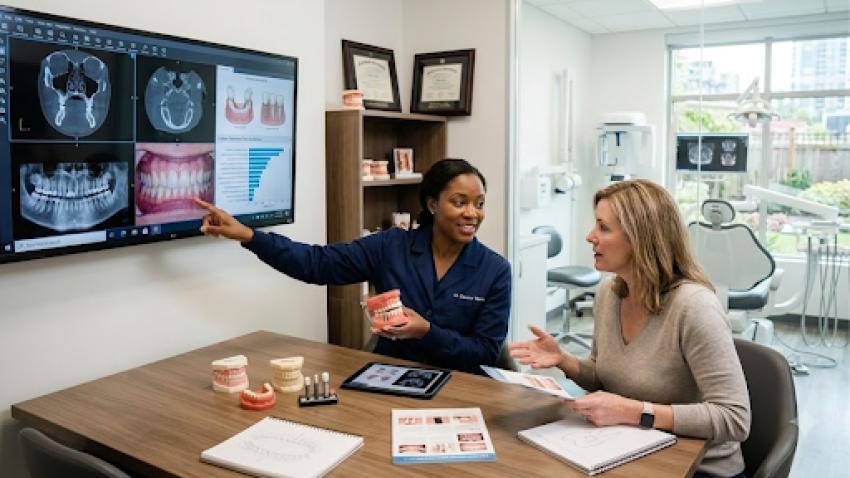
A dentist’s role is not only to recommend a treatment but also to help patients understand the reasoning behind that recommendation. This approach creates a collaborative decision-making process where patients and dentists work together.
Improving Patient Engagement Before and After Treatment
Patient education is valuable throughout the entire treatment journey. Before treatment, education helps patients prepare mentally and understand what to expect. During treatment planning, it helps patients evaluate available options.
After treatment, education supports proper care and helps patients maintain their results.
A well-informed patient is more likely to stay engaged with their oral health and follow recommended care practices.
Helping Patients Understand Preventive Dental Care
Many patients seek dental care only when they experience discomfort or visible problems. Education helps shift the focus from reacting to problems toward preventing future issues. Dentists can educate patients about:
- Regular dental care
- Lifestyle factors affecting oral health
- Importance of early intervention
- Maintaining healthy habits
Preventive education helps patients take more responsibility for their oral health.
The Role of Dentists as Educators
Modern dentistry requires dentists to take on the role of educators as well as clinicians. Patients increasingly search for information before appointments and want detailed explanations about their care.
Dentists who communicate clearly can help patients:
- Understand complex information
- Feel confident about treatment choices
- Develop realistic expectations
- Build long-term trust
Patient education is therefore not just a communication skill; it is an important part of delivering quality dental care.
How Education Improves the Overall Patient Experience
A positive dental experience depends on more than successful treatment. Patients also value feeling heard, respected, and involved. Education improves the patient experience by creating:
- Better communication
- Greater confidence
- Stronger relationships
- Improved understanding of care decisions
When patients understand their treatment journey, they are more likely to feel comfortable and engaged.
Conclusion
Patient education is an essential part of biological dentistry because it helps patients understand their dental care and make informed decisions. Clear communication allows dentists to explain treatment options, address concerns, and create stronger partnerships with their patients.
As dentistry continues to evolve, educating patients will remain an important part of providing personalized and effective care. By helping patients understand their choices, dentists can create a more transparent, collaborative, and patient-focused treatment experience.