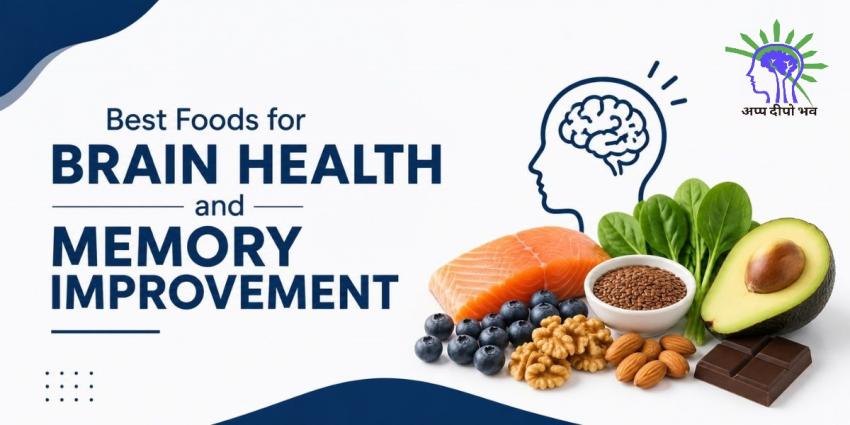
As we age, maintaining sharp memory and protecting brain health becomes increasingly important. Eating a balanced diet rich in the right nutrients supports brain function and general well-being. While no single food can completely prevent memory loss, certain foods provide nutrients that support a healthy brain. This blog focuses on the best diet for cognitive health, including fatty fish and other brain-friendly foods.
Top Food for Memory: Fatty Fish
What is the number one food for memory? There is no scientifically established number one food. However, fatty fish ranks among the nutritious choices for brain health. Fatty fish like mackerel, salmon, sardines and trout contain high levels of omega-3 fatty acids. These fats support normal brain development and function. Omega-3s, particularly DHA (docosahexaenoic acid) and EPA (eicosapentaenoic acid), contribute to healthy brain cell membranes and signalling. However, eating more fish does not guarantee better memory.
Benefits of Omega-3 Fatty Acids
Omega-3 fatty acids support brain health in several ways:
- Maintaining Brain Cells: DHA forms part of brain cell membranes and supports their normal structure and function.
- Supporting Cell Communication: Omega-3s contribute to processes that allow brain cells to communicate.
- Regulating Inflammation: Omega-3s influence inflammatory responses, although this does not establish that they prevent age-related memory loss.
How Omega-3 Fatty Acids Affect Brain Health
The brain contains significant amounts of DHA, a type of omega-3 fatty acid. It helps maintain healthy cell membranes and normal brain function. Eating fatty fish supplies DHA and EPA as part of a balanced diet. However, taking fish oil regularly does not reliably improve memory or prevent dementia. Research on omega-3s and brain health includes:
- Memory and Concentration: Some studies associate fish consumption with better cognitive health. However, results vary, and a direct memory benefit remains uncertain.
- Age-Related Cognitive Decline: Researchers continue to study whether omega-3 intake influences cognitive decline. Supplements have not consistently shown preventive benefits.
- Mood and Mental Health: Omega-3s contribute to brain signalling. They should not be presented as a guaranteed solution for low mood or brain fog.
Other Brain-Boosting Foods to Include
Apart from fatty fish, several foods provide nutrients needed for normal brain function. Including a variety of these foods helps create a balanced diet.
- Leafy Greens: Vegetables such as spinach and kale provide folate, vitamin K and other nutrients. Broccoli also contributes useful vitamins and fibre.
- Berries: Blueberries, blackberries and strawberries contain flavonoids and other antioxidant compounds. Researchers are studying their potential role in supporting cognitive health.
- Nuts and Seeds: Walnuts, chia seeds and flaxseeds provide plant-based omega-3s. Almonds supply vitamin E, which helps protect cells from oxidative damage.
Plant-based omega-3s differ from those found in fish. The body converts only small amounts into EPA and DHA.
Diet to Improve Cognitive Function
Does diet affect cognitive function? Yes, daily meals provide energy and nutrients that the brain needs to work properly. Frequently eating foods high in added sugar, salt and unhealthy fats can undermine overall health. Over time, poor cardiovascular and metabolic health can also affect brain health. A diet to improve cognitive function includes vegetables, fruits, whole grains, pulses, nuts, seeds and suitable protein sources. These foods contribute to brain health by:
- Meeting Nutritional Needs: A varied diet supplies nutrients involved in normal memory, attention and nervous system function.
- Supporting Heart and Blood Vessel Health: Healthy circulation helps deliver oxygen and nutrients to the brain.
- Supporting Healthy Ageing: Balanced eating contributes to long-term health, although it cannot guarantee protection against cognitive decline.
Mediterranean and MIND eating patterns emphasise many of these foods. Research suggests possible cognitive benefits, but findings are not conclusive. The best diet for cognitive health is a balanced pattern you can maintain, rather than one expensive “superfood.”
Tips for a Brain-Healthy Diet
Your meals should include a variety of nutrients that support brain function. Here are some practical tips:
- Eat Antioxidant-Rich Foods: Include berries, leafy greens and other colourful fruits and vegetables. These provide vitamins and beneficial plant compounds.
- Include Healthy Fats: Fatty fish and walnuts supply omega-3s. Olive oil and avocados provide other unsaturated fats.
- Choose Whole Grains: Oats, brown rice and whole wheat provide carbohydrates for energy, along with fibre and other nutrients.
- Add Pulses and Beans: Lentils, chickpeas and beans provide protein, fibre and nutrients such as folate.
- Limit Highly Processed Foods: Reduce frequent consumption of sugary drinks, packaged sweets and processed meats.
You can start with simple changes, such as adding vegetables to lunch or replacing sugary snacks with unsalted nuts.
Can Diet Help Prevent Memory Loss?
Long-term eating habits can support brain health, but diet alone cannot prevent every cause of memory loss. Sleep, physical activity, existing health conditions and other factors also matter. People searching for foods to prevent memory loss should focus on overall nutrition rather than guaranteed results from individual foods. The following foods can contribute to a varied diet:
- Turmeric: Turmeric contains curcumin, a compound studied for its anti-inflammatory effects. Ordinary dietary amounts have not been proven to prevent memory loss.
- Eggs: Eggs contain choline, which the body uses to make acetylcholine. This chemical messenger plays a role in memory and other nervous system functions.
- Oranges: Oranges provide vitamin C, which supports antioxidant defences. Guava and amla are other useful sources.
A diet to prevent memory loss is better understood as an eating pattern that supports brain health. It cannot guarantee that memory problems will never develop. Persistent or worsening forgetfulness needs assessment, particularly when it affects daily activities. Food changes alone may not address the underlying cause.
Conclusion
Memory and brain function depend on many factors, including the nutritional quality of what we eat. Fatty fish provides valuable omega-3s, but no single food holds a proven number one position for memory. Leafy vegetables, berries, nuts, seeds and whole grains also contribute to a brain-healthy diet. Including these foods regularly supports nutritional needs and overall well-being. Focus on consistent, balanced meals alongside adequate sleep and regular physical activity. These everyday habits provide a practical foundation for supporting brain health as you age.
FAQs:
1. What Is the Best Food for Memory for Vegetarians?
Walnuts, flaxseeds, leafy greens and berries provide nutrients that support brain health. Include a variety of these foods rather than relying on one food to improve memory.
2. Can Eating Fatty Fish Improve Memory Immediately?
Eating fatty fish does not produce an immediate improvement in memory. It provides omega-3 fats that support normal brain function as part of a balanced diet.
3. Is Diet Alone Enough to Prevent Memory Loss?
No, a healthy diet cannot prevent every cause of memory loss. Regular exercise, adequate sleep and managing existing health conditions also support brain health.