Organising an event involves much more than choosing a venue, arranging the programme and inviting guests. Once people begin arriving, many things need to work together at the same time. Entry points have to be managed, crowds need to move safely, staff need to know their responsibilities, and unexpected situations may need to be handled quickly. This is why event security should not be treated as something to arrange at the last minute. When security planning starts too late, organisers may have fewer options, less time to identify problems, and difficulty coordinating different teams. In Singapore, event planning can also involve formal considerations around crowd size, security plans, crowd management and access control.
Security May Not Match the Actual Event
One of the first problems with late planning is that security arrangements may be based on assumptions rather than the actual event setup. An organiser may know the expected number of guests, but that alone does not explain how those guests will move around the venue.
Consider an event with:
Multiple entrances
A separate VIP area
Registration counters
Food and beverage areas
Restricted staff-only spaces
Parking and drop-off points
Several activity zones
Each area can create different security requirements.
When these details are discussed early, organisers have time to assess the layout and determine where security personnel may be most useful. When planning happens shortly before the event, there may be little opportunity to make meaningful changes.
Entry and Exit Problems Can Become More Difficult
Entry points are often among the busiest areas of an event. If too many people arrive at the same time, queues can form quickly. Security screening, ticket checks, registration, and access verification can all slow down movement. The Singapore Police Force has highlighted the importance of managing crowd flow and potential chokepoints at major events.
Late security planning can make it harder to decide:
Where queues should begin
How many entry points are needed
Where security checks should take place
How staff should direct visitors
What happens if one entrance becomes overcrowded
How people should leave the venue after the event
These may sound like small details during the planning stage, but they can have a significant effect once hundreds or thousands of people are moving through the same space.
There May Not Be Enough Time to Coordinate Security Staff
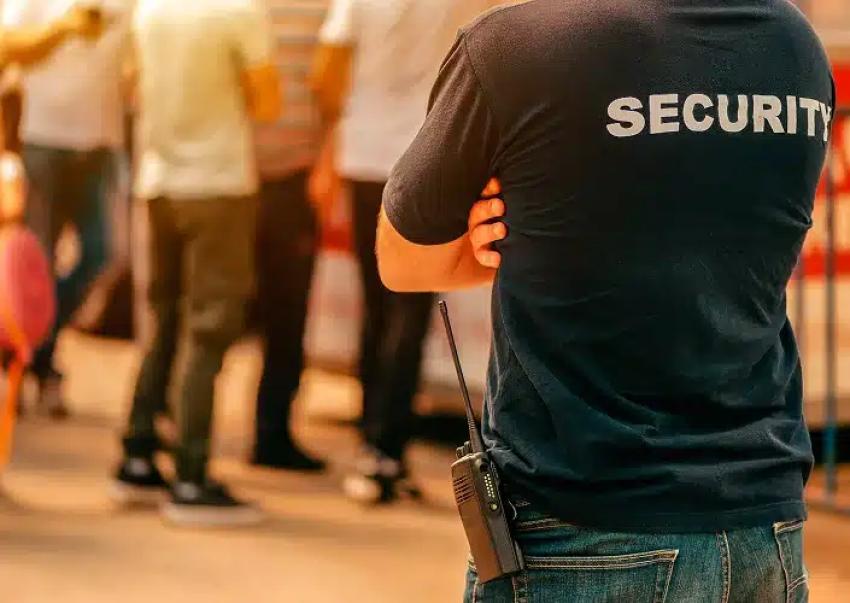
Professional security is not simply about having people standing around a venue. Security personnel need to understand their positions, responsibilities, communication arrangements, and the type of situation they may encounter. For example, one person may be assigned to an entrance while another monitors a restricted area. Others may be positioned where crowds are likely to gather or where staff and visitors need to be separated. When event security services in Singapore are arranged early, there is more opportunity to discuss the event schedule, venue layout and expected crowd movement with the security provider. Planning months in advance is also common for major events. The Singapore Police Force has described security planning for the Formula 1 Singapore Grand Prix as beginning months ahead, including risk assessment and consideration of potential vulnerabilities.
Last-Minute Changes Become Harder to Handle
Events rarely remain exactly as originally planned. The guest list may grow. A speaker may be added. The venue layout may change. An additional entrance may be opened. A VIP may require separate access arrangements. Early security planning gives organisers some flexibility to adjust the plan. Late planning does the opposite. Even a relatively small change may create pressure because security personnel, access arrangements and crowd-management measures have already been arranged around the original plan. The result can be a security setup that no longer completely matches the event.
Crowd Movement May Be Overlooked
Crowd size is important, but where people move can be just as important. A relatively small space can become crowded if visitors naturally gather around one entrance, stage, registration counter or popular activity. Singapore's authorities have used measures such as monitoring crowd size, regulating access to certain areas and managing potential chokepoints during major events. If crowd movement has not been considered in advance, security personnel may end up reacting to congestion rather than helping prevent it. A better approach is to identify likely gathering points before the event and consider how people will enter, move through, and leave the venue.
Emergency Procedures May Be Unclear
Another concern is what happens when something unexpected occurs. An event may run smoothly for several hours, but organisers still need to think about situations such as a medical incident, an overcrowded area, a suspicious item, a dispute between attendees, or an unexpected disruption. Security teams cannot be expected to improvise every response on the day. A clear plan can establish who communicates with whom, where key personnel should report, and how different teams coordinate when circumstances change. For larger or higher-risk events, Singapore's regulatory framework specifically recognises the importance of security plans, emergency management plans, traffic and transport management, and crowd management.
Access Control Can Become Messy
Different people may need different levels of access at an event. Guests, organisers, contractors, performers, vendors and staff may all have different responsibilities. Without proper planning, it can become difficult to distinguish between general visitor areas and restricted spaces. This does not necessarily mean creating complicated procedures. In many cases, clear access points, appropriate identification, and properly briefed personnel can make the process much easier. The important part is deciding these arrangements before people arrive.
Security Solutions May Become More Expensive
Late planning can also affect the budget. When security requirements are identified early, organisers have more time to compare options and determine what coverage is actually necessary. When an issue is discovered shortly before an event, organisers may have fewer choices. They may need additional personnel, changes to the venue layout, or other last-minute arrangements. Good security solutions Singapore providers should therefore be considered as part of the wider event planning process rather than as an afterthought. The objective is not necessarily to hire the maximum number of guards. It is to develop security arrangements that match the event, venue, crowd and potential risks.
Communication Between Teams Can Suffer
An event may involve organisers, venue management, security personnel, contractors, ushers and other staff. If security is brought into the planning process too late, these groups may not have enough time to establish clear responsibilities.
This can lead to questions such as:
Who manages an overcrowded entrance?
Who contacts the event organiser?
Who handles access to restricted areas?
Who directs visitors if an area becomes unavailable?
Who communicates with emergency services when required?
These questions are much easier to address before the event than in the middle of it.
What Should Organisers Do Instead?
The answer is not to make every event unnecessarily complicated. Instead, security should be considered alongside the venue, programme, guest numbers and logistics from an early stage.
A practical planning process can include:
Reviewing the venue layout
Estimating expected attendance
Identifying entry, exit and restricted areas
Considering likely crowd gathering points
Reviewing access-control requirements
Discussing security coverage with a professional provider
Clarifying communication and emergency procedures
Reviewing the plan when the event details change
For larger events, organisers should also check the applicable Singapore requirements well in advance. Current Singapore regulations specifically include information relating to crowd size, event location, security plans, crowd-control plans and access-control arrangements.
Early Planning Does Not Mean Over-Planning
The purpose of early security planning is not to predict every possible problem. It is about identifying the obvious pressure points before they become real problems. A well-planned security arrangement can support smoother entry, clearer access control, better crowd movement, and faster coordination when something unexpected happens. During major Singapore events, authorities have used measures such as regulating entry to crowded areas, monitoring crowd levels and managing dispersal routes to support public safety. Most importantly, security should be viewed as part of the event experience rather than something separate from it. When event security services in Singapore are considered early, organisers have more time to create practical arrangements that fit the event. Likewise, choosing appropriate security solutions in Singapore can help address the specific needs of the venue instead of relying on rushed, one-size-fits-all measures. Good event security is rarely noticeable when everything goes well—and that is exactly why it should be planned before the event begins.