Termites can cause serious damage to Sydney homes while remaining hidden for long periods. Unlike pests that are easy to spot, termites often work behind walls, beneath floors, inside roof spaces, or underground. By the time obvious structural damage appears, a colony may have already been active for months or even years.
Sydney's warm climate, moisture, gardens, timber structures, and established residential areas can create suitable conditions for termite activity. For homeowners, learning to recognise the early signs is an important part of protecting their property. Regular inspections and professional Termite Control can help identify potential problems before they become expensive repairs.
Here are 10 warning signs every Sydney homeowner should know.
1. Mud Tubes on Walls or Foundations
One of the most recognisable signs of subterranean termite activity is the appearance of mud tubes. These narrow, soil-like tunnels may be found along foundations, external walls, concrete surfaces, timber posts, pipes, or other structures.
Termites construct these sheltered pathways to travel between their colony and a food source while protecting themselves from exposure.
If you notice a suspicious mud tube around your home, avoid immediately destroying it. Photograph the area and arrange a professional inspection. An experienced Termite Control technician can investigate whether the structure is active and determine where the termites may be entering.
2. Hollow-Sounding Timber
Termites often consume timber from the inside, leaving the outer surface relatively intact. As a result, damaged wood may sound hollow when lightly tapped.
This can occur in:
- Floorboards
- Door frames
- Window frames
- Skirting boards
- Wall framing
- Decking
- Roof timbers
However, hollow-sounding timber does not automatically confirm termites. Moisture damage, age, decay, and other structural issues can create similar symptoms. A professional assessment is needed to determine the actual cause.
3. Damaged or Weak Timber
Unexplained timber deterioration can be another warning sign. Termite-damaged wood may appear blistered, weakened, cracked, or unusually soft in certain areas.
Pay particular attention to timber located near damp areas, gardens, foundations, bathrooms, leaking plumbing, or poorly drained sections of the property.
If a previously sound timber structure suddenly feels weak or looks different, don't assume it is simply normal ageing. Early investigation can help determine whether termites or another form of timber deterioration is responsible.
Professional Termite Control can then be recommended according to the inspection findings.
4. Discarded Wings Near Windows
Flying termites, also known as alates, may leave an established colony during a reproductive flight. After landing, they can shed their wings before attempting to establish a new colony.
Finding piles of small wings around windows, doors, light fittings, or other areas of the property can therefore be a warning sign.
Flying ants can look similar to flying termites, so correct identification is important. If you repeatedly notice winged insects or discarded wings inside your Sydney property, arrange an inspection rather than assuming they are harmless ants.
5. Bubbling or Cracked Paint
Paint that suddenly begins to bubble, crack, blister, or develop unusual raised areas may sometimes indicate activity underneath the surface.
Termites can travel behind wall coverings or close to timber components, potentially causing changes to painted surfaces. However, moisture penetration and other building issues can produce similar effects.
Look for additional indicators around the same area, such as mud tubes, damaged timber, moisture, or insect activity.
A professional inspection can help establish whether the problem requires Termite Control or building maintenance.
6. Doors and Windows That Stick
A door or window that suddenly becomes difficult to open or close can have several possible causes. Seasonal changes, humidity, settlement, and moisture can all affect timber.
However, unexplained changes may deserve attention when they occur alongside other potential termite indicators.
Termite activity can damage or alter timber components around frames, potentially affecting how doors and windows fit.
If several signs appear together, don't rely on a single explanation. Having the property professionally inspected can help identify whether termites are contributing to the problem.
7. Uneven or Damaged Floorboards
Flooring can change over time because of moisture, movement, age, or structural deterioration. In some situations, however, termite activity beneath or within timber flooring can contribute to soft, uneven, or damaged sections.
Walk through your home periodically and pay attention to areas that feel noticeably different from surrounding floors.
Check timber flooring near:
- Bathrooms
- Laundries
- Kitchens
- External doors
- Subfloor areas
- Garden-facing walls
If you discover unusual floor changes together with other termite warning signs, arrange professional Termite Control advice as soon as practical.
8. Moisture Problems Around the Property
Moisture does not mean termites are definitely present, but damp conditions can contribute to an environment that is favourable to termite activity.
Sydney homeowners should regularly check for:
- Leaking taps
- Damaged pipes
- Blocked gutters
- Poor drainage
- Roof leaks
- Air-conditioning condensation
- Water pooling near foundations
- Excessive garden irrigation
Fixing leaks and improving drainage can help reduce conditions that may attract termites and other pests.
Moisture management should therefore be considered an important part of preventative Termite Control and general property maintenance.
9. Termites Near Landscaping or Timber Structures
Landscaping can sometimes make termite detection more difficult. Garden beds, timber retaining walls, tree stumps, stored timber, mulch, and decking can create areas where termite activity may remain concealed.
Homeowners should avoid allowing soil, mulch, or garden materials to cover important inspection zones around the building.
Timber items should also be stored appropriately and kept away from direct contact with the structure where possible.
Maintaining clear access around foundations makes it easier to identify unusual activity during routine checks and professional inspections.
10. Visible Termites Inside Your Home
Finding live termites inside a house should always be taken seriously. They may be discovered in damaged timber, wall cavities, flooring, roof areas, or other concealed locations.
Do not assume that spraying visible insects will solve the problem. A termite colony can contain many individuals, and the termites you see may represent only a small part of the infestation.
Instead, document where you found them and arrange a professional inspection. A qualified technician can investigate the property and determine whether Termite Control is necessary.
Why Sydney Homes Need Regular Termite Inspections
One of the biggest challenges with termites is that they can remain hidden. A homeowner may not notice any obvious signs until damage has progressed significantly.
Regular inspections can help identify:
- Current termite activity
- Previous signs of infestation
- Potential entry points
- Moisture-related risks
- Vulnerable timber
- Conditions that may encourage termite activity
- Areas requiring monitoring or treatment
The appropriate inspection frequency depends on the property's construction, location, history, environmental conditions, and level of termite risk.
Homeowners should also consider professional inspections when buying a property, renovating, noticing unexplained timber damage, or discovering possible termite evidence.
What Attracts Termites to Sydney Properties?
Termites naturally seek suitable sources of cellulose and moisture. Certain property conditions can make a building more vulnerable or make termite activity harder to detect.
Potential risk factors include:
Excess Moisture
Persistent leaks, poor drainage, and water accumulation can contribute to favourable conditions.
Timber in Contact With Soil
Direct timber-to-soil contact can make access easier for some termite species and can also make activity more difficult to detect.
Garden Debris
Old stumps, timber waste, and other organic materials around a property can provide potential food sources.
Poor Ventilation
Damp subfloor or enclosed areas may create conditions that warrant attention.
Building Gaps
Cracks and concealed entry points can provide pathways into structures.
Addressing these conditions can support a broader Termite Control strategy.
What Should You Do If You Suspect Termites?
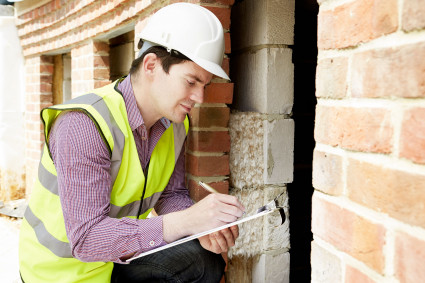
If you notice one or more warning signs, avoid delaying an inspection. Early investigation can provide valuable information about the extent and source of the activity.
A sensible approach is to:
- Photograph suspicious signs.
- Note where and when they were discovered.
- Avoid unnecessarily disturbing suspected termite areas.
- Check nearby areas for additional evidence.
- Arrange a professional inspection.
- Address moisture and maintenance problems.
- Follow professional recommendations for treatment or monitoring.
Avoid relying solely on household insect sprays. They may kill individual insects without addressing the underlying colony or entry pathway.
Professional Termite Treatment Options
There is no single treatment that suits every property. The appropriate approach depends on termite species, colony location, building construction, extent of activity, and environmental conditions.
Depending on the circumstances, professional Termite Control may involve targeted treatments, termite baiting systems, chemical soil barriers, or ongoing monitoring.
A qualified technician should inspect the property before recommending a treatment plan. This helps ensure that the approach addresses the actual termite risk rather than simply treating visible symptoms.
How Homeowners Can Reduce Termite Risk
Although termite activity cannot always be prevented completely, homeowners can take practical steps to reduce potential risks.
- Repair leaking plumbing promptly.
- Keep gutters and drainage systems maintained.
- Reduce unnecessary moisture around foundations.
- Store timber away from the building where appropriate.
- Remove old tree stumps and timber debris when practical.
- Keep inspection areas accessible.
- Maintain gardens without covering building inspection zones.
- Check timber structures regularly.
- Arrange professional termite inspections.
These measures can complement professional Termite Control and make it easier to identify changes before they develop into significant problems.
Final Thoughts
Termites can remain hidden while gradually affecting timber structures, making early detection essential for Sydney property owners. Mud tubes, hollow timber, discarded wings, bubbling paint, damaged flooring, moisture problems, and visible termites should never be ignored.
Not every warning sign confirms an infestation, but several unusual symptoms occurring together deserve professional attention. Instead of waiting for extensive structural damage, homeowners should combine good property maintenance with regular inspections.
Reliable Termite Control can help identify termite activity, assess potential risks, and determine suitable treatment or monitoring options. By recognising the warning signs early and taking timely action, Sydney homeowners can improve their chances of protecting their property from costly termite damage.