More dog owners are exploring raw feeding as an alternative to conventional kibble and canned food. From claims of shinier coats to better digestion, a raw diet can sound appealing. But before you buy frozen raw food for dogs in Singapore, it is important to understand both sides of the discussion. So, is a raw food diet safe for dogs? The honest answer is that it depends on several factors, including the quality of the food, nutritional balance, storage, handling, and your dog's individual needs.
What Is a Raw Food Diet for Dogs?
A raw diet typically contains uncooked ingredients such as:
Raw meat
Organ meat
Ground or whole bones
Fruits and vegetables
Eggs or other natural ingredients
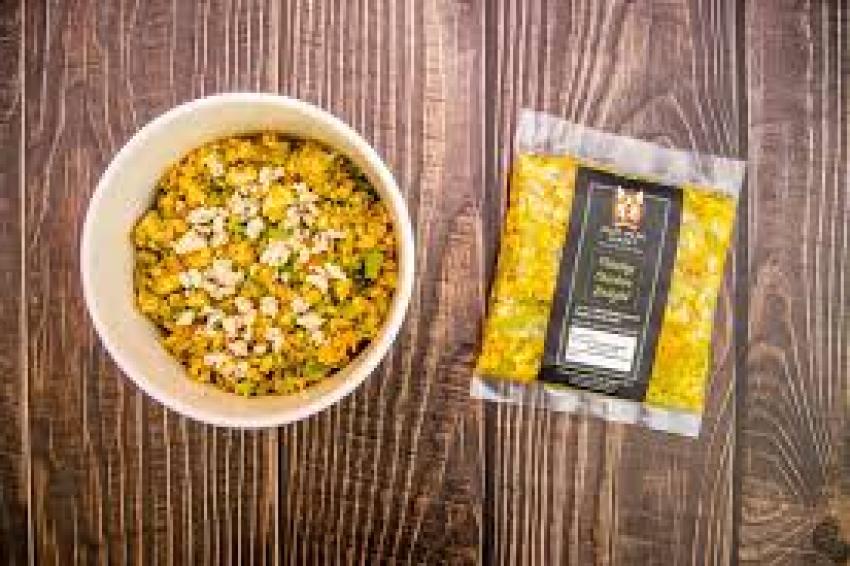
Some pet owners prepare raw meals themselves, while others prefer commercially prepared frozen raw food. The latter can be more convenient because the meals are portioned and formulated by the manufacturer. However, raw does not automatically mean healthier. The quality and formulation of the diet matter.
Why Do Dog Owners Choose Raw Food?
Many owners are interested in raw feeding because they believe it offers a more natural diet. Some commonly reported benefits include:
Improved coat and skin condition
Firmer stools
Better appetite
Greater enjoyment of mealtimes
More control over ingredients
However, these benefits can vary from dog to dog. Some claims about raw diets are based largely on owner experiences, and strong scientific evidence does not support every claimed advantage.
What Are the Risks of Raw Feeding?
The biggest concern is food safety. Singapore's Animal and Veterinary Service (AVS) notes that raw diets can carry risks from harmful bacteria such as Salmonella and E. coli. These bacteria may affect not only dogs but also people in the household through handling, contaminated surfaces, or contact with the dog's saliva or waste.
Other possible concerns include:
1. Bacterial Contamination
Raw meat can contain harmful microorganisms. This makes proper freezing, thawing, preparation, and cleaning essential.
2. Nutritional Imbalance
A raw diet made at home may not provide the right balance of protein, fats, vitamins, and minerals. Over time, nutritional deficiencies or excesses can affect a dog's health.
3. Bone-Related Risks
Certain bones may cause choking, broken teeth, blockages, or injuries to the digestive tract.
4. Food Safety in Singapore's Climate
Singapore's warm and humid weather means frozen and raw food should be handled carefully. Raw food should not be left sitting out for long periods, especially in a warm kitchen. Good hygiene and proper cold storage are particularly important.
Is Commercial Frozen Raw Food a Better Choice Than DIY Raw Meals?
For owners who want to try raw feeding, commercially prepared products may be more convenient than creating meals from scratch. However, it is still important to read the label carefully.
Before you buy frozen raw food for dogs in Singapore, look for products that clearly provide information about:
Ingredients
Nutritional suitability
Feeding guidelines
Storage instructions
Manufacturer details
Appropriate life stage for the dog
Singapore regulates the import, manufacturing, and processing of pet food and feed for companion animals, including pet food products. A well-formulated commercial product may offer greater convenience, but owners should still check whether it is intended to be a complete daily diet or simply used as a supplement or occasional meal.
How to Handle Frozen Raw Dog Food Safely
If you decide to feed frozen raw food, safe handling should be part of your routine.
Here are a few practical tips:
Keep the food frozen until it is ready to be thawed.
Thaw it according to the manufacturer's instructions.
Avoid leaving raw food at room temperature unnecessarily.
Wash your hands thoroughly after handling it.
Clean food bowls and preparation surfaces properly.
Keep raw pet food separate from ready-to-eat human food.
These practices are consistent with general food safety guidance for handling raw meat and preventing cross-contamination.
So, Is a Raw Food Diet Safe or Risky?
A raw food diet is not automatically safe or automatically dangerous. The level of risk depends heavily on the product, nutritional quality, food handling, and the individual dog. If you are considering making a major change to your dog's diet, it is sensible to speak with a veterinarian, especially if your dog is a puppy, senior, pregnant, or has existing dietary concerns.
Conclusion
The growing interest in raw feeding shows that many dog owners want more natural and transparent options for their pets. But choosing the right food should involve more than following trends or online recommendations. Before you buy frozen raw food for dogs in Singapore, take time to understand the ingredients, nutritional purpose, storage requirements, and food safety practices involved. A carefully chosen and properly handled diet can help you make a more informed decision about what works best for your dog.