Skincare loves a good buzzword, and lately, "skin resilience" has been everywhere. Serums claim to boost it, moisturisers promise to strengthen it, and entire routines are being marketed around this one term. But what does skin resilience actually mean, and is it just clever marketing language, or something genuinely worth paying attention to?
What Skin Resilience Actually Refers To
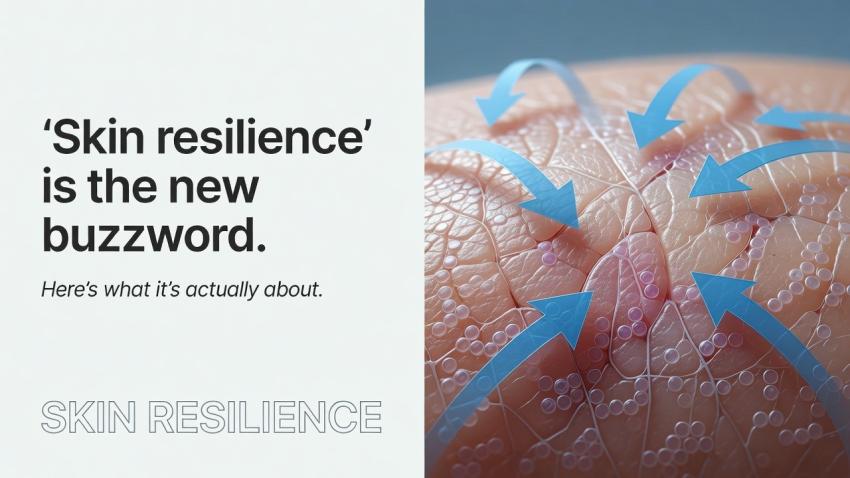
Skin resilience is basically your skin's ability to bounce back from stress, whether that stress comes from weather changes, pollution, harsh products, or just everyday environmental wear and tear. Resilient skin recovers quickly and stays balanced even after facing these challenges, while less resilient skin tends to react more easily, staying irritated, dry, or inflamed for longer periods.
This concept is closely tied to your skin barrier, since a strong, healthy barrier is what allows your skin to handle stress without falling into constant irritation or sensitivity.
Why This Term Is Suddenly Everywhere
A big part of this trend comes from years of overtreating skin with strong actives, aggressive exfoliation, and constantly changing routines chasing quick fixes. A lot of people ended up with weaker, more reactive skin as a result, which naturally led to more conversations around rebuilding that lost resilience.
As people became more aware of how their skin barrier functions, the idea of building resilience rather than just treating individual symptoms started making a lot more sense as a long-term goal.
How Resilient Skin Actually Behaves
Resilient skin does not mean skin that never reacts to anything. It means skin that recovers relatively quickly when it does react, rather than staying inflamed, dry, or broken out for weeks at a time. It also tends to handle new products, minor environmental changes, or occasional slip-ups in your routine without a dramatic, lasting response.
This is different from having naturally "easy" skin. Resilience can actually be built and maintained over time through consistent, thoughtful care, rather than being something you either have or do not.
What Damages Skin Resilience in the First Place
Constant over-exfoliation, layering too many strong actives at once, and frequently switching products without giving your skin time to adjust all chip away at your skin's resilience over time. Environmental factors like prolonged sun exposure without protection and pollution also play a role, gradually weakening your skin's ability to bounce back from daily stress.
Understanding these causes helps explain why some people seem to tolerate almost anything on their skin, while others react to nearly every new product they try.
How to Actually Build Skin Resilience
Building resilience starts with simplifying your routine and focusing on consistency rather than constantly chasing new treatments. This means sticking to gentle, effective skincare essentials for your glowing skin rather than switching products every few weeks based on trends.
A gentle Gotu Kola cleanser is a good example of a product that supports resilience rather than working against it, since it cleanses without stripping your skin's natural barrier, allowing your skin to stay balanced rather than constantly recovering from harsh cleansing.
Why Gentle Cleansing Plays Such a Big Role
Cleansing is often the first place resilience gets undermined, since a lot of people unintentionally over-cleanse or use products that are simply too harsh for daily use. A Creamy Face Wash works well here, since it cleans thoroughly without disrupting the skin barrier that resilience depends on so heavily.
Choosing gentle, non-stripping products across your entire routine, not just your cleanser, helps maintain that steady balance your skin needs to handle everyday stress without constantly reacting.
Patience Is a Core Part of Building Resilience
Resilience does not build overnight, and it definitely does not happen through aggressive treatments hoping to "toughen up" your skin quickly. It develops gradually, through weeks and months of consistent, gentle care that allows your skin barrier to strengthen naturally rather than being forced into recovery through harsh methods.
This is part of why brands focused on simple, barrier-supportive formulations, like the Rose & Rabbit skincare brand, tend to align well with this resilience-focused approach, since consistency and gentleness are exactly what this process actually requires.
Signs Your Skin Resilience Is Improving
Fewer unexpected reactions to new products, quicker recovery after occasional irritation, and skin that generally feels calmer and more balanced day to day are all signs that your skin's resilience is genuinely improving. These changes tend to show up gradually rather than all at once, which is part of why patience matters so much throughout this process.
Why This Trend Feels Different From Past Buzzwords
Unlike some skincare trends that focus on chasing a specific look or quick result, skin resilience is rooted in genuine skin function. It reflects a shift toward long-term skin health rather than short-term fixes, which is likely why it has stuck around as a meaningful conversation rather than fading quickly as some past buzzwords have.
Final Thoughts
Skin resilience is less about a trendy word and more about how well your skin can handle everyday stress and bounce back afterwards. Building it requires patience, gentle, consistent care, and a routine that supports your skin barrier rather than constantly challenging it. Over time, this approach leads to skin that reacts less, recovers faster, and generally feels calmer, no matter what the day throws at it.