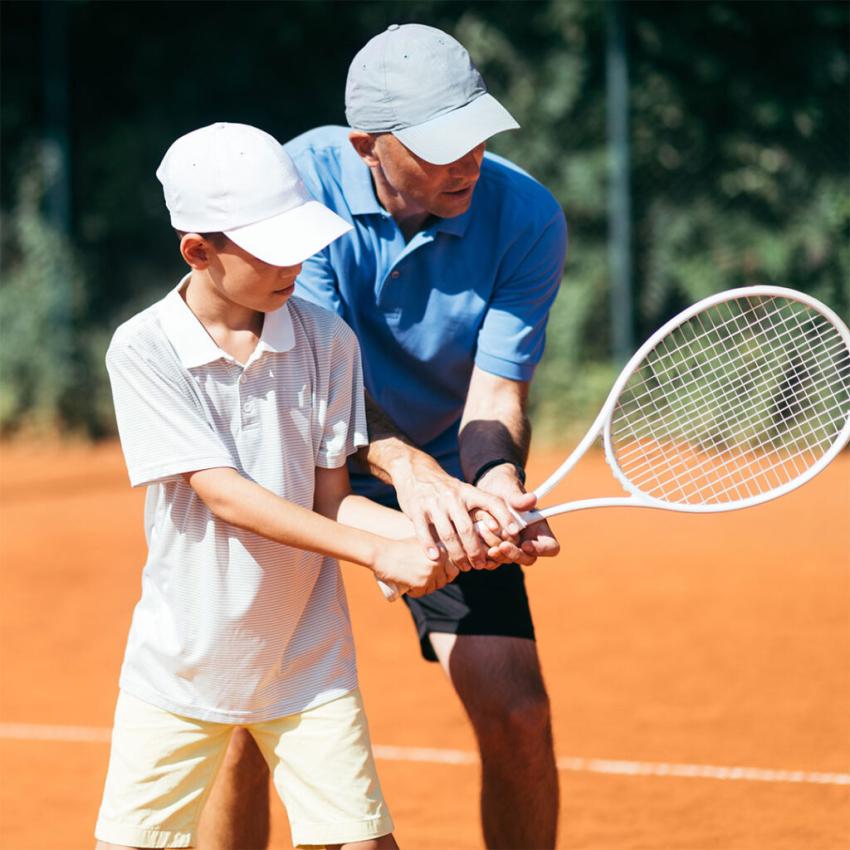
Introducing children to tennis can be one of the best decisions parents make for their overall development. Beyond learning how to hit a ball, tennis teaches patience, discipline, confidence, and resilience—qualities that stay with children long after they leave the court. However, not every programme is designed with young beginners in mind. A well-planned tennis programme focuses on building skills gradually while making the learning experience enjoyable.
If you're searching for Tennis lessons for kids, it's important to understand what separates an effective beginner programme from one that simply fills an hour with drills. Here are the key elements every parent should look for.
A Fun and Encouraging Learning Environment
Children learn best when they are having fun. During the early stages, the goal should not be to create future champions overnight but to help young players develop a genuine interest in the sport. A quality programme uses games, challenges, and simple activities to teach fundamental skills without making every session feel like formal training. When children associate tennis with enjoyment, they are more likely to stay motivated and continue practising. An encouraging coach who celebrates small improvements can make a significant difference in a child's confidence.
Age-Appropriate Coaching Methods
Young beginners require a different teaching approach from teenagers or adults. Their physical coordination, attention span, and learning pace vary greatly depending on their age. Effective Tennis classes for kids are carefully structured according to different age groups, ensuring every activity matches the child's developmental stage. Instead of expecting perfect technique immediately, coaches focus on helping children become comfortable with movement, balance, and basic racket control. This gradual approach helps children build strong fundamentals without feeling overwhelmed.
Qualified and Patient Coaches
The coach often becomes the biggest influence on a child's tennis journey. Technical knowledge is important, but patience, communication, and enthusiasm are equally valuable when working with beginners. Good coaches understand that every child learns differently. Some children gain confidence quickly, while others need more encouragement before attempting new skills. A supportive coach creates a positive atmosphere where mistakes become learning opportunities rather than sources of frustration. Parents should look for programmes where coaches explain instructions clearly, provide constructive feedback, and genuinely enjoy teaching young players.
Strong Focus on Basic Skills
A beginner programme should never rush into advanced techniques.
Instead, children should first learn:
Correct grip
Basic forehand and backhand swings
Footwork and movement
Hand-eye coordination
Balance and body positioning
Simple serving techniques
Building these fundamentals creates a strong foundation that supports faster progress as children become more experienced. Skipping these basics often leads to poor habits that are much harder to correct later.
Small Class Sizes
Children benefit from receiving regular individual attention. When classes become overcrowded, coaches have less time to observe each child's technique and provide personalised guidance. Smaller groups allow coaches to correct mistakes early and adapt activities according to each player's ability. Many parents prefer small-group Tennis lessons for kids because children still enjoy social interaction while receiving meaningful coaching throughout the lesson.
Progressive Skill Development
Learning tennis is a journey rather than a race. A good programme follows a clear progression where each lesson builds naturally upon previous skills. Instead of introducing too many concepts at once, children master one skill before moving to the next. For example, a structured programme may progress like this:
Learning racket control
Developing consistent ball contact
Improving footwork
Playing simple rallies
Understanding court positioning
Introducing basic match play
This step-by-step approach allows beginners to experience regular success, which keeps motivation high.
Physical Development Beyond Tennis
One overlooked benefit of beginner tennis programmes is the improvement in general physical abilities.
Children naturally develop:
Better coordination
Improved balance
Faster reflexes
Greater agility
Stronger concentration
Better cardiovascular fitness
These physical improvements also support other sports and everyday activities. Rather than focusing only on winning matches, quality programmes help children become healthier and more confident movers.
Positive Social Interaction
Tennis may seem like an individual sport, but beginner programmes often involve plenty of teamwork.
Children learn how to:
Take turns
Encourage classmates
Respect opponents
Listen carefully
Follow instructions
Build friendships
These social experiences help young players become more comfortable working with others while developing valuable communication skills. For many children, the friendships formed during lessons become another reason they look forward to returning each week.
Safe and Well-Maintained Facilities
The learning environment matters just as much as the coaching. Parents should ensure the courts are clean, well-maintained, and suitable for beginners. Younger players also benefit from modified equipment such as lower-compression balls and appropriately sized rackets, which make learning easier and more enjoyable. Many families also appreciate access to indoor tennis courts during rainy weather, allowing lessons to continue consistently throughout the year.
Opportunities for Long-Term Growth
The best beginner programme doesn't end after a few lessons. As children improve, they should have opportunities to continue developing through intermediate coaching, friendly competitions, advanced training groups, and regular practice sessions. This clear pathway helps children remain engaged while setting achievable goals at every stage of their development. For families exploring Tennis classes in Singapore, choosing a programme with long-term progression ensures children can continue learning without needing to change training environments as their skills improve.
Helping Children Build Confidence Through Tennis
Every child progresses at a different pace. Some quickly enjoy rallying with others, while some need extra time to become comfortable holding a racket. A good tennis programme recognises these differences and creates an environment where every child feels supported rather than pressured. Parents play an equally important role by celebrating effort instead of focusing solely on results. Encouraging regular attendance, praising improvement, and allowing children to enjoy the learning process often leads to better long-term development than placing unnecessary expectations on performance.
Conclusion
Choosing the right beginner tennis programme is about much more than finding convenient lesson times. A strong programme combines patient coaching, structured skill development, age-appropriate teaching methods, safe facilities, and an enjoyable learning environment that keeps children excited to return each week. Whether you're considering Tennis lessons for kids, comparing different Tennis classes for kids, or exploring reputable Tennis classes Singapore, prioritising these qualities will help your child build solid tennis fundamentals while developing confidence, resilience, and a lifelong appreciation for an active lifestyle.