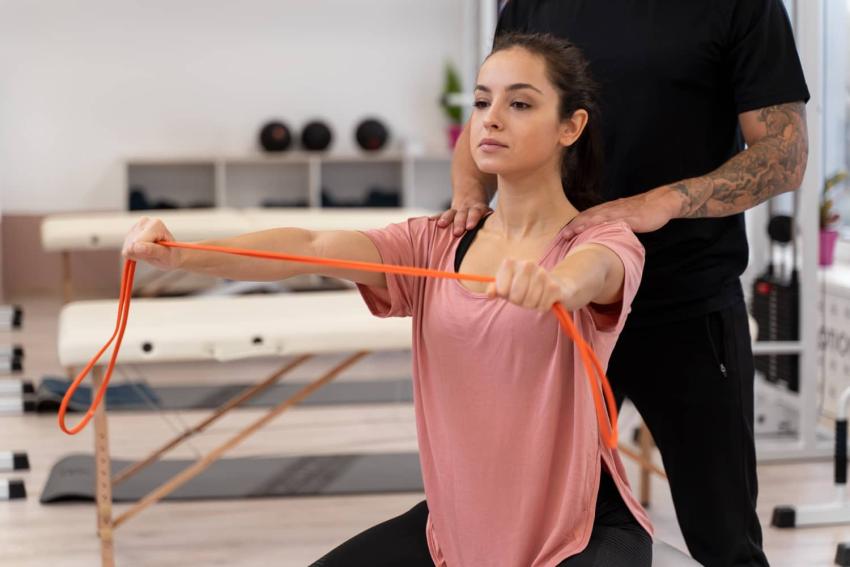
If you stay active, your body works hard every day. You may run, cycle, go to the gym, play football, enjoy tennis, or simply take long walks. While exercise is good for your health, it can also make your muscles feel tight, sore, or tired.
A sports massage is a great way to help your body recover. It is not only for professional athletes. Many active adults choose sports massage to reduce pain, improve movement, and stay ready for their next activity.
If you are looking for Sports Massage in Basingstoke, learning the benefits can help you decide if this treatment is right for you.
What Is a Sports Massage?
A sports massage is a type of massage therapy that focuses on muscles, tendons, ligaments, and soft tissues used during physical activity.
The massage therapist uses different techniques to:
Relax tight muscles
Improve blood flow
Reduce muscle tension
Increase flexibility
Support faster recovery
Help prevent injuries
Sports massage can be used before exercise, after exercise, or as part of a regular wellness routine.
Who Can Benefit from Sports Massage?
You do not need to be a professional athlete.
Sports massage is helpful for:
Gym members
Runners
Cyclists
Football players
Rugby players
Tennis players
Swimmers
Golfers
Dancers
Personal trainers
People with active jobs
Anyone who exercises regularly
Even if you simply enjoy staying fit, sports massage can help keep your body feeling its best.
1. Helps Reduce Muscle Soreness
After a hard workout, your muscles may feel sore for one or two days. This is called delayed onset muscle soreness (DOMS).
Sports massage helps by:
Improving blood circulation
Relaxing tight muscle fibres
Reducing muscle stiffness
Helping waste products leave the muscles
Many active adults notice they feel less sore after regular massage sessions.
Less soreness means you can return to your favourite activities sooner.
2. Speeds Up Recovery After Exercise
Recovery is just as important as training.
When muscles recover well, they become stronger and healthier.
Sports massage supports recovery by:
Bringing fresh oxygen to muscles
Improving nutrient delivery
Helping muscles relax
Reducing tension after exercise
Whether you finish a long run or an intense gym session, massage helps your body recover naturally.
3. Improves Blood Circulation
Healthy blood flow is important for every part of the body.
Good circulation helps:
Deliver oxygen
Carry nutrients
Remove waste products
Support healthy muscles
During a sports massage, gentle pressure encourages better circulation throughout the treated area.
Better circulation can leave your muscles feeling lighter and refreshed.
4. Increases Flexibility
Tight muscles can make movement harder.
When muscles become stiff, everyday activities and exercise may feel uncomfortable.
Sports massage helps improve flexibility by:
Releasing muscle tightness
Improving soft tissue movement
Increasing joint mobility
Supporting a better range of motion
Better flexibility can help you move more freely during sport and daily life.
5. Helps Prevent Sports Injuries
Many sports injuries happen because muscles become tight or overworked.
Sports massage helps identify areas of tension before they become bigger problems.
Regular treatment may help lower the risk of:
Muscle strains
Muscle pulls
Tendon irritation
Overuse injuries
Tight calves
Hamstring problems
Shoulder tension
While no massage can stop every injury, keeping muscles healthy helps your body perform better.
6. Reduces Muscle Tightness
Many people carry tension without even noticing.
Common tight areas include:
Neck
Shoulders
Lower back
Hamstrings
Calves
Hips
Quadriceps
Sports massage works deep into these muscles to release knots and tight tissue.
As muscles relax, movement becomes easier and more comfortable.
7. Improves Athletic Performance
Healthy muscles perform better.
When your body moves well, you may notice:
Better flexibility
Improved balance
Easier movement
Better posture
More efficient workouts
Sports massage supports your training by helping muscles stay loose and ready for activity.
Many active adults include massage as part of their fitness routine.
8. Helps Reduce Stress
Exercise is great for mental health, but busy lifestyles can still cause stress.
Sports massage encourages your body to relax.
Many people notice:
A calmer mind
Less tension
Better mood
Reduced mental fatigue
Greater relaxation
The combination of physical recovery and mental relaxation makes sports massage beneficial for both body and mind.
9. Supports Better Posture
Muscle imbalance can affect posture.
For example:
Tight chest muscles
Weak upper back muscles
Tight hip flexors
Tight lower back muscles
These problems can develop from both exercise and sitting for long periods.
Sports massage helps relax tight muscles that may pull the body out of balance.
Better posture can also reduce discomfort during everyday activities.
10. Helps Improve Range of Motion
Range of motion means how well your joints move.
Healthy joints allow easier movement during:
Running
Squatting
Lifting
Cycling
Swimming
Walking
When muscles become tight, movement becomes limited.
Sports massage helps loosen the surrounding muscles and soft tissues, making movement feel smoother and more natural.
11. Helps Manage Everyday Aches and Pains
Not every ache comes from an injury.
Many active adults experience:
Tight calves
Sore shoulders
Lower back discomfort
Neck stiffness
Hip tightness
Leg fatigue
Sports massage helps reduce everyday muscle discomfort before it becomes more serious.
Many people feel more comfortable during work, exercise, and relaxation after treatment.
12. Supports Long-Term Wellness
Sports massage is not just for recovery after a race.
Many people schedule regular sessions throughout the year.
Ongoing massage therapy helps:
Keep muscles healthy
Reduce long-term tension
Improve flexibility
Support active lifestyles
Encourage consistent recovery
Looking after your muscles today helps support your future health.
What Happens During a Sports Massage?
Your appointment usually begins with a short conversation.
The therapist may ask about:
Your activity level
Any injuries
Areas of discomfort
Your fitness goals
Medical history
During the massage, different techniques may be used depending on your needs.
These can include:
Deep tissue massage
Compression
Stretching
Trigger point therapy
Soft tissue mobilisation
Muscle release techniques
Some areas may feel tender, but the therapist will always work within your comfort level.
How Often Should You Have a Sports Massage?
The right schedule depends on your activity level.
Many active adults choose:
Every week during heavy training
Every two weeks for regular exercise
Once a month for maintenance
Before or after sporting events
Your massage therapist can recommend a plan that suits your lifestyle.
Why Choose Professional Sports Massage in Basingstoke?
Choosing an experienced massage therapist ensures your treatment is safe, effective, and tailored to your needs.
A professional sports massage offers:
Personal treatment plans
Experienced hands
Comfortable treatment rooms
Safe massage techniques
Advice for recovery and muscle care
Support for active lifestyles
Whether you train for competitions or simply enjoy staying active, professional care helps you recover with confidence.
Tips to Get the Most from Your Sports Massage
To enjoy the best results:
Drink plenty of water before and after your session.
Wear comfortable clothing.
Tell your therapist about any pain or injuries.
Avoid intense exercise immediately after your massage if advised.
Stretch gently after treatment.
Follow any home care recommendations.
Small habits like these can help your muscles recover even better.
Frequently Asked Questions
Is sports massage only for athletes?
No. Sports massage is suitable for anyone with an active lifestyle, including gym-goers, runners, cyclists, walkers, and people with physically demanding jobs.
Does sports massage hurt?
Some areas may feel tender, especially where muscles are tight. Your therapist will adjust the pressure to keep you comfortable while providing an effective treatment.
Can sports massage help after exercise?
Yes. Many people book a sports massage after training or sporting events to reduce soreness, improve circulation, and support recovery.
How long does a sports massage session last?
Most appointments last between 30 and 90 minutes, depending on the areas being treated and your individual needs.
Can sports massage help prevent injuries?
While no treatment can guarantee injury prevention, regular sports massage can reduce muscle tightness, improve flexibility, and help identify areas of tension before they become bigger problems.
Conclusion
Staying active is one of the best ways to support your health, but your muscles also need proper care. A sports massage helps reduce soreness, improve flexibility, boost circulation, ease muscle tension, and support faster recovery after exercise. It also promotes better posture, a wider range of motion, and long-term muscle health.
If you're searching for sports massage in Basingstoke or sports massage near me, choosing a qualified massage therapist can help you stay active, recover well, and enjoy every workout with greater comfort and confidence. Regular sports massage is a simple way to care for your body so you can keep doing the activities you love.