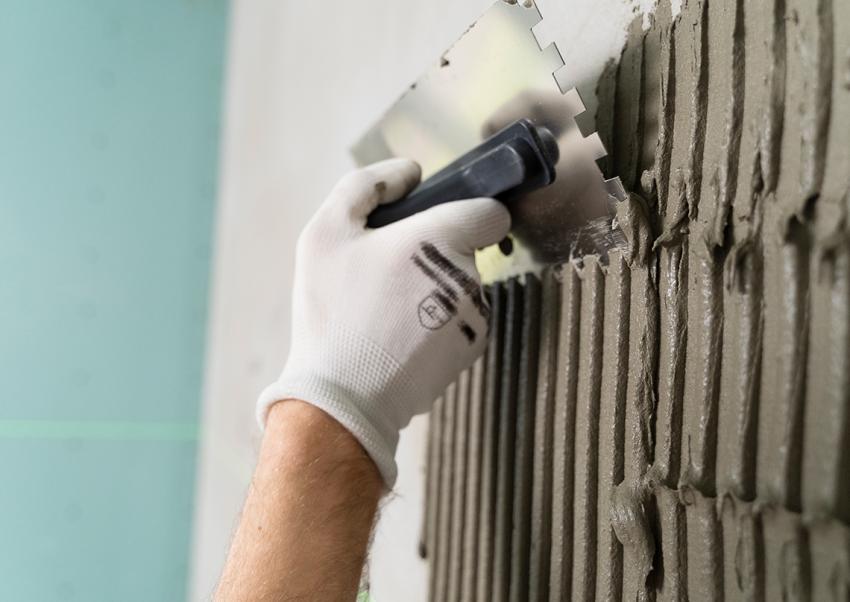
When it comes to achieving a smooth, durable, and long-lasting plaster finish, the quality of plaster sand plays a much bigger role than many people realize. Cement and water are undoubtedly important components of plaster, but the characteristics of the sand largely determine how well the plaster bonds, finishes, and performs over time.
One common misconception is that the same plaster sand can be used across every part of a building. While a single high-quality plaster sand may be suitable for both interior and exterior applications, the performance requirements of interior and exterior walls are quite different. Exterior walls are constantly exposed to changing weather conditions, moisture, and temperature fluctuations, whereas interior walls are expected to deliver a smooth finish that serves as the foundation for paint or decorative coatings.
Understanding these differences helps builders, contractors, and homeowners choose plaster sand that delivers the right balance of workability, strength, and durability for each application.
Why Interior and Exterior Walls Have Different Requirements
Although plastering follows the same basic process regardless of location, the conditions that interior and exterior walls experience are vastly different.
Interior walls remain protected from direct sunlight, rain, and extreme weather. Their primary purpose is to provide an even, aesthetically pleasing surface that supports paint, wallpaper, or other finishes.
Exterior walls, however, are continuously exposed to environmental stresses. Rain, humidity, heat, cold, and wind all affect the plaster over time. These surfaces need plaster that can withstand weathering while maintaining its adhesion and structural integrity.
Because of these differences, selecting the appropriate plaster sand becomes an important part of ensuring long-term performance.
What Makes Good Plaster Sand?
Before comparing interior and exterior applications, it is worth understanding what defines quality plaster sand.
Good plaster sand should have:
- A well-graded particle size distribution
- Low silt and clay content
- Clean, washed particles free from organic impurities
- Consistent quality throughout every batch
- Proper moisture control during supply
These characteristics contribute to stronger bonding, easier application, improved finish quality, and reduced chances of shrinkage cracks.
Regardless of whether the plaster is being applied indoors or outdoors, these qualities should never be compromised.
Choosing Plaster Sand for Interior Walls
Interior plaster is often judged by its appearance. Walls inside homes, offices, hotels, and commercial buildings are expected to have smooth, uniform surfaces that create the perfect base for painting.
For this reason, plaster sand used for interior work should generally contain finer, well-graded particles that allow plaster to spread evenly across the wall.
Fine and uniformly graded sand offers several advantages for interior plastering.
Achieving a Smooth Surface
One of the main goals of interior plaster is to produce a clean, level finish with minimal surface imperfections.
Well-processed plaster sand helps plasterers achieve this without excessive finishing work. It allows the mortar to spread smoothly and reduces drag during application, resulting in a more consistent surface.
Better Workability
Workability refers to how easily plaster can be mixed, spread, and finished.
Sand with a balanced grading improves the consistency of the plaster mix, making it easier for workers to apply uniform layers. Better workability also reduces labour effort and helps maintain productivity on site.
Improved Paint Finish
The quality of plaster directly affects the appearance of paint.
Uneven plaster surfaces often become more noticeable after painting, especially when using satin or glossy finishes. High-quality plaster sand helps create smoother walls that require less corrective work before painting begins.
Reduced Surface Defects
Clean plaster sand with low levels of silt and clay contributes to better bonding between cement and sand particles.
This reduces the likelihood of defects such as pinholes, uneven texture, weak adhesion, or localized cracking that can become visible after the wall has been painted.
Choosing Plaster Sand for Exterior Walls
Exterior plaster has a different purpose. While appearance remains important, durability becomes the primary concern.
Exterior walls must withstand changing weather conditions throughout the year. Rainwater, temperature fluctuations, and moisture movement place continuous stress on the plaster layer.
The sand selected for exterior plaster should therefore support both strength and long-term performance.
Strength and Bonding
Exterior plaster needs to adhere firmly to the masonry or concrete substrate.
Consistent, well-graded plaster sand helps create a dense mortar mix that develops good mechanical strength while maintaining strong adhesion to the surface.
Weak or poorly graded sand may lead to weak spots that become vulnerable to cracking or delamination over time.
Moisture Resistance
Although plaster itself is not waterproof, its quality influences how effectively it resists moisture penetration.
Clean, properly graded sand contributes to a denser plaster matrix with fewer voids, helping limit excessive water ingress during rainfall.
This is particularly important in regions that experience frequent rain or high humidity.
Resistance to Weathering
Exterior walls expand and contract as temperatures change throughout the day and across seasons.
High-quality plaster sand helps produce a more stable plaster layer capable of tolerating these natural movements without premature deterioration.
Poor-quality sand containing excessive impurities or inconsistent particle sizes may contribute to surface defects that become more noticeable as the building ages.
Can the Same Plaster Sand Be Used for Both?
This is one of the questions contractors ask most frequently.
The answer depends on the quality of the plaster sand rather than simply whether it is intended for interior or exterior use.
Premium manufactured plaster sand that is clean, consistently graded, and produced under strict quality control is often suitable for both applications. Many modern construction projects successfully use the same high-quality plaster sand throughout the building because it provides consistent workability and reliable performance.
Problems usually arise when inferior or poorly processed sand is used, not because the application is indoors or outdoors.
Rather than purchasing separate types of sand, contractors should focus on sourcing plaster sand that consistently meets quality requirements.
Common Mistakes When Selecting Plaster Sand
Choosing plaster sand based solely on price can create costly problems later in the project.
Some common mistakes include:
Ignoring Silt Content
Excessive silt weakens the bond between cement and sand, reducing plaster strength and increasing the risk of cracks.
Using Inconsistent Sand
Variations in particle size from one delivery to another can affect plaster consistency, making it difficult to achieve uniform finishes throughout the project.
Choosing Unwashed Sand
Sand contaminated with clay, dust, or organic materials can interfere with cement hydration and reduce the overall quality of the finished plaster.
Overlooking Supplier Quality Control
Even good sand can become unreliable if manufacturing standards are inconsistent.
Working with reputable suppliers who maintain proper screening, washing, and grading processes helps ensure every batch performs as expected.
Factors to Consider Before Buying Plaster Sand
Whether the project involves interior walls, exterior facades, or both, several factors should always be evaluated before selecting plaster sand.
Particle Size Distribution
A balanced grading allows better packing of particles, improving both workability and plaster strength.
Cleanliness
The sand should be free from excessive dust, clay, organic matter, salts, and other contaminants that may affect performance.
Consistency
Construction projects benefit from receiving uniform material throughout the duration of the work. Consistent sand quality leads to more predictable plaster performance.
Reliable Supply
Large projects require uninterrupted material availability. Choosing an established supplier helps maintain consistent construction schedules without compromising quality.
Why Quality Matters More Than Application
It is easy to assume that interior and exterior walls require completely different plaster sand, but the more important consideration is overall quality.
A high-quality plaster sand that is properly washed, accurately graded, and consistently manufactured provides excellent workability for interior finishes while also delivering the strength and durability required for exterior applications.
Conversely, poor-quality sand can create problems regardless of where it is used. Surface cracks, weak adhesion, uneven finishes, excessive shrinkage, and costly repairs are often linked to inferior materials rather than the plastering process itself.
For contractors, investing in reliable plaster sand not only improves workmanship but also reduces callbacks and long-term maintenance issues.
Conclusion
Choosing the right plaster sand is about more than simply selecting a construction material—it is about ensuring the long-term performance and appearance of the finished building.
Interior walls demand smooth, uniform finishes that provide an ideal base for decorative coatings, while exterior walls require plaster capable of withstanding moisture, weather exposure, and temperature changes. Although these applications have different performance expectations, both depend on the same fundamental qualities: clean, well-graded, and consistently manufactured plaster sand.
Rather than focusing solely on cost, builders and homeowners should prioritize quality, consistency, and supplier reliability. A premium plaster sand not only makes plaster easier to apply but also contributes to stronger adhesion, improved durability, and better-looking walls for years to come.
Ultimately, selecting the right plaster sand at the beginning of a project is a small decision that can have a lasting impact on the quality, durability, and finish of both interior and exterior walls.