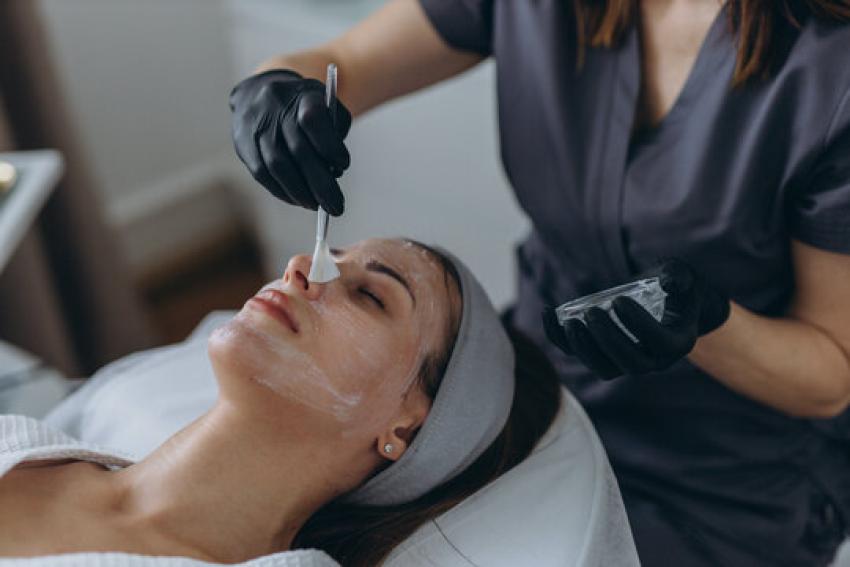
Oily skin is one of the most common skin types and can often be challenging to manage. Excess sebum production may lead to enlarged pores, frequent breakouts, blackheads, and a persistently shiny complexion. While a proper skincare routine can help control oil, some individuals require professional treatments to address these concerns more effectively. Among the available options, Chemical Peels in Islamabad have become a popular choice for improving oily skin and enhancing overall skin health.
Chemical peels not only exfoliate the skin but also help regulate oil buildup, refine skin texture, and promote a clearer complexion. When performed by a qualified skincare professional, they can be an effective addition to a personalized skincare plan.
In this article, we'll explore how chemical peels benefit oily skin, what results you can expect, and whether this treatment may be right for you.
Understanding Oily Skin
Oily skin develops when the sebaceous glands produce more sebum than necessary. Sebum plays an important role in protecting and moisturizing the skin, but excessive production can contribute to several cosmetic concerns.
Common characteristics of oily skin include:
- Persistent facial shine
- Enlarged pores
- Blackheads and whiteheads
- Frequent acne breakouts
- Congested skin
- Uneven skin texture
Hormonal changes, genetics, climate, stress, and certain skincare products can all influence oil production.
What Is a Chemical Peel?
A chemical peel is a non-surgical skin resurfacing treatment that uses specially formulated acids to remove damaged outer skin layers. This controlled exfoliation stimulates the skin's natural renewal process, allowing fresh, healthier skin to emerge.
Chemical peels are available in different strengths:
- Superficial peels
- Medium-depth peels
- Deep peels
For oily skin, superficial and selected medium-depth peels are commonly recommended, depending on the individual's skin condition and treatment goals.
How Chemical Peels Help Oily Skin
Chemical peels address several issues commonly associated with oily skin by promoting healthier skin turnover and reducing pore congestion.
1. Exfoliate Dead Skin Cells
Dead skin cells can accumulate on the skin's surface and mix with excess oil, leading to clogged pores.
Chemical peels remove these dead cells, leaving the skin smoother and reducing the buildup that contributes to breakouts.
2. Unclog Pores
Blocked pores are one of the primary causes of acne and blackheads.
By exfoliating the upper layers of skin, chemical peels help clear debris, excess oil, and impurities from the pores, supporting a cleaner complexion.
3. Reduce Excess Oil
Certain chemical peel formulations can help improve oil balance by reducing excessive sebum accumulation on the skin's surface.
Although chemical peels do not permanently stop oil production, they can help make oily skin more manageable when combined with an appropriate skincare routine.
4. Improve Acne-Prone Skin
Individuals with oily skin are often more susceptible to acne.
Chemical peels may help improve acne-prone skin by:
- Removing pore-clogging debris
- Encouraging faster skin cell turnover
- Reducing post-acne discoloration
- Supporting healthier skin renewal
Treatment plans are customized according to the severity of acne and the individual's skin type.
5. Refine Skin Texture
Oily skin may feel rough due to clogged pores and uneven cell turnover.
Regular chemical peel treatments can improve:
- Skin smoothness
- Surface texture
- Overall skin appearance
- Skin clarity
Patients often notice softer and healthier-looking skin after completing their recommended treatment plan.
Benefits of Chemical Peels for Oily Skin
Patients with oily skin may experience several cosmetic benefits, including:
- Improved skin texture
- Reduced oil buildup
- Clearer pores
- Brighter complexion
- More even skin tone
- Fewer blackheads
- Healthier-looking skin
- Smoother surface texture
- Reduced appearance of post-acne marks
- Enhanced skincare product absorption
Results vary depending on the type of peel and individual skin characteristics.
What Happens During the Procedure?
A typical chemical peel appointment usually includes several steps.
Skin Assessment
Your provider evaluates your skin type, oil production, and any active acne or pigmentation concerns before selecting the most appropriate peel.
Cleansing
The treatment area is thoroughly cleansed to remove oil, makeup, and impurities.
Peel Application
The selected chemical solution is carefully applied to the skin.
During this stage, you may experience mild:
- Tingling
- Warmth
- Temporary stinging
These sensations usually subside quickly.
Post-Treatment Care
After the peel is completed, soothing skincare products and sunscreen are applied before you leave the clinic.
Most appointments take approximately 30 to 45 minutes.
How Many Sessions Are Needed?
The number of treatments depends on several factors, including:
- Severity of oiliness
- Presence of acne
- Pigmentation
- Skin sensitivity
- Desired cosmetic goals
Some patients notice improvement after one treatment, while others benefit from a series of chemical peels scheduled over several weeks.
Your skincare professional will recommend a personalized treatment plan based on your skin's condition.
Are Chemical Peels Safe for Oily Skin?
When performed by qualified professionals, chemical peels are generally considered safe for suitable candidates.
Safety depends on:
- Professional skin evaluation
- Appropriate peel selection
- Customized treatment planning
- Correct application technique
- Proper aftercare
Attempting strong chemical peels at home may increase the risk of irritation, burns, or pigmentation changes.
Who Is a Good Candidate?
Chemical peels may be appropriate for individuals with oily skin who experience:
- Frequent breakouts
- Blackheads
- Enlarged pores
- Acne marks
- Uneven skin texture
- Mild pigmentation
- Dull complexion
A consultation with an experienced skincare professional is the best way to determine whether the treatment is suitable for your skin.
Frequently Asked Questions
Can chemical peels reduce oily skin permanently?
Chemical peels can help improve oil control and reduce surface oil buildup, but they do not permanently stop sebum production. Maintenance treatments and a suitable skincare routine are often recommended.
Are chemical peels suitable for active acne?
Depending on the severity of the acne, certain superficial chemical peels may be incorporated into an acne management plan. A professional evaluation is necessary before treatment.
Will my skin peel after treatment?
Mild flaking or peeling is common after many chemical peels, although the amount varies depending on the peel's strength.
Can I wear makeup after a chemical peel?
Your skincare provider will advise when it is safe to resume makeup use based on your skin's healing progress.
Is sunscreen necessary after treatment?
Yes. Daily sunscreen is essential to protect the newly treated skin and reduce the risk of pigmentation changes.
Final Thoughts
For individuals struggling with excess oil, clogged pores, acne, and uneven skin texture, Chemical Peels in Islamabad can be an effective non-surgical treatment option. By promoting controlled exfoliation and healthier skin renewal, chemical peels help improve skin clarity, refine texture, and support a more balanced complexion.