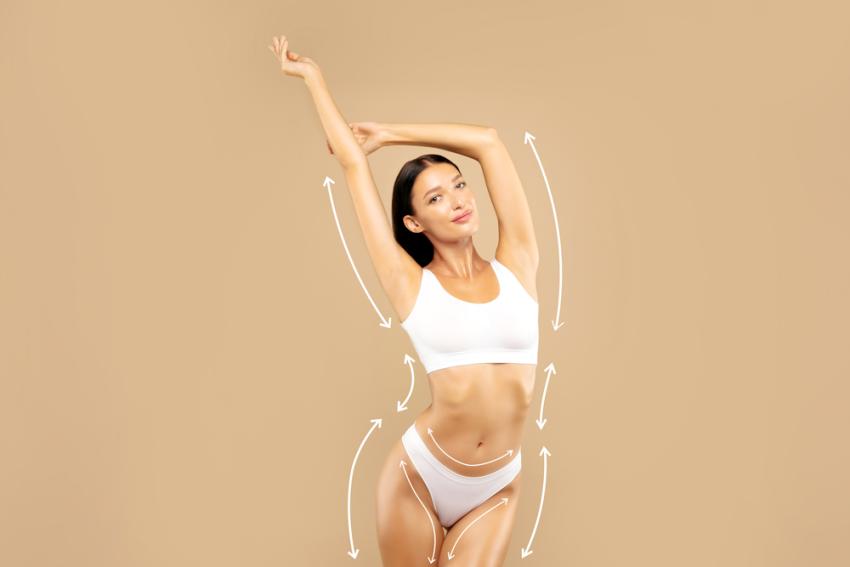
Body contouring has become a popular cosmetic solution for individuals who want to improve their body shape and achieve a more defined appearance. Despite maintaining a healthy lifestyle, many people struggle with stubborn fat deposits, loose skin, or areas that do not respond to diet and exercise. Body contouring procedures are designed to address these concerns and help create smoother, more balanced body contours.
If you are considering body contouring in Islamabad, understanding the treatment process can help you feel more confident and prepared. From the initial consultation to recovery and final results, knowing what to expect allows patients to make informed decisions about their aesthetic journey.
What Is Body Contouring?
Body contouring refers to a variety of cosmetic procedures aimed at reshaping specific areas of the body. These treatments may involve fat removal, skin tightening, or a combination of both to improve body proportions and overall appearance.
Body contouring can be performed using:
- Surgical techniques
- Non-surgical technologies
- Combination approaches
The most suitable option depends on the patient's goals, anatomy, and the extent of correction required.
The Initial Consultation
The first step in any body contouring journey is a comprehensive consultation with a qualified cosmetic surgeon.
During this appointment, the surgeon evaluates several factors, including:
- Current body shape
- Areas of concern
- Medical history
- Previous surgeries
- Lifestyle habits
- Treatment goals
The consultation is also an opportunity for patients to discuss expectations and ask questions about the procedure.
Physical Assessment
A detailed physical examination helps the surgeon determine:
- Fat distribution
- Skin elasticity
- Muscle tone
- Body proportions
- Overall suitability for treatment
This assessment allows the creation of a personalized treatment plan tailored to the patient's needs.
Treatment Recommendations
Based on the evaluation, the surgeon may recommend:
- Liposuction
- Body lift procedures
- Skin tightening treatments
- Non-surgical body contouring
- Combination treatments
Each recommendation is designed to achieve the most natural and balanced outcome possible.
Preparing for the Procedure
Proper preparation contributes to a safer procedure and smoother recovery.
Patients may receive instructions regarding:
Medical Evaluation
Certain laboratory tests or medical assessments may be required before surgery to ensure the patient is healthy enough for treatment.
Medication Adjustments
The surgeon may advise temporary changes to certain medications or supplements that could affect bleeding or healing.
Lifestyle Modifications
Patients are often encouraged to:
- Maintain a stable weight
- Stay hydrated
- Follow a balanced diet
- Avoid smoking
- Follow all pre-procedure guidelines
Preparation varies depending on whether the procedure is surgical or non-surgical.
What Happens on the Day of the Procedure?
The experience differs depending on the specific body contouring technique being performed.
Arrival at the Facility
Patients typically arrive before the scheduled procedure time to complete final preparations.
This may include:
- Reviewing consent forms
- Taking photographs for medical records
- Confirming treatment areas
- Meeting with the surgical team
The surgeon may mark the treatment areas to guide the procedure accurately.
Anesthesia
For surgical body contouring procedures, anesthesia may be used to ensure comfort throughout treatment.
The type of anesthesia depends on:
- Procedure complexity
- Number of treatment areas
- Patient health considerations
The surgical team explains the anesthesia plan before treatment begins.
During Surgical Body Contouring
Procedures such as liposuction or body lift surgery generally involve:
- Small incisions in targeted areas
- Removal of excess fat
- Reshaping of body contours
- Skin tightening when necessary
The duration of treatment varies according to the extent of correction required.
During Non-Surgical Body Contouring
Non-invasive procedures typically involve the application of specialized devices to targeted areas.
These treatments may use:
- Cooling technology
- Radiofrequency energy
- Ultrasound technology
- Laser energy
Most non-surgical sessions require little or no anesthesia and are generally completed within a few hours.
Immediately After the Procedure
Following treatment, patients are monitored to ensure a safe recovery process.
Recovery Room Monitoring
For surgical procedures, patients spend time in a recovery area where healthcare professionals monitor:
- Vital signs
- Comfort levels
- Initial healing progress
Patients are usually discharged once they are medically stable.
Mild Post-Treatment Symptoms
It is normal to experience temporary effects such as:
- Swelling
- Bruising
- Tenderness
- Mild discomfort
- Temporary numbness
These symptoms typically improve gradually during the healing period.
Recovery Timeline
Recovery varies based on the procedure performed and individual healing characteristics.
First Few Days
During the initial recovery period, patients may notice:
- Swelling
- Bruising
- Mild soreness
- Reduced activity levels
Following the surgeon's instructions carefully is essential during this phase.
First Few Weeks
As healing progresses, many patients begin to feel more comfortable and gradually resume normal activities.
The surgeon may recommend:
- Light walking
- Wearing compression garments
- Avoiding strenuous exercise
- Attending follow-up appointments
Compression garments are commonly used after surgical body contouring to support healing and contour development.
Long-Term Recovery
Residual swelling can take time to fully resolve. The final results often become more noticeable as healing continues over several weeks or months.
Patience is important, as body contouring results develop gradually.
When Will Results Become Visible?
The timing of results depends on the treatment method.
Surgical Procedures
Improvements may be visible relatively soon after swelling begins to decrease. However, final contours continue to refine throughout the healing process.
Non-Surgical Procedures
Results typically appear gradually as the body naturally processes and eliminates treated fat cells.
Many patients notice progressive improvements over several weeks or months.
Benefits of Body Contouring
Body contouring offers several potential advantages for suitable candidates.
Common benefits include:
- Improved body proportions
- Reduction of stubborn fat deposits
- Enhanced body definition
- Better-fitting clothing
- More balanced contours
- Increased self-confidence
The exact benefits vary depending on individual goals and treatment plans.
Factors That Influence Results
Several factors affect treatment outcomes, including:
Skin Elasticity
Good skin quality often contributes to smoother and more refined contours.
Body Weight Stability
Maintaining a stable weight helps preserve long-term results.
Lifestyle Habits
Healthy eating and regular physical activity support lasting improvements.
Treatment Selection
Choosing the appropriate procedure for individual concerns plays an important role in achieving optimal outcomes.
The Importance of Choosing an Experienced Surgeon
Body contouring is highly personalized and requires careful planning.
A qualified cosmetic surgeon can:
- Assess candidacy accurately
- Recommend appropriate treatments
- Develop a customized plan
- Prioritize patient safety
- Help achieve natural-looking results
Experience and expertise are important factors when considering any cosmetic procedure.
Conclusion
Understanding what to expect during a body contouring procedure in Islamabad can help patients approach treatment with confidence. From the initial consultation and preparation to the procedure itself and the recovery period, every step is carefully planned to enhance body shape and improve overall contours.
Whether the goal is to reduce stubborn fat, address loose skin, or achieve a more sculpted appearance, body contouring offers personalized solutions tailored to individual needs. A consultation with a qualified cosmetic surgeon is the best way to determine the most suitable treatment approach and establish realistic expectations for the journey ahead.
FAQs
Is body contouring painful?
Comfort levels vary depending on the procedure. Surgical treatments involve anesthesia, while non-surgical procedures generally cause minimal discomfort.
How long does a body contouring procedure take?
Procedure length depends on the treatment type and the number of areas being addressed. Some treatments may take a few hours, while others require longer.
Will I need time off work after body contouring?
Recovery requirements vary. Surgical procedures often require downtime, whereas many non-surgical treatments allow patients to resume routine activities sooner.
How soon can I exercise after body contouring?
Exercise restrictions depend on the treatment performed. Your surgeon will provide personalized recommendations based on your recovery progress.
Are body contouring results permanent?
Fat cells removed during treatment do not typically return. However, maintaining a healthy lifestyle and stable weight is important for preserving long-term results.