Understanding different childbirth options can help mothers feel more confident and prepared. Knowing what to expect during delivery can also reduce stress and make the experience smoother.
Many women today choose to learn more about cesarean delivery in dubai because it is a common and safe procedure when performed by experienced healthcare professionals. It can be planned in advance or performed as an emergency procedure when needed to protect the health of the mother or baby.
What Is a Cesarean Delivery?
A cesarean delivery, often called a C-section, is a surgical procedure used to deliver a baby through incisions made in the mother's abdomen and uterus. It is usually recommended when a vaginal birth may pose risks to the mother or the baby.
Cesarean delivery is one of the most commonly performed surgical procedures worldwide. Modern medical advancements have made it safer and more effective than ever before.
A cesarean section can be:
- Planned before labor begins
- Recommended during pregnancy due to medical concerns
- Performed during labor if unexpected complications arise
The primary goal is always the safety of both mother and child.
Why Might a Cesarean Delivery Be Needed?
There are several reasons why doctors may recommend a cesarean section. Some of the most common include:
Baby in an Unusual Position
If the baby is in a breech position (feet-first) or lying sideways, a vaginal birth may be difficult or unsafe.
Multiple Pregnancy
Women carrying twins, triplets, or more babies may require a cesarean delivery depending on the position and health of the babies.
Placenta Problems
Conditions such as placenta previa, where the placenta covers the cervix, often make vaginal delivery impossible.
Previous Cesarean Delivery
Some women who have had a previous C-section may need another one, although vaginal birth after cesarean (VBAC) may be possible in certain situations.
Labor Complications
If labor is not progressing normally or the baby shows signs of distress, an emergency cesarean section may be necessary.
Health Conditions in the Mother
Medical conditions such as high blood pressure, heart disease, diabetes, or certain infections may increase the need for a cesarean birth.
Preparing for a Cesarean Delivery
Preparation helps mothers feel more comfortable and informed before surgery.
Medical Assessment
The healthcare team will review:
- Medical history
- Pregnancy progress
- Ultrasound results
- Blood tests
- Overall health condition
Pre-Surgery Instructions
Mothers may be advised to:
- Avoid eating or drinking for several hours before surgery
- Follow medication instructions
- Arrive at the hospital at the scheduled time
- Pack essential items for the hospital stay
Emotional Preparation
Feeling nervous before surgery is normal. Discussing concerns with healthcare providers and family members can help reduce anxiety and build confidence.
What Happens During the Procedure?
Many mothers worry about what occurs during a cesarean delivery. Understanding the process can help ease concerns.
Step 1: Anesthesia
Most cesarean deliveries are performed using regional anesthesia, such as spinal or epidural anesthesia. This allows the mother to remain awake while preventing pain during surgery.
Step 2: Surgical Preparation
The abdomen is cleaned and prepared to reduce the risk of infection.
Step 3: Incision
A small incision is usually made in the lower abdomen, just above the pubic area.
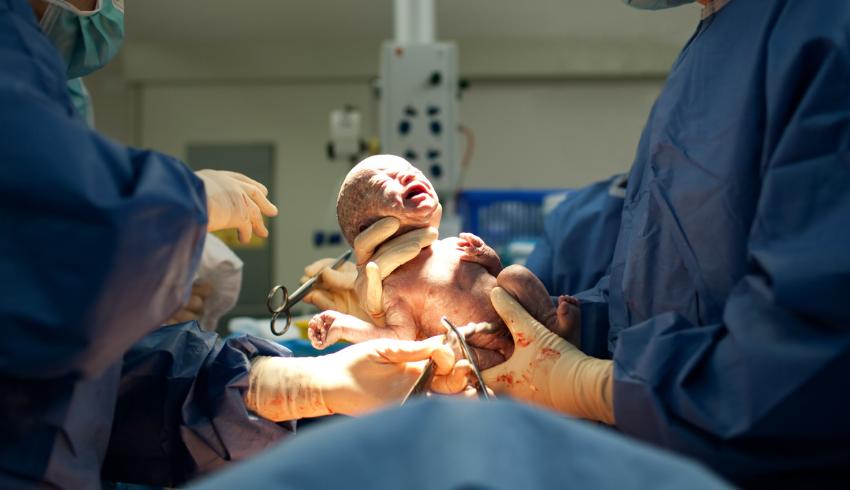
Step 4: Delivery of the Baby
The doctor carefully delivers the baby through the incision. This part of the procedure usually takes only a few minutes.
Step 5: Placenta Removal and Closure
After the baby is delivered, the placenta is removed, and the incisions are closed using stitches or surgical staples.
The entire procedure generally takes between 45 minutes and one hour.
Benefits of Cesarean Delivery
Although vaginal birth remains the preferred option for many women, cesarean delivery offers several important benefits when medically necessary.
Increased Safety
A cesarean section can help prevent complications during difficult pregnancies or deliveries.
Reduced Birth Trauma
It may reduce the risk of injury to the baby in certain situations.
Planned Delivery
When scheduled, mothers and healthcare providers can prepare in advance.
Lower Risk in Certain Medical Conditions
Some maternal and fetal health conditions can be managed more safely through cesarean birth.
Potential Risks and Considerations
Like any surgery, a cesarean delivery carries certain risks.
Infection
There is a possibility of infection at the incision site or within the uterus.
Blood Loss
Cesarean delivery generally involves more blood loss than vaginal birth.
Longer Recovery
Recovery after surgery usually takes longer compared to vaginal delivery.
Blood Clots
There is a small risk of developing blood clots after surgery.
Future Pregnancies
A previous cesarean section may affect delivery options in future pregnancies.
Healthcare providers carefully evaluate these risks and recommend cesarean delivery only when the benefits outweigh the potential concerns.
Recovery After Cesarean Delivery
Recovery is an important part of the childbirth journey.
Hospital Stay
Most mothers stay in the hospital for two to four days after surgery.
Pain Management
Mild to moderate discomfort is common during recovery. Doctors may prescribe medications to help manage pain.
Physical Activity
Gentle walking is encouraged soon after surgery to improve circulation and reduce the risk of complications.
Rest
Adequate rest is essential for healing. Mothers should avoid heavy lifting and strenuous activities for several weeks.
Incision Care
Keeping the incision clean and dry helps prevent infection and promotes healing.
Caring for Your Baby After a Cesarean Birth
Although recovery may require additional attention, mothers can still enjoy valuable bonding time with their newborn.
Skin-to-Skin Contact
Early skin-to-skin contact helps strengthen the bond between mother and baby.
Breastfeeding
Many women successfully breastfeed after a cesarean delivery. Healthcare providers and lactation consultants can provide support if needed.
Family Support
Accepting help from family and friends can make the recovery period easier and less stressful.
Common Myths About Cesarean Delivery
There are many misconceptions surrounding cesarean births.
Myth 1: Cesarean Delivery Is the Easy Option
Reality: A cesarean section is major surgery and requires significant recovery time.
Myth 2: Mothers Cannot Breastfeed After a Cesarean
Reality: Most women can breastfeed successfully after surgery.
Myth 3: Every Future Birth Must Be a Cesarean
Reality: Some women may be eligible for a vaginal birth after cesarean, depending on their medical circumstances.
Myth 4: Recovery Is Always Extremely Difficult
Reality: Recovery experiences vary, and many women recover well with proper care and support.
When to Contact Your Doctor After Delivery
Mothers should seek medical attention if they experience:
- Fever
- Severe pain
- Excessive bleeding
- Redness or swelling around the incision
- Difficulty breathing
- Chest pain
- Signs of infection
Prompt medical care helps ensure a safe recovery.
Emotional Well-Being After Cesarean Delivery
Physical recovery is only one part of the postpartum experience. Emotional health is equally important.
Some mothers may experience:
- Mood changes
- Anxiety
- Fatigue
- Feelings of disappointment if delivery did not go as planned
Talking openly with healthcare providers, family members, or support groups can be very helpful. Remember that every birth journey is unique, and the most important outcome is the health and safety of both mother and baby.
How to Support Recovery at Home
Following a few simple practices can improve healing after surgery:
- Drink plenty of water
- Eat nutritious foods
- Get enough sleep
- Walk regularly as advised
- Attend follow-up appointments
- Avoid lifting heavy objects
- Follow all medical instructions
Patience is important because healing takes time.
Choosing the Right Maternity Care
The quality of maternity care plays a significant role in the childbirth experience. Mothers should look for healthcare providers who offer:
- Comprehensive prenatal care
- Clear communication
- Personalized treatment plans
- Modern medical facilities
- Postpartum support
A trusted healthcare team can help mothers make informed decisions and feel supported throughout pregnancy and delivery.
Conclusion
Cesarean delivery is a safe and effective childbirth option when medically necessary. Understanding the reasons for the procedure, the surgical process, recovery expectations, and postpartum care can help mothers feel more confident throughout their pregnancy journey. Whether planned or performed in an emergency, the goal of every cesarean birth is to protect the health and well-being of both mother and baby.
For mothers seeking expert guidance on pregnancy, childbirth, and cesarean delivery in Dubai, consulting an experienced specialist such as Dr. Neha Lalla can help ensure personalized care and support at every stage of the journey.