Behind every successful event is a significant amount of planning that most attendees never notice. Organizers spend months coordinating venues, speakers, schedules, catering, and guest experiences. Yet one area that can sometimes be overlooked until the final stages is event security. Whether it is a corporate seminar, product launch, concert, exhibition, or community gathering, a well-thought-out security plan helps ensure that everything runs smoothly. Security is not simply about having personnel stationed at entrances. It involves preparation, communication, and anticipating situations before they become problems. For organizers planning events in a fast-paced environment like Singapore, understanding the fundamentals of event security can contribute greatly to the overall success of the occasion.
Start Planning Early
One of the most common mistakes organizers make is leaving security arrangements until the last minute. Security planning works best when it is integrated into the event planning process from the beginning. Early preparation allows organizers to assess potential risks, identify security requirements, and coordinate responsibilities with various stakeholders. It also provides enough time to adjust plans if the scale or nature of the event changes. Security should not be viewed as a separate task completed just before the event. Instead, it should form part of the event's overall operational strategy.
Understand the Nature of the Event
No two events are exactly alike. A networking session for business professionals will have different requirements from a public festival attracting thousands of attendees.
Organizers should consider factors such as:
The expected number of guests.
The profile of attendees.
Venue layout and access points.
VIP presence.
Event duration and schedule.
Activities are taking place throughout the event.
Understanding these details helps determine the level of support required and the appropriate security approach.
Consider Crowd Management
Large gatherings naturally bring challenges related to movement and flow. Entry and exit points, registration areas, waiting zones, and emergency pathways should all be carefully planned. Good crowd management is not about restricting people unnecessarily. Rather, it is about creating an environment where attendees can move comfortably and safely without confusion or congestion. Simple measures such as clear directional guidance and organized queuing systems can contribute significantly to a positive event experience.
Establish Clear Communication
Effective communication is often one of the most overlooked aspects of event security planning. Event organizers, venue teams, and security personnel should understand their respective responsibilities and know how to communicate if unexpected situations arise.
Questions worth considering include:
Who should be contacted if an issue occurs?
How will information be relayed during an emergency?
Who has decision-making authority on-site?
Having these answers before the event reduces uncertainty and enables quicker responses when needed.
Prepare for Unexpected Situations
Even with careful planning, unforeseen situations can occur. Weather disruptions, medical incidents, equipment failures, or sudden changes in crowd behaviour may require immediate attention. Preparing contingency plans allows organizers to respond calmly and effectively rather than making rushed decisions under pressure. Considering possible scenarios in advance does not mean expecting problems to happen. It simply reflects responsible planning.
Balance Security With Guest Experience
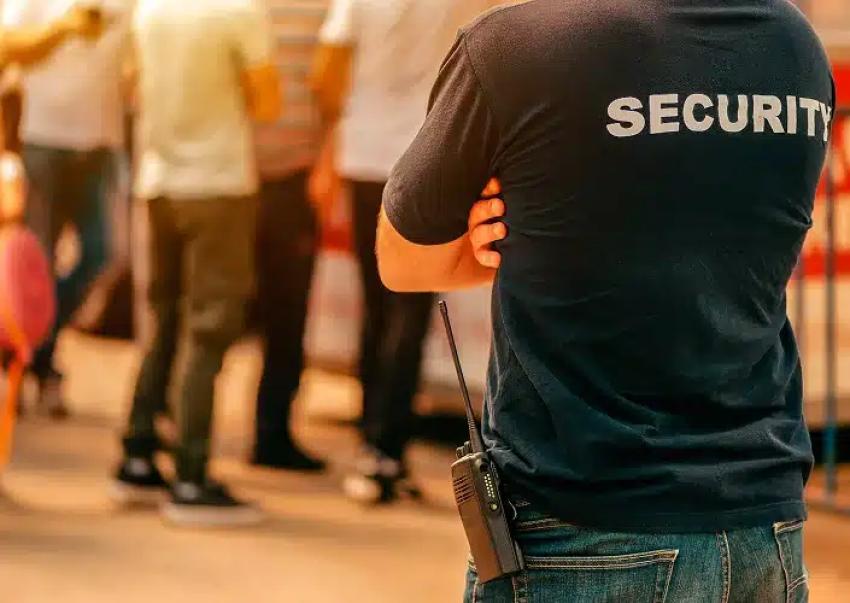
One concern organizers sometimes have is whether visible security measures might negatively affect the atmosphere of an event. In reality, well-executed security often goes unnoticed. Guests appreciate feeling safe without feeling restricted. Professional personnel who remain approachable, observant, and courteous can help maintain a welcoming environment while ensuring that procedures are followed. The goal is to strike a balance between safety and hospitality.
Recognize the Value of Professional Support
As events continue to evolve in size and complexity, many organizers seek professional assistance to help manage security requirements effectively. This is one reason why event security services in Singapore have become an important part of the local events landscape. Their experience in handling different event environments allows organizers to focus on delivering memorable experiences while ensuring that practical safety considerations are addressed appropriately. Having access to trained professionals can provide reassurance, particularly for larger events involving multiple stakeholders and logistical challenges.
Final Thoughts
Successful events are remembered for their seamless execution, positive atmosphere, and enjoyable experiences. While attendees may remember the speakers, entertainment, or networking opportunities, much of that success depends on the planning taking place behind the scenes. Security is not merely about responding to incidents; it is about creating an environment where potential issues are anticipated, communication is clear, and guests can enjoy the occasion with confidence. For event organizers, taking the time to plan thoughtfully, prepare for different scenarios, and seek appropriate support when needed can make a meaningful difference. After all, one of the hallmarks of a well-managed event is that attendees never have to think about the security measures working quietly in the background.