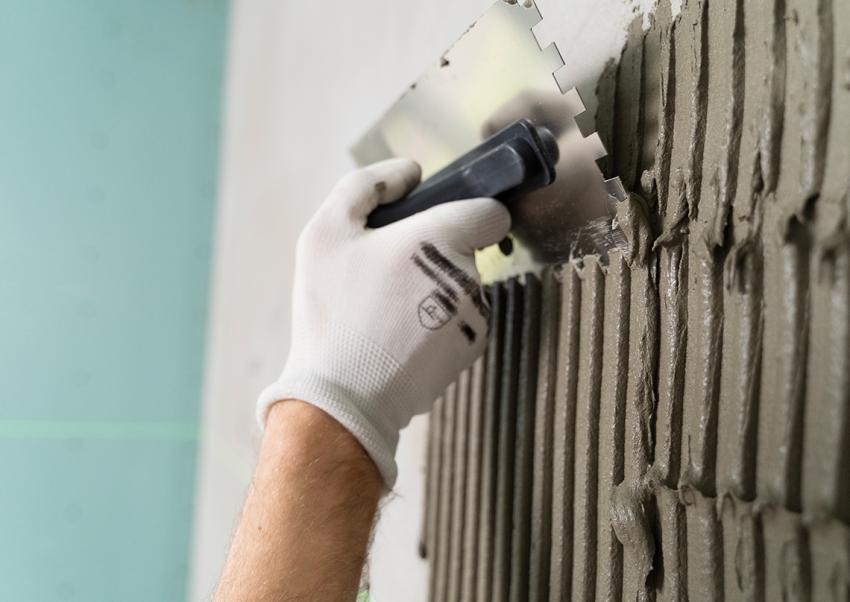
The quality of plastering depends on more than just cement and workmanship. One of the most important factors is the sand used in the mix. Choosing the right Plaster Sand helps create smooth finishes, improves bonding, and reduces the risk of cracks. For builders and contractors, understanding the quality indicators of Plaster Sand can make a significant difference to the final outcome of a project.
Why the Quality of Plaster Sand Matters
Plastering serves both functional and aesthetic purposes. It protects masonry surfaces while creating a uniform base for paint and decorative finishes. If the Plaster Sand contains impurities or inconsistent particle sizes, the plaster layer may develop cracks, poor adhesion, or an uneven surface.
Good-quality Plaster Sand contributes to a workable mix that spreads evenly and cures properly. This helps achieve a stronger and more durable finish over time.
Particle Size and Gradation
One of the most important characteristics of Plaster Sand is particle size distribution. Sand that is too coarse can make plaster difficult to apply and may result in a rough finish. On the other hand, excessively fine material can increase water demand and affect strength.
Well-graded Plaster Sand contains a balanced mix of particle sizes. This improves packing density within the mortar and creates a smoother surface during application. Consistent gradation also helps maintain uniform plaster thickness across walls and ceilings.
Cleanliness and Freedom from Impurities
The presence of unwanted materials can significantly affect plaster performance. High-quality Plaster Sand should be free from:
● Clay and silt
● Organic matter
● Dust contamination
● Salt deposits
Excessive clay or silt can weaken the bond between cement and sand. Organic impurities may interfere with cement hydration, while salts can contribute to surface staining and long-term deterioration.
Builders should always ensure that Plaster Sand meets the required cleanliness standards before use.
Moisture Content and Workability
Moisture content plays a key role in mortar consistency. Sand with excessive moisture can alter the water-cement ratio, making it difficult to achieve the intended mix design.
Properly processed Plaster Sand provides better control during batching and mixing. It allows contractors to maintain consistent workability throughout the plastering process, leading to improved surface quality and reduced material wastage.
Shape and Texture of Sand Particles
The shape of individual sand particles influences both workability and bonding performance. Angular particles generally provide better mechanical interlocking within the mortar matrix, while excessively rounded particles may reduce bond strength.
Quality Plaster Sand typically offers a suitable balance between workability and adhesion. This helps plaster adhere effectively to masonry surfaces while remaining easy to spread and finish.
Consistency Across Batches
Large construction projects require uniform material quality throughout execution. Variations in sand properties can lead to differences in texture, colour, and plaster strength from one area to another.
Consistent Plaster Sand helps contractors maintain predictable results across multiple batches of mortar. This is particularly important for residential developments, commercial buildings, and infrastructure projects where surface uniformity is expected.
Choosing the Right Plaster Sand
Selecting Plaster Sand should involve more than visual inspection. Builders should evaluate particle grading, cleanliness, moisture levels, and consistency before procurement. Manufactured and processed sand products are often preferred because they offer greater quality control compared to unprocessed sources.
A reliable supply of quality Plaster Sand supports better workmanship, improved durability, and a more professional finish. While plastering may appear to be a simple process, the performance of the final surface is heavily influenced by the quality of the materials used from the start.
Conclusion
Good Plaster Sand provides the foundation for strong, smooth, and long-lasting plaster finishes. Factors such as particle size, cleanliness, moisture control, and consistency directly affect performance on site. For builders seeking reliable construction outcomes, selecting the right Plaster Sand remains one of the most important decisions in the plastering process.