Facial aesthetics are deeply personal, and the way our features frame our faces can significantly influence our self-perception. For many, finding reliable Ear reshaping in Dubai is the first step toward reclaiming their confidence. When ears appear overly prominent or lack definition, it is common to feel like these features distract from your overall appearance. Fortunately, modern surgical techniques provide a path to subtle, life-changing refinement.
What is Ear reshaping in Dubai
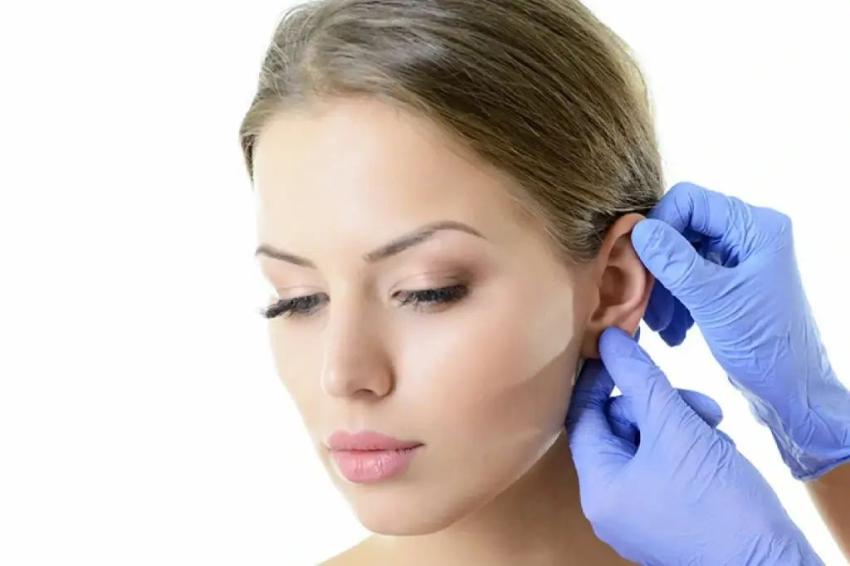
Otoplasty, commonly referred to as ear pinning or reshaping, is a surgical intervention focused on the structure of the outer ear. It is a precise procedure that adjusts the angle, size, or shape of the cartilage to bring it into better alignment with the rest of the face. By addressing these structural nuances, the surgery helps ensure that your ears complement your profile rather than dominating it, creating a natural look that ages well.
How Ear reshaping in Dubai Works
The mechanism centers on the manipulation of the elastic cartilage that forms the ear. During the operation, the surgeon accesses the cartilage through an incision hidden in the natural crease behind the ear. From this vantage point, they can reshape the framework by thinning, scoring, or using permanent sutures to hold the cartilage in a more refined, pinned-back position. This creates a secure, long-lasting structure that mirrors a more traditional ear shape.
Why Ear reshaping in Dubai Is Used
The primary purpose is to address anatomical characteristics that may cause distress or social discomfort. Many patients opt for this procedure to correct prominent ears that stand out from the scalp, as well as to fix asymmetry or misshapen cartilage resulting from congenital factors or injury. By modifying these traits, the surgery aims to restore harmony to the patient’s facial features.
Benefits of Surgical Ear Correction
Choosing to undergo this procedure offers several meaningful advantages:
Significant improvement in symmetry between the two ears.
A natural, proportionate appearance that shifts the focus back to your eyes and smile.
Permanent correction that maintains its aesthetic appeal over many years.
Minimal visible scarring, as incisions are strategically placed in natural skin folds.
Ideal Candidates for Ear Procedures
The procedure is suitable for both children and adults. In children, it is often performed once the ears have finished growing—typically by age five or six—to prevent social teasing during school years. Adults seeking correction are often those who have lived with self-consciousness regarding their ears for their entire lives. Good candidates are generally healthy non-smokers with clear goals for their results.
Procedure and Surgical Steps
Clinical Assessment: The surgeon examines the cartilage flexibility and ear shape.
Anesthesia Administration: A comfortable, pain-free environment is established.
Strategic Incision: A clean, hidden incision is made behind the ear.
Cartilage Refinement: The cartilage is carefully reshaped or repositioned.
Suturing: Internal stitches anchor the new shape while skin sutures close the incision.
Protective Bandaging: A soft, supportive dressing is applied to facilitate initial healing.
Common Treatment Areas
While the ears are a small anatomical feature, they contain complex structures that can be refined:
AreaObjective
Ear AntihelixDefining the natural fold of the ear
Ear ConchaReducing the depth to decrease prominence
Ear LobeResizing or reshaping the lower section
Overall AngleAdjusting the distance from the side of the head
Cost Factors and Financial Planning
The investment in your appearance involves several components, including the surgical expertise, the type of facility, and the anesthesia used. During a private consultation, we review the specifics of your anatomical needs to provide a clear, comprehensive breakdown of the associated costs, ensuring you have the full picture before moving forward.
Recovery Timeline and Healing Experience
What patients typically report during recovery is a sense of mild pressure and minor discomfort, which is easily managed with prescribed care. You will need to wear a protective headband for several weeks to support the ears while they set in their new position. Most individuals feel comfortable returning to light daily activities within a week, though contact sports should be avoided for a slightly longer period.
Side Effects and Safety Protocols
Safety is the foundation of our practice. While complications are rare, it is important to be aware of potential effects like temporary swelling, numbness, or minor bruising. By adhering to post-operative guidance and maintaining follow-up appointments, you minimize risks and ensure that your healing process stays on track under professional supervision.
How to Maintain Results and Long-Term Care
Consistency is vital for optimal healing. Keeping the incision area clean and avoiding pressure on the ears while you sleep are the most effective ways to preserve your results. At Tajmeels Clinic, we provide detailed aftercare instructions tailored to your specific surgery, ensuring that your long-term outcome is as successful as possible.
Conclusion and Supportive Guidance
Embarking on the journey to improve your facial balance is an empowering decision. We understand the sensitivity surrounding this procedure and are here to offer support, expertise, and a medically responsible approach to your goals. For those seeking expert care in a comfortable environment, we invite you to consult with the experienced team at Tajmeels Clinic to discuss how we can help you achieve your desired aesthetic results.