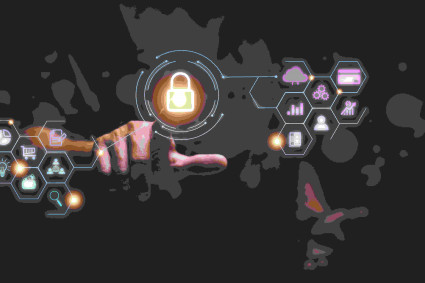
In addition to their symptoms or any treatment issues, patients will provide other types of information about themselves when they see a healthcare provider (e.g., sensitive personal data, medical history, insurance information, etc.) – all essential to providing quality patient care. Therefore, trust is one of the most important components of the relationship between patients and healthcare providers.
The recent publicized investigation into a data breach at Bridle Trails Family Dentistry has highlighted the issue of patient privacy and the need for healthcare organisations to protect patient confidential information. Each data breach has different investigation levels, but the majority of breaches that occur within healthcare complicate the discussion surrounding privacy, trust, and responsible data management.
Healthcare providers require good information about the patient to help them assess any medical condition, develop a plan of care, and manage patient care; likewise, patients rely on their healthcare provider to maintain the confidentiality of their information and implement appropriate security measures to protect their privacy.
Reason why trust is important in the healthcare industry
Trust plays a key role in many areas of the healthcare experience; when patients feel at ease with their healthcare provider, they are more likely to discuss their medical concerns and ask about different health care options available to them, follow through with prescribed treatments, etc. The establishment of trust between a patient and healthcare provider will result in:
- Better communication
- Better adherence to treatment(s)
- Higher satisfaction with the healthcare provider
- Stronger long-term relationships
- Greater success with healthcare outcomes
Without trust, patients may hesitate to share important information that could assist healthcare professionals in providing appropriate care.
The Growing Role of Digital Records
As healthcare organizations rely more on electronic tools and systems for the management of patient information, digital recordkeeping enhances efficiency, improves administrative processes, and facilitates communication between healthcare providers.
Examples of data commonly found within a healthcare system include:
Patient names and contact details
Medical history
Insurance records
Appointment information
Treatment record
Billing record
While these systems are beneficial for both patients and providers, they emphasize the necessity of proper information management practices and maintaining an ongoing focus on information security.
Transparent communication fosters trust
Patients generally prefer organizations that are clear about how they collect, use and protect patient personal data. Transparency fosters trust and allows patients to better understand their rights in relation to their personal information.
Healthcare providers can create trust through:
Providing clear privacy notices
Providing an explanation of a patient’s rights
Demonstrating the value of clear and open communication
Providing secure communications
Timely response to patient questions and concerns
By doing these things, a healthcare organization can help provide a positive experience and retain a long-term relationship with the patient.
Why is healthcare privacy so important?
Medical information is one of the most personal and confidential pieces of information shared with any organization. Many patients share with their healthcare provider sensitive personal data such as their health status, care provided, family history, and other private matters. Discretion and professionalism is critical in protecting the trust and confidence of the patient.
As healthcare services continue to evolve through digital technologies and electronic records, maintaining privacy remains a key responsibility for healthcare organizations of all sizes, including local medical and dental practices.
Future Prospects
The future impact of technology will likely include an increase in the number of ways that technology will change the way that we provide healthcare to people. Innovations like online appointment scheduling and digital patient portals as well as electronic records will all contribute to improving the ease and accessibility of healthcare delivery. However, as we become more reliant on these types of technologies, we must also ensure that we manage patient data securely and effectively, and, therefore, the need to maintain a high level of patient trust in the organization will increase.
At the end of the day, trust is the foundation of all physician-patient relationships. Patients expect their healthcare providers to provide high-quality care and to maintain confidentiality regarding sensitive patient information. Organizations that demonstrate their commitment to transparency and privacy, and provide excellent communication with patients, will have a significant impact on building trust and enhancing the overall patient experience in the healthcare industry.