Choosing the right eCommerce platform is one of the most important decisions, for any online business, like really, it matters. The platform basically changes website performance , scalability, customer experience, security, and how smoothly your daily operations run.
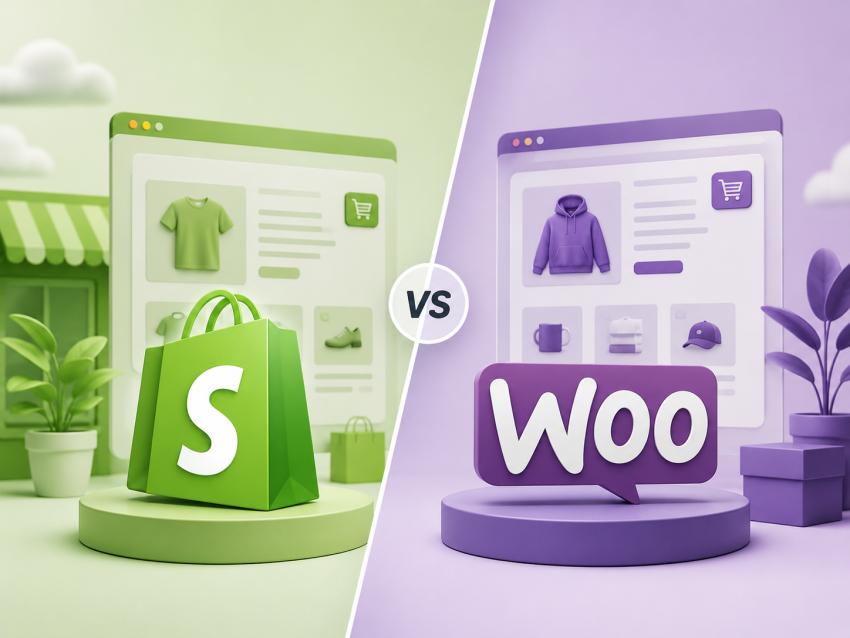
Among the most popular eCommerce solutions out there right now are Shopify and WooCommerce. Both can help you build an online store with strong features, but they don’t behave the same way, not at all. They differ in functionality, flexibility pricing structures , and even how hard it is for developers to work with them.
A lot of businesses end up stuck, trying to figure out which platform fits their technical needs, and also their long-term growth plans, you know?
That’s why it helps to really understand both the advantages and the limits of Shopify and WooCommerce before you actually launch, otherwise you might regret it later.
What Is Shopify?
Shopify is a cloud based eCommerce platform, kind of made for businesses that want to build and run online stores without too much trouble. It comes with managed hosting , built in security, payment integration, mobile responsiveness, inventory management and marketing tools. A professional Shopify website development company usually takes that base and helps companies make stores that are scalable and customized for the way they actually operate, not just a generic setup.
What Is WooCommerce?
WooCommerce is an open source eCommerce plugin, made for WordPress websites. In practice it lets a business turn a WordPress site into a complete online store, with real shopping features and more control. WooCommerce provides: full customization flexibility, an open source architecture, a plugin ecosystem, extensive theme options, and content management integration too. Many teams, especially those who have technical expertise, often lean toward WooCommerce because it supports deeper tweaking and advanced customization capabilities.
Shopify vs WooCommerce: Key Comparison
Ease of Use
Shopify sort of feels more beginner friendly, with managed hosting and a straightforward setup, you know. You basically get the basics without much headache.
WooCommerce is different, it needs WordPress installation hosting management and, plugin configuration too. For people who aren’t technical, Shopify tends to be the more convenient route, less tinkering, less fuss.
Customization Flexibility
WooCommerce gives you more room for design and functionality tweaks. Developers can reshape almost every corner of the platform if they want to.
Shopify also has ways to customize, but it kind of stays inside a more controlled ecosystem, so freedom is there, just… not unlimited.
Hosting and Maintenance
With Shopify, it’s mostly handled for you, like
Hosting
Security updates
Server maintenance
Performance optimization
With WooCommerce, businesses have to manage hosting, security, backups, and updates on their own, which is fair but it’s still extra work.
Security
Shopify comes with built in SSL certificates and PCI compliance, so that part is covered early.
WooCommerce security is more dependent on the hosting provider, plugins, and a bit of manual oversight from your side.
Scalability
Shopify can scale quickly, which is helpful for growing online businesses that are moving fast.
WooCommerce scalability tends to rely heavily on server infrastructure and ongoing optimization, so it’s more variable.
SEO Capabilities
Both platforms support SEO optimization, basically.
WooCommerce often provides deeper SEO flexibility using WordPress plugins, while Shopify has built in SEO features that are usually enough for most eCommerce businesses.
Shopify Website Development cost
The Shopify Website Development cost depends on, basically:
Store complexity
Theme customization
App integrations
Product catalog size
Custom functionality
Development timeline
Shopify usually gives a kind of predictable pricing approach, while WooCommerce costs feel more varied, depending on the hosting setup and plugin needs.
Understanding the Shopify app Development Process
The Shopify app Development process usually includes, pretty much, a few step by step phases like this:
Requirement Analysis
You start by understanding the business goals and what’s needed technically, no shortcuts here.
UI/UX Design
Then comes designing the store look and feel, interfaces that are clear for shoppers, plus those tiny interactions that feel effortless.
App Development
After that the real work happens, building the custom features, the functionality that makes the app matter in day to day use.
API Integration
Next you connect things like payment systems, CRMs, and outside platforms using APIs, so everything talks nicely together.
Testing and Deployment
Finally you test for security, performance, and general smooth running before you actually ship, then deploy it.
Overall, professional Shopify developers help streamline the whole lifecycle, from early discovery to the final release, and yes the path can be a bit iterative.
When to Choose Shopify
Businesses should lean toward Shopify if they,
need quicker deployment, and prefer managed infrastructure, basically. They also want simpler maintenance, need enterprise level security, and have limited technical know how. Shopify tends to fit really well for startups, SMEs, and those fast scaling online brands, you know.
When to pick WooCommerce
Businesses should choose WooCommerce if they:
need deep customization, already use WordPress, and want full control over hosting. Also, if you’ve got internal technical teams, and you require advanced content marketing integration. In other words WooCommerce is a solid choice for organizations that want the most development flexibility, or at least the closest thing to it.
Emerging Trends in eCommerce Development
Modern eCommerce platforms are changing fast, like really fast. A few big patterns are showing up, AI driven personalization, voice shopping, and AR experiences that let people try things in a way that feels more tangible. Also there is mobile first commerce, not just “mobile friendly” but actually built around phones.
Then there are subscription style business models which, you know , keep customers coming back. And omnichannel retail integration is becoming normal, so shopping across web, app, and physical stores feels connected.
Both Shopify and WooCommerce are moving toward these newer technologies, adapting as they go.
Conclusion
Shopify and WooCommerce both feel like strong eCommerce platforms, however the “best” pick really depends on business goals, tech requirements, and what kind of growth you expect. If you’re working with a reliable Shopify Website Development Company, you can put together a commerce storefront that’s pretty scalable, secure, and easy for customers to navigate, plus operations tend to be a lot more streamlined.
But it’s worth thinking through the Shopify Website Development cost, how much customization you actually need, and whether your team has the right technical resources, before committing to the platform for long term online success. Otherwise, you might end up with something that sounds great at first but doesn’t match your real path.