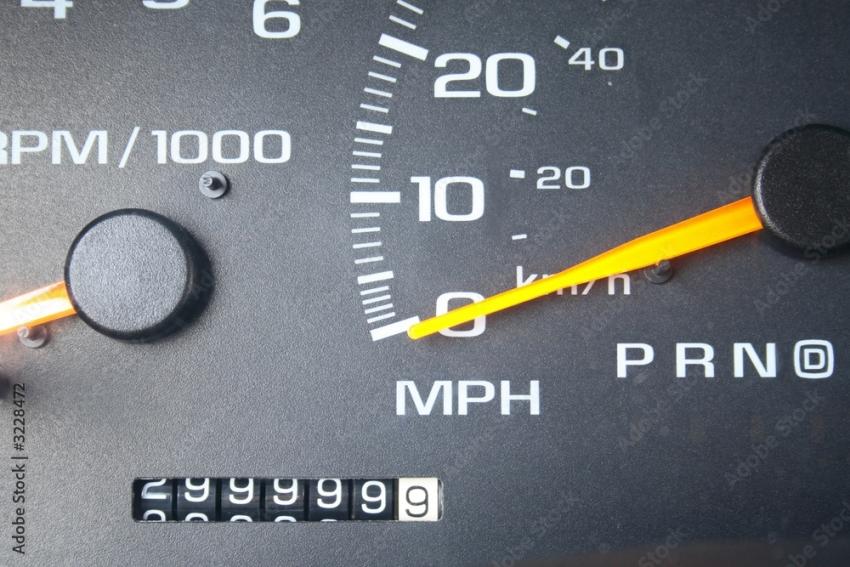
Mileage is the single biggest factor to influence resale value, maintenance schedules, and buyer confidence. Therefore, many readers look for instructions on how to change odometer numbers after a cluster has been changed or the dashboard has been broken. Although a car might require mileage correction for legitimate technical reasons, such changes are strictly governed, and our federal laws directly dictate how an odometer should be reported or amended to guarantee the absence of fraud.
Most new vehicles are all-digital these days, which means mileage data is stored across multiple electronic modules. Older cars had mechanical odometers, which were much easier to tamper with back in they day. Today's computerized systems not only require special equipment, but also software for mileage correction. Independent professionals may carry out mileage recalibration whenever a dashboard, engine control unit, or instrument panel is changed. But any amendment must satisfy legal disclosure obligations, else other Maples-based assets might be charged with fraud.
If the car's original instrument cluster was a suspect and didn't get properly calibrated with mileage dot, the new one may be out of calibration too. In those cases, repair shops will normally make a note of the problem, update the record with service reports, and may place a sticker or label indicating an adjustment has been performed. Always be fully transparent — if an offending party has disguised or illegally changed mileage, then there can be dire consequences.
Odometer fraud is a common but complicated crime in vehicle crimes. The rolling back of mileage in order to resell a vehicle for more money is illegal and can result in fines, lawsuits, and criminal penalties depending on the country. Accurate odometer readings help buyers assess their new vehicle and evaluate the condition, future maintenance obligations, and life-cycle cost associated with it. Even minor discrepancies may lower trust and hamper resale.
Google searches for how to change odometer methods will also bring up DIY procedures that will explain the part diagnostic technology that plays in these professional workshops. Repair shops commonly use programming tools that plug into onboard computer systems to program odometers. Some high-end and electric vehicles have encrypted systems that make it nearly impossible to tamper with them. These protections were put in place by manufacturers to curb fraud and preserve authentic histories of their vehicles.
Proper paperwork has an essential role to play, too – it remains very important after any odometer repair. Service receipts, on the other hand, title disclosures for service completed, and inspection reports filed at dealerships ensure all is in order and abides by transportation regulations. They can help safeguard sellers as well as buyers in future transactions.
As more and more automotive electronics come into play, odometer accuracy is becoming a larger concern in the used vehicle market. By understanding how odometer systems work, buyers and sellers can evaluate whether a mileage adjustment is an appropriate downgrade or simply abuse. Accurate mileage reporting not only helps with value preservation but also builds transparency and trust up and down the supply chain in the automotive industry.
Andrew Richardson is the author of this Article. To know more about buying used car lemon law, please visit our website: allenstewart.com.